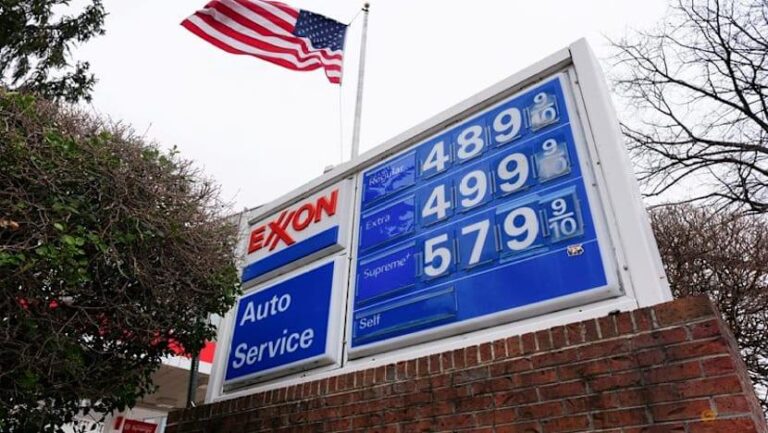
Oil prices rose on Wednesday as escalating conflict in the Middle East renewed concerns about possible disruptions to global energy supplies, according to Reuters.
Brent crude and U.S. West Texas Intermediate (WTI) futures both recorded gains amid continued fighting in Yemen and reports of an attack on a major Saudi Arabian refinery.
Reports of refinery attack add to market concerns
Yemen’s Houthi movement said it had attacked Saudi Arabia’s largest oil refinery with a missile on Tuesday. Saudi authorities had not immediately confirmed the reported strike, Reuters reported.
The refinery’s reported capacity and the possibility of further disruption have added uncertainty to energy markets already affected by regional conflict.
The situation also highlights the importance of distinguishing between claims made by parties to a conflict and incidents independently confirmed by authorities.
Yemen fighting and shipping routes remain in focus
The conflict has raised concerns about the security of energy infrastructure and shipping routes across the region. Any prolonged disruption could affect the movement of oil and other goods through important maritime corridors.
Market participants are also watching diplomatic efforts aimed at reducing tensions between the United States, Israel and Iran. The outcome of negotiations could influence expectations for future oil supplies and prices.
What higher oil prices could mean for consumers
Changes in crude oil prices can affect the cost of producing gasoline, diesel and other petroleum products. However, retail fuel prices do not necessarily move immediately or by the same amount as crude prices.
For American households and businesses, the effect will depend on how long oil prices remain elevated, refinery operations, transportation costs and other market conditions.
Markets remain sensitive to developments
Oil markets are likely to remain sensitive to new information about regional security, energy infrastructure and diplomatic negotiations. The reported refinery attack has not, by itself, established the extent of any actual disruption to Saudi oil production.
World Media Feed will continue to follow developments as more verified information becomes available.
Source: Reuters reporting published October 28, 2026.
About the Author