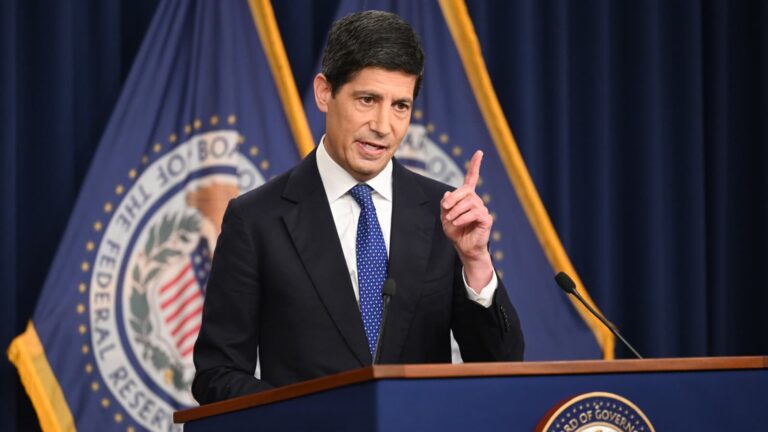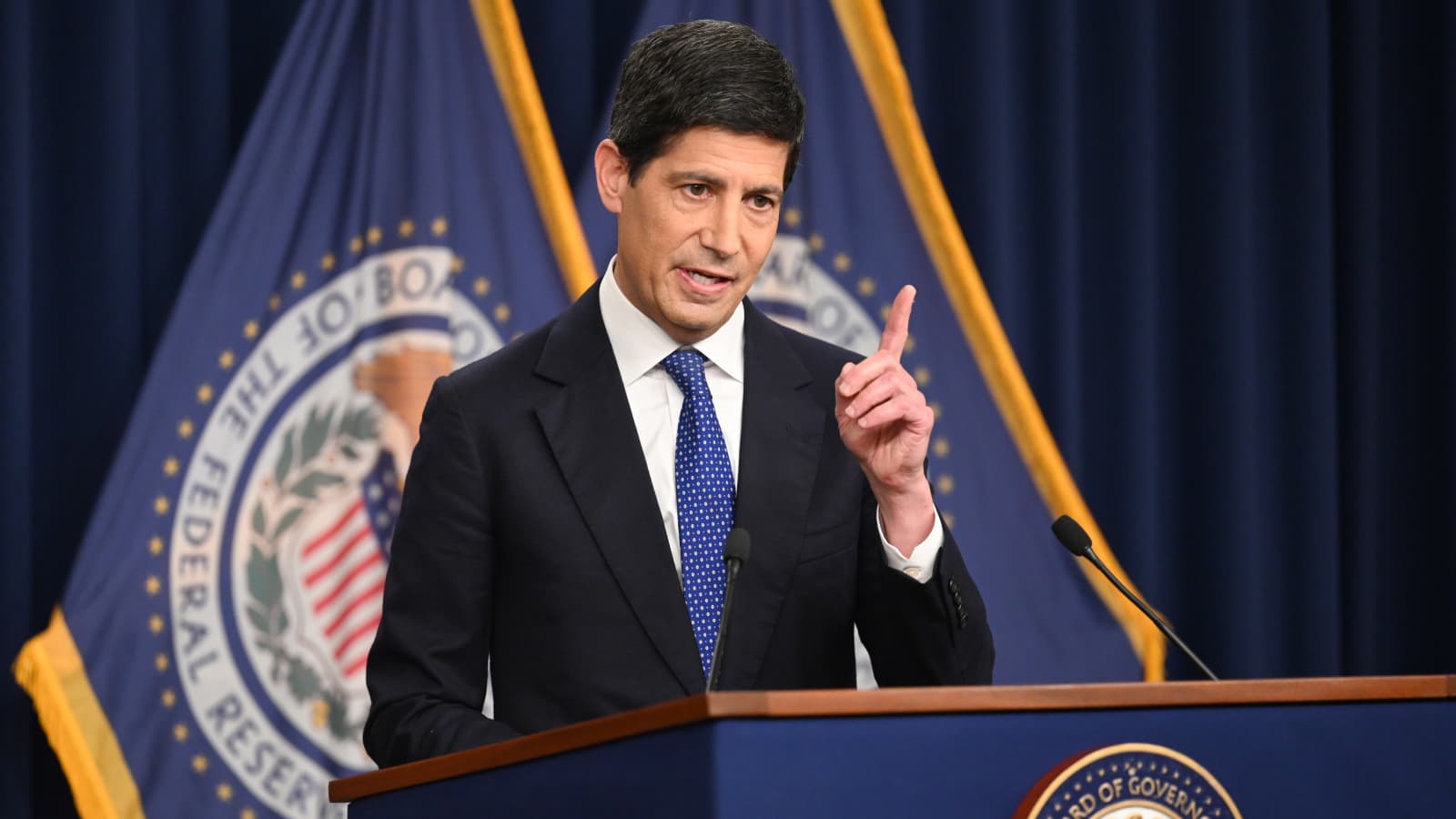
WASHINGTON — The Federal Reserve is meeting on October 27–28 to review the state of the U.S. economy and determine its next monetary policy steps. The decision, scheduled for Wednesday, October 28, could influence borrowing costs and financial conditions across the country.
The Fed’s benchmark interest rate affects the cost of borrowing between banks and can influence rates on credit cards, some auto loans, savings accounts and other financial products. Mortgage rates, however, also depend heavily on longer-term bond yields and broader market conditions.
At its September meeting, the Federal Open Market Committee raised its target range for the federal funds rate by a quarter of a percentage point, bringing it to 3.75%–4.00%. The committee said inflation remained elevated, while economic activity continued to expand.
The October meeting comes as policymakers weigh inflation pressures against economic growth and employment conditions. Investors and consumers will be watching the announcement and the Fed chair’s subsequent press conference for clues about the outlook for future decisions.
For households, the impact will depend on the outcome and on how banks and financial markets respond. People carrying credit-card balances or holding variable-rate loans may be affected differently from those with fixed-rate mortgages or savings accounts.
A change in the benchmark rate does not automatically lead to an immediate change in every consumer interest rate. Lenders set their own rates according to several factors, including market conditions, borrower risk and funding costs.
The Federal Reserve is scheduled to announce its decision on October 28 at 2 p.m. Eastern Time, followed by a press conference at 2:30 p.m.
Sources: Federal Reserve — October 2026 calendar; Federal Reserve — September policy statement.
About the Author