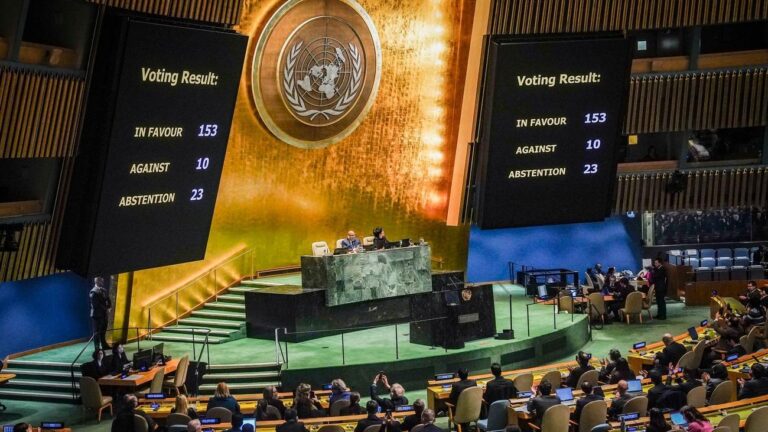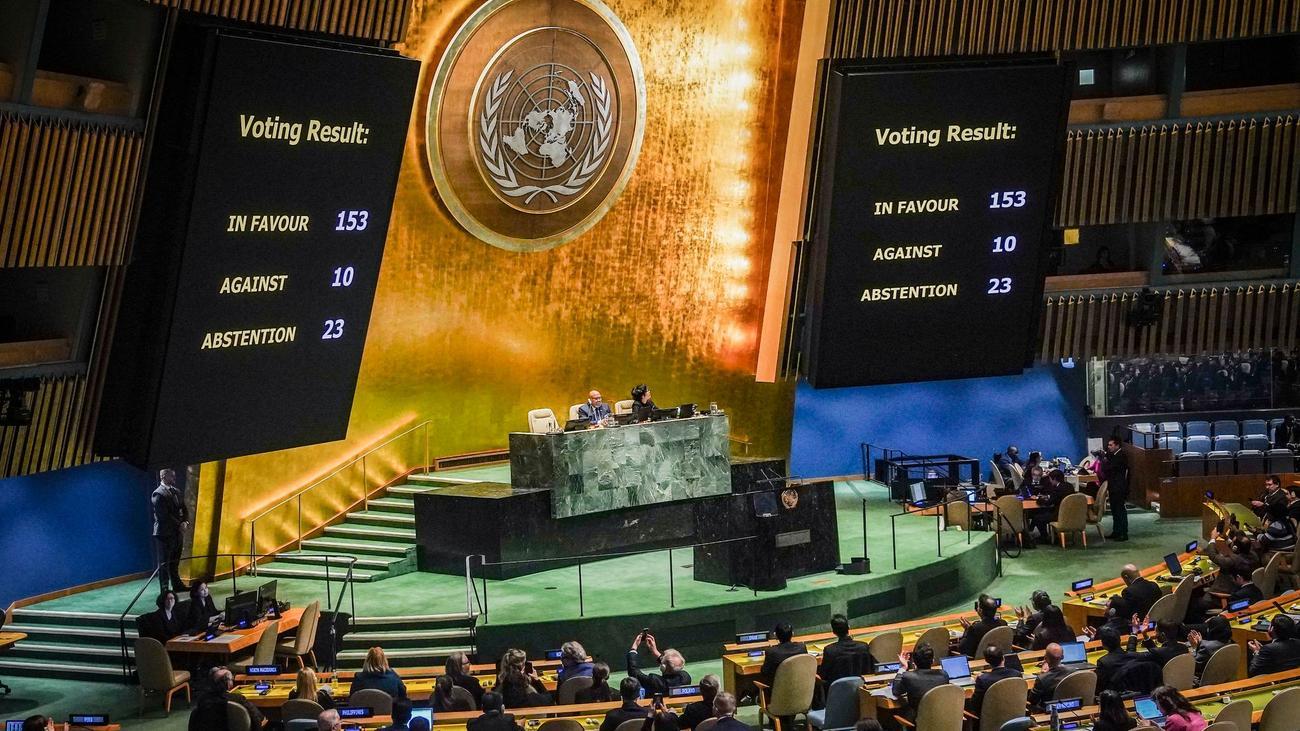
The United Nations General Assembly voted on Wednesday to condemn the longstanding U.S. economic embargo on Cuba, continuing an annual international debate over Washington’s policy toward the Caribbean nation.
The resolution passed by 130 votes to 17, with 25 countries abstaining, according to reporting by The Associated Press. The vote marked a change from last year, when the resolution passed 165–7, with 12 abstentions.
What the vote means
The General Assembly resolution is not legally binding on the United States. However, the annual vote provides an indication of international opinion on the embargo and keeps the issue on the global diplomatic agenda.
The United States has maintained an economic embargo against Cuba for decades. The policy dates to the period following the Cuban Revolution and the nationalization of property belonging to U.S. citizens and companies.
Washington has defended pressure on Cuba’s government, while Havana argues that the embargo contributes to the country’s economic difficulties.
A different voting pattern this year
The vote came amid efforts by the Trump administration to influence how countries approached the resolution. The Associated Press reported that some countries opposed the measure or abstained, including several Western nations that had previously supported it.
The change in voting figures does not, on its own, establish that every country changed its overall policy toward Cuba. Governments may consider diplomatic relations, domestic priorities and their views of the resolution when deciding how to vote.
U.S.–Cuba relations remain strained
Relations between Washington and Havana remain contentious, with economic restrictions and Cuba’s ongoing financial difficulties central to the dispute.
The debate at the United Nations also became more confrontational, as U.S. Ambassador Mike Waltz and Cuban Foreign Minister Bruno Rodríguez exchanged heated remarks during discussions surrounding the resolution, according to AP reporting.
The vote does not end the embargo or require the U.S. government to change its policy.
What happens next?
The resolution adds another chapter to the longstanding diplomatic dispute. Any change to U.S. sanctions or the broader relationship between the two countries would depend on decisions by the U.S. government and any relevant legislative or diplomatic developments.
Source: The Associated Press, October 28, 2026.
Source for verification: Associated Press coverage of the UN vote on the U.S. embargo on Cuba
About the Author