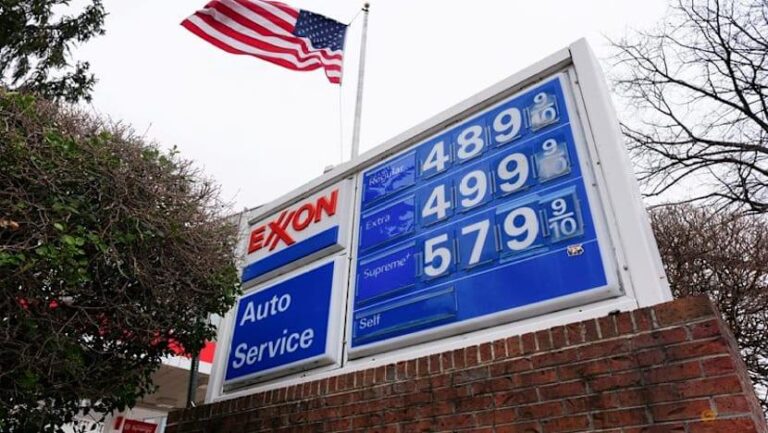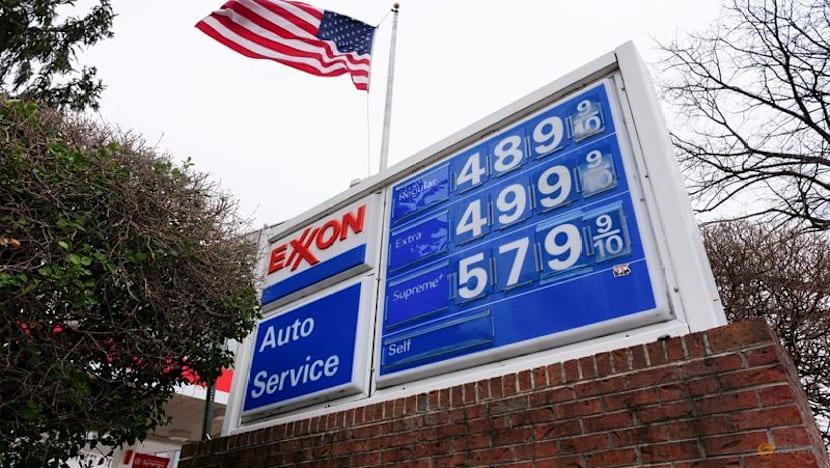
Gasoline prices across the United States edged lower on Wednesday, October 28, offering drivers a modest break at the pump while fuel costs remained elevated compared with a year earlier.
The American Automobile Association (AAA) reported a national average of approximately $4.25 per gallon for regular gasoline. The figure was down about two cents from Tuesday and roughly 23 cents lower than a month earlier, according to AAA data reported by Yahoo Finance.
Despite the recent decline, the national average remained significantly above the level recorded at the same time last year.
How much are drivers paying?
The national average provides a broad picture of fuel costs, but prices vary widely across the country. Taxes, transportation expenses, refinery operations and local competition can all influence what motorists pay.
Some states have prices well below the national average, while others—including California and Hawaii—continue to report considerably higher costs.
Drivers can compare local prices through AAA’s fuel-price tracker before choosing where to fill up.
Why gasoline prices fluctuate
Several factors affect the price of gasoline, including crude oil prices, refinery capacity, seasonal fuel requirements and demand from motorists.
International developments can also influence the market. On Wednesday, Reuters reported that oil prices rose amid renewed concerns about global supplies following a reported attack on a major Saudi Arabian refinery. Saudi authorities had not immediately confirmed the reported strike.
Although crude oil prices influence gasoline costs, movements in the two markets do not always happen at the same time. Retail prices can take time to respond to changes in wholesale costs.
Diesel remains more expensive
Diesel prices remain another concern for American consumers and businesses. AAA data put the national average for diesel at approximately $6.35 per gallon on October 28.
Higher diesel costs can affect trucking, freight transportation, agriculture and other industries that rely on diesel-powered vehicles and equipment. Those expenses can contribute to operating costs for businesses, although the effect on consumer prices varies by industry and market conditions.
What drivers can do
Motorists looking to manage fuel expenses can compare prices at nearby stations, avoid unnecessary trips, keep tires properly inflated and combine errands when practical.
Even small differences in the price per gallon can add up for drivers who commute long distances or fill up frequently.
What happens next?
Gasoline prices will depend on crude oil markets, refinery operations, demand and other supply conditions. While the national average has recently moved lower, it is too early to determine whether that trend will continue.
For now, drivers should monitor local prices rather than assume that the national average reflects what they will pay at the pump.
Sources: AAA Fuel Prices, October 28, 2026; Yahoo Finance, October 28, 2026; Reuters, October 28, 2026.
Yahoo Finance report on October 28 gas prices
About the Author