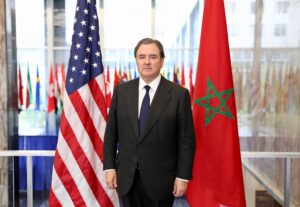
The United States Ambassador to Morocco has sharply criticized the Polisario Front, accusing the group of undermining the United Nations-led political process in the disputed Sahara region and contributing to growing instability through acts of violence and provocation.
The ambassador’s remarks come amid renewed international attention on security conditions in the region and ongoing diplomatic efforts aimed at reaching a political solution to the long-running conflict over the Moroccan Sahara. According to diplomatic observers, the comments reflect increasing concern in Washington over the potential risks posed by escalating tensions.
U.S. officials have repeatedly expressed support for the UN political process and have called for a realistic, lasting, and mutually acceptable solution to the dispute. The ambassador stressed that actions threatening regional stability or disrupting diplomatic negotiations only complicate efforts to achieve peace.
The criticism follows reports of hostile incidents and threats attributed to the Polisario Front in areas east of the security buffer zone. Analysts say such developments have heightened concerns among international partners about security in the wider Sahel and North African regions, where extremist activity and organized trafficking networks remain active.
American officials have also warned that instability in the Sahara region could create opportunities for terrorist organizations and criminal groups operating across the Sahel. Security experts believe maintaining stability is increasingly important as geopolitical tensions and cross-border security challenges continue to rise throughout the region.
The United States remains one of Morocco’s closest strategic partners in North Africa, cooperating closely on security, counterterrorism, and military coordination. Washington has consistently backed UN-led negotiations while supporting initiatives aimed at preserving regional stability.
Morocco, for its part, continues to promote its autonomy proposal as the basis for a political resolution to the dispute, describing it as a realistic and credible framework under Moroccan sovereignty. The plan has gained growing international support in recent years from several countries across Africa, Europe, and the Americas.
The latest diplomatic criticism directed at the Polisario Front is likely to further intensify debate surrounding the future of the UN process and the broader security implications of continued tensions in the Sahara region.
About the Author