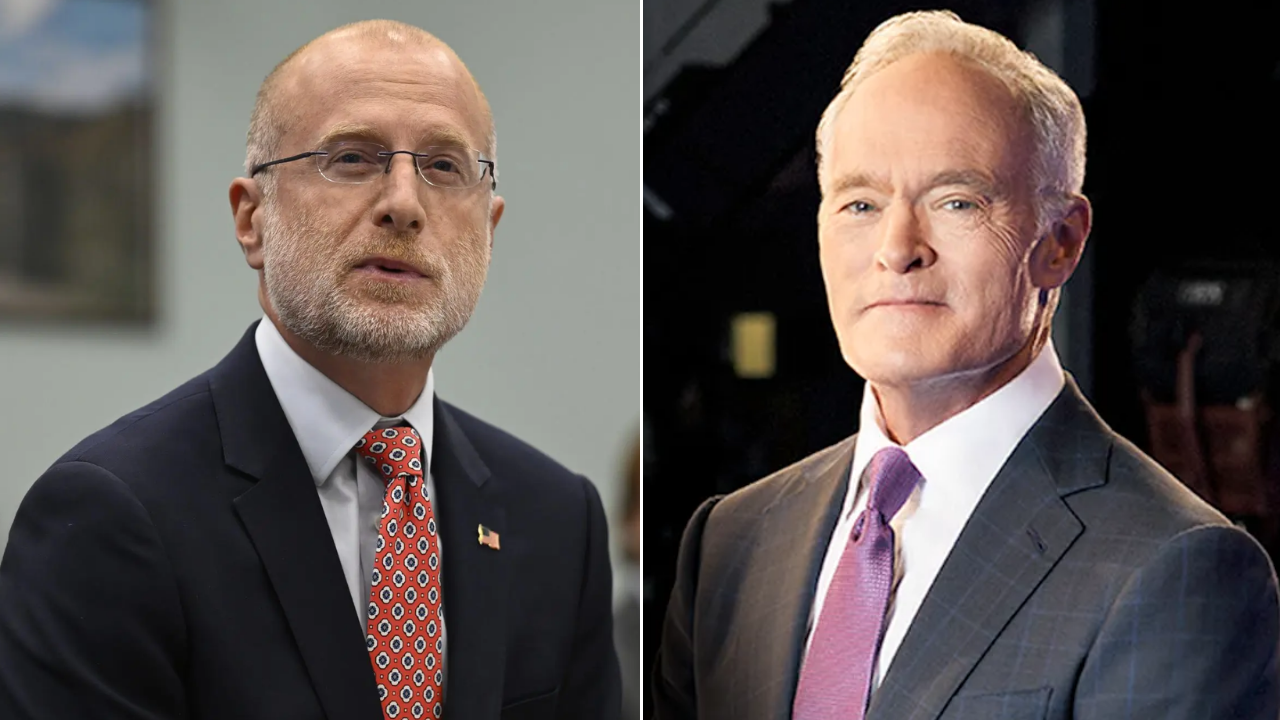
Federal Communications Commission Chairman Brendan Carr is taking aim at veteran journalist Scott Pelley, accusing the former CBS News star of being “completely out of touch” after Pelley said he was surprised by his firing from the network.
Carr’s criticism came after Pelley publicly reflected on his abrupt departure from CBS News, saying he never expected his confrontation with the new leadership team at “60 Minutes” would cost him his job. The longtime correspondent’s remarks sparked a sharp response from the FCC chairman, who argued that Pelley’s behavior would have resulted in dismissal at most workplaces.
“Many legacy media figures have become disconnected from the standards and expectations that apply to everyone else,” Carr said, contending that Pelley’s conduct during a contentious staff meeting would not have been tolerated in a typical professional environment.
The controversy stems from a heated exchange between Pelley and newly appointed “60 Minutes” executive producer Nick Bilton. During the meeting, Pelley reportedly challenged Bilton’s qualifications and openly criticized decisions being made by network leadership regarding the direction of the iconic news program.
CBS executives later characterized the encounter as highly unprofessional, with reports indicating that company leadership viewed Pelley’s actions as confrontational and disruptive. The network subsequently terminated his employment, ending a career that spanned nearly four decades at CBS News.
Pelley has maintained that his comments were motivated by concerns about the future of “60 Minutes” and what he believes are efforts to alter the program’s journalistic standards. He has argued that he was defending the integrity of the broadcast rather than engaging in personal attacks.
The dispute has intensified debate over the changing culture within legacy news organizations. Supporters of Pelley view him as a veteran journalist standing up for editorial independence, while critics argue that professional disagreements must be handled through appropriate workplace channels.
Carr sided firmly with the latter view, suggesting that Pelley’s reaction to his dismissal highlights a broader problem within traditional media institutions. According to the FCC chairman, journalists who demand accountability from others should be held to the same standards in their own workplaces.
The high-profile clash arrives at a turbulent moment for CBS News, which has faced leadership changes, internal disputes, and growing scrutiny over its editorial direction. Pelley’s departure marks the end of one of the most recognizable careers in broadcast journalism, but the debate surrounding his exit appears far from over.
As reactions continue to pour in from across the media and political worlds, the confrontation has become a flashpoint in a larger conversation about newsroom culture, professional conduct, and the future of legacy television journalism.
About the Author