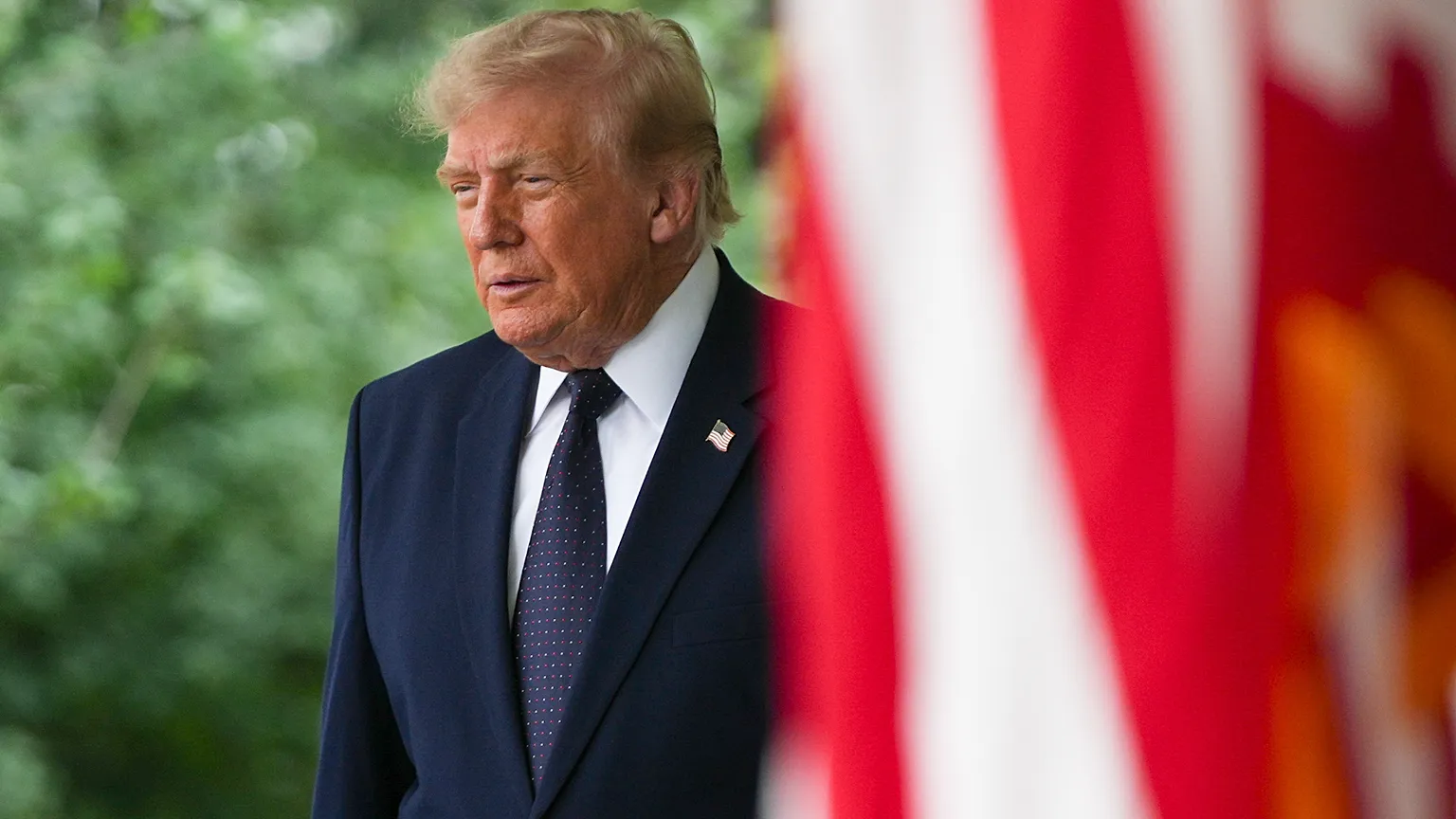
As tensions over defense spending and trade continue to shape relations between the United States and its European allies, President Donald Trump has once again placed Spain in the spotlight by warning of potential economic consequences. His latest remarks have raised a key question: Can a U.S. president actually cut trade with Spain, and what would such a move mean?
Trump’s Warning Targets Spain
Trump criticized Spain over issues ranging from defense commitments to broader economic policies, suggesting that the United States could use trade measures to pressure Madrid into changing its approach.
While the comments generated headlines, experts say the reality is far more complicated than simply halting trade between the two countries.
Can the United States Stop Trading With Spain?
The short answer is no—not unilaterally.
Spain is a member of the European Union (EU), meaning trade policy is negotiated and managed collectively by the European Commission rather than by individual member states.
Any major trade dispute involving Spain would effectively become a dispute between the United States and the entire European Union, one of America’s largest trading partners.
That significantly limits Washington’s ability to target Spain alone without affecting broader U.S.-EU relations.
What Powers Does Trump Have?
Although a president cannot simply end trade with Spain, the administration has several tools at its disposal, including:
- Imposing tariffs on selected imported products.
- Launching trade investigations into specific industries.
- Restricting certain exports or imports for national security reasons.
- Negotiating new trade agreements or revising existing ones.
However, sweeping restrictions would likely face legal challenges, opposition from American businesses, and possible retaliation from the European Union.
Billions in Trade at Stake
The United States and Spain maintain strong economic ties across multiple sectors.
Spain exports products such as:
- Pharmaceuticals
- Olive oil
- Wine
- Machinery
- Automotive components
Meanwhile, American companies sell:
- Aircraft
- Energy products
- Technology
- Agricultural goods
- Industrial equipment
Thousands of jobs on both sides of the Atlantic depend on this commercial relationship, making any disruption costly for businesses and consumers alike.
European Union Could Respond
If Washington were to impose tariffs aimed specifically at Spanish products, Brussels could respond with countermeasures affecting American exports.
The European Union has previously retaliated against U.S. tariffs by targeting products ranging from agricultural goods to motorcycles and consumer products, demonstrating its willingness to answer trade restrictions with measures of its own.
Political Message or Economic Policy?
Many analysts believe Trump’s remarks are intended as political leverage rather than an immediate policy announcement.
Trade threats have frequently been used by Trump as a negotiating tactic, encouraging allies to increase defense spending, revise trade arrangements, or make broader policy concessions.
Whether such statements ultimately translate into concrete action often depends on negotiations between Washington, Brussels, and European governments.
What Comes Next?
For now, there is no indication that the United States is preparing to suspend trade with Spain. Instead, Trump’s comments appear to serve as a warning that economic tools remain part of his broader foreign policy strategy.
Even so, any significant escalation would extend well beyond Spain, potentially affecting the broader U.S.-EU economic partnership and adding uncertainty to global markets already facing geopolitical and trade-related challenges.
As discussions continue, businesses and investors will be watching closely to see whether the rhetoric develops into formal trade action—or remains another high-profile negotiating tactic in an increasingly complex international landscape.
About the Author