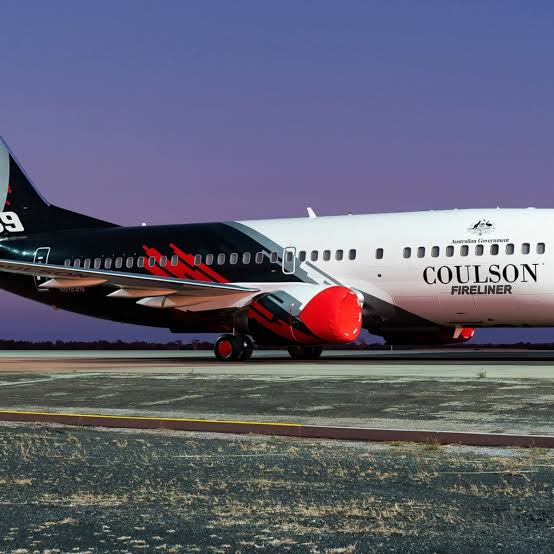
A Boeing 737 crashed into the Arabian Sea after reportedly descending approximately 35,000 feet in just two minutes, triggering an international investigation into one of the most dramatic aviation disasters in recent memory.
The aircraft was operating a scheduled commercial flight when it suddenly lost altitude while cruising at approximately 35,000 feet. According to preliminary flight-tracking information, the jet experienced a rapid and catastrophic descent before disappearing from radar and ultimately crashing into the Arabian Sea.
Rapid Descent Raises Questions
A descent of 35,000 feet in only two minutes is considered an extraordinary event in commercial aviation, suggesting that the aircraft encountered a severe emergency. Aviation experts caution that it is too early to determine the cause, and investigators are examining multiple possibilities, including mechanical failure, structural damage, pilot response, or other unforeseen factors.
Air traffic controllers reportedly lost communication with the flight shortly before the aircraft disappeared from radar.
Massive Search and Rescue Operation
Naval vessels, coast guard units, and rescue helicopters were quickly deployed to the crash site after emergency signals indicated the aircraft had gone down in the Arabian Sea.
Search teams are working to recover wreckage, locate the aircraft’s flight data recorder and cockpit voice recorder, and determine whether there are any survivors. Weather conditions and the depth of the water may complicate recovery efforts.
Authorities have established a coordination center to support rescue operations and assist the families of those on board.
Boeing and Aviation Authorities Respond
Boeing said it is aware of the incident and is prepared to provide technical assistance to investigators as they work to determine what happened.
The investigation is expected to involve the airline, the aircraft manufacturer, aviation regulators, and independent accident investigators. Officials emphasized that no conclusions should be drawn until evidence has been thoroughly analyzed.
Focus on the Black Boxes
Investigators say recovering the aircraft’s black boxes will be critical to understanding the sequence of events. The flight data recorder captures hundreds of aircraft performance parameters, while the cockpit voice recorder preserves communications and sounds from the flight deck during the final moments of the flight.
Together, these devices often provide the most important clues in determining the cause of an aviation accident.
Families Await Answers
As recovery operations continue, families of passengers and crew are gathering at airports and support centers, anxiously awaiting official information.
Airline representatives have established emergency assistance teams and pledged to provide updates as verified information becomes available.
Investigation Expected to Take Months
While preliminary findings may emerge in the coming weeks, aviation experts note that major aircraft accident investigations often take several months before a final report is released.
Authorities have urged the public to avoid speculation until investigators complete their work, emphasizing that determining the exact cause of the crash will require a detailed examination of the wreckage, maintenance records, flight data, weather conditions, and crew communications.
The tragedy has once again highlighted the importance of rigorous aviation safety standards and the comprehensive international process used to investigate major air accidents.
About the Author