By World Media Feed Editorial Team
November 16, 2026
The United States and nine partner countries have signed a new declaration aimed at protecting the technologies, infrastructure and supply chains underpinning artificial intelligence, marking another step in Washington’s efforts to strengthen cooperation with selected international partners amid intensifying global technology competition.
The agreement, known as the San Francisco Declaration on the Secure Foundations of Enduring Prosperity, was signed on November 15 at a Pax Silica Founders Retreat convened by U.S. Under Secretary of State for Economic Affairs Jacob Helberg.
The ten governments named in the declaration are the United States, Australia, India, Israel, Japan, the Republic of Korea, Qatar, Singapore, the United Arab Emirates and the United Kingdom.
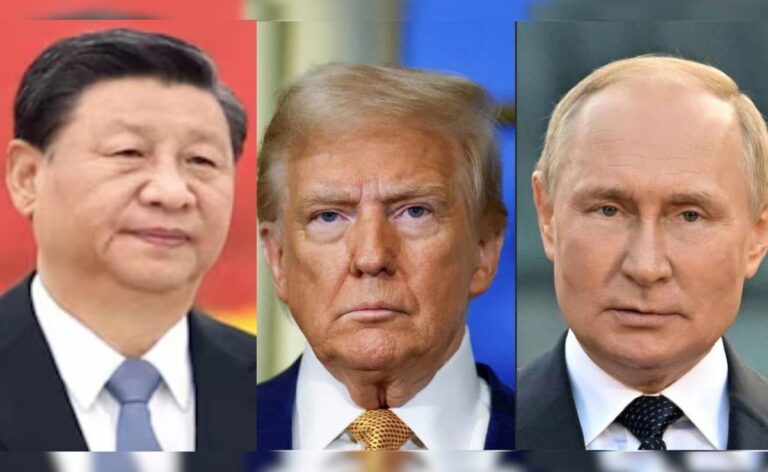
The announcement was followed by a response from Beijing, where China’s Foreign Ministry cautioned against dividing artificial intelligence cooperation along ideological lines or creating exclusive international groupings.
The developments highlight a growing international debate over who will secure, supply and influence the technologies expected to shape the next generation of economic and strategic power.
Protecting the foundations of artificial intelligence
The declaration places economic security at the center of national security, arguing that countries must protect the technologies and infrastructure on which advanced technology industries increasingly depend.
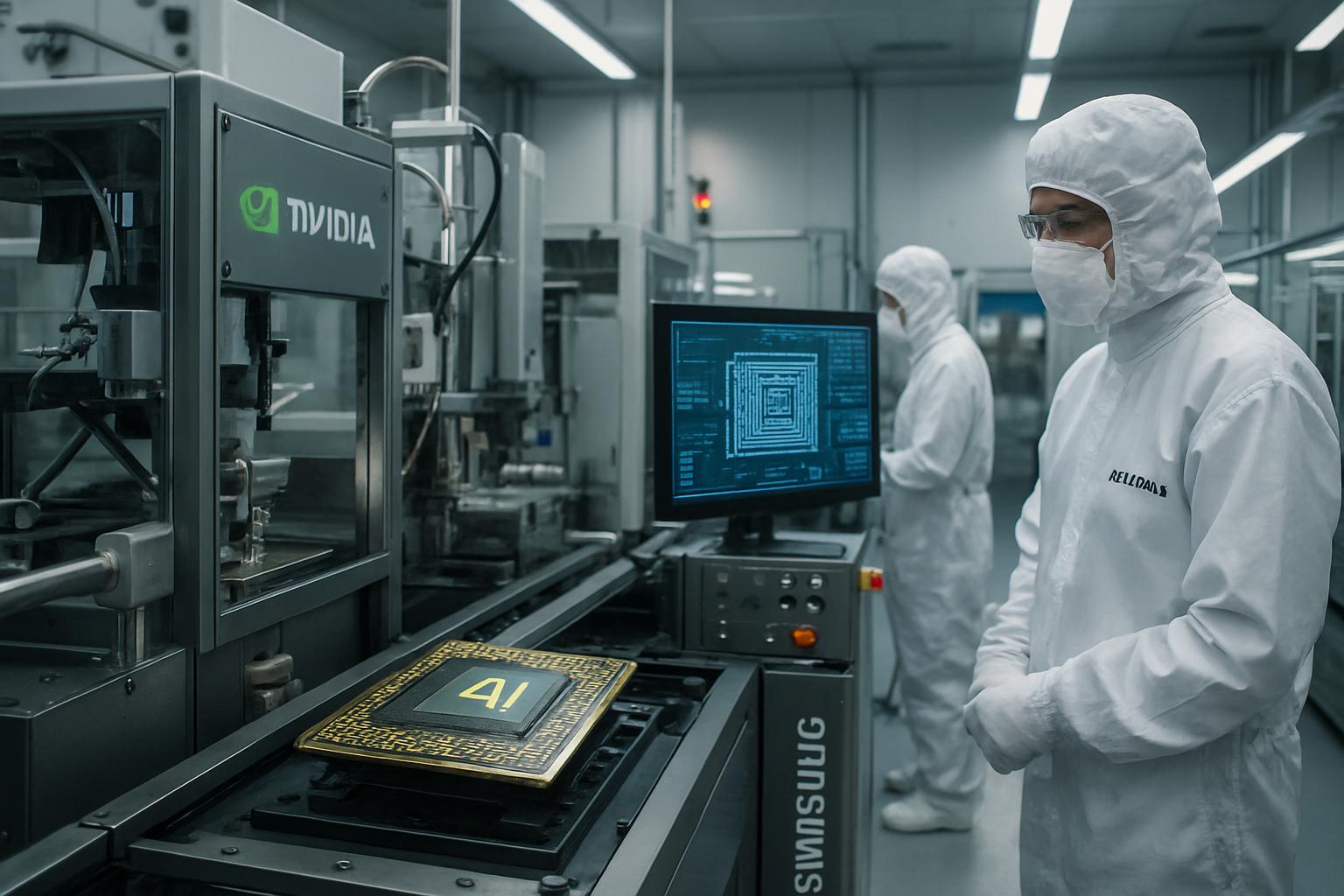
Its scope extends beyond finished AI systems and semiconductor chips. The text identifies sensitive technologies as including goods, software, materials, technical knowledge, components, production inputs and the means of manufacturing them.
It also defines critical infrastructure broadly, covering ports, terminals, transportation systems, communications networks, logistics operations, information and communications technology infrastructure, energy systems and the digital platforms used to coordinate these activities.
This approach reflects the international nature of modern technology production. Semiconductor design, manufacturing equipment, raw materials, energy supplies and transportation networks may be located in different countries, leaving the wider industry exposed to disruptions at multiple points.
The declaration argues that protecting these interconnected systems should be a shared responsibility among participating governments.
Five areas of proposed cooperation
The U.S. State Department said the participating governments intend to establish five working groups to translate the declaration’s principles into practical cooperation.
The proposed areas include pro-innovation policy frameworks, the adoption of advanced technologies in key sectors, cooperation across technology supply chains, the development of safe harbors and supply-chain security hubs, and security and resilience.
The groups are intended to provide a structure for continued coordination among the participating countries.
However, the distinction between the agreement’s stated ambitions and its immediate practical consequences remains important.
The published declaration establishes common principles and definitions, but does not provide a detailed timetable, funding commitments, a specific list of protected technologies or a publicly defined enforcement mechanism. The practical impact will depend on what governments subsequently agree to implement.
The document also uses the term “super intelligence,” abbreviated as SI, for the technology supply chains it addresses. A footnote explains that some participants use the term to refer to artificial intelligence.
Beijing raises concerns over exclusive technology groupings
China addressed the agreement during its Foreign Ministry press conference on November 16, after a Bloomberg reporter asked whether the U.S.-led arrangement could affect an upcoming meeting between the Chinese and American presidents.
Spokesperson Mao Ning said Beijing believes artificial intelligence is a shared asset of humanity and that countries should avoid drawing ideological divisions or forming exclusive groupings.
She called for international cooperation on AI development and governance so that the technology serves the broader public interest.
Her remarks place the declaration within a wider disagreement over how international technology cooperation should be organized.
Washington and its partners describe their approach in terms of economic security, trusted partnerships and supply-chain resilience. Beijing, meanwhile, has emphasized the importance of keeping AI development and governance open to international cooperation rather than dividing countries into competing camps.
The declaration itself does not identify China by name or designate any particular country as a hostile actor. Its language instead refers generally to protecting sensitive technologies from theft, unauthorized transfers, hostile acquisition and undue influence.
Nevertheless, the agreement comes amid growing strategic competition between Washington and Beijing over semiconductors, advanced computing, critical materials and the infrastructure required to develop and deploy increasingly sophisticated AI systems.
The wider significance of Pax Silica
The new declaration represents a further development of Pax Silica, a U.S.-led initiative focused on strengthening cooperation around the supply chains and industrial foundations supporting advanced technology.
Its significance lies in the recognition that leadership in artificial intelligence depends on more than software and computing power. It also requires access to reliable energy, advanced manufacturing capabilities, critical materials, transportation networks and secure digital infrastructure.
For participating governments, closer coordination could help identify vulnerabilities and reduce excessive dependence on supply chains considered strategically sensitive.
For businesses and technology developers, however, the next phase will be particularly important. The working groups’ decisions could eventually influence investment priorities, technology partnerships and the rules governing access to sensitive components and infrastructure.
Those consequences should not be assumed before specific measures are announced.
From declaration to implementation
The San Francisco Declaration establishes a common political and strategic framework among ten governments, but its long-term significance will depend on whether that framework produces concrete results.
The next indicators to watch will include the establishment and composition of the proposed working groups, the identification of technologies and infrastructure considered especially sensitive, and any subsequent national policies or coordinated measures.
The broader question is whether governments can strengthen the security of critical technology supply chains while maintaining opportunities for international innovation and cooperation.
As artificial intelligence becomes increasingly important to economic development, national security and global influence, the decisions made by these governments could help shape the structure of the international technology landscape for years to come.
For now, the declaration signals a shared direction. Its effectiveness will be measured by what the participating countries do next.
Sources and primary documents
- U.S. Department of State — The San Francisco Declaration on the Secure Foundations of Enduring Prosperity, November 15, 2026
- Reuters — U.S., allies team up to protect AI tech and infrastructure amid China rivalry, November 16, 2026
- China’s Ministry of Foreign Affairs — Regular Press Conference, November 16, 2026
About the Author