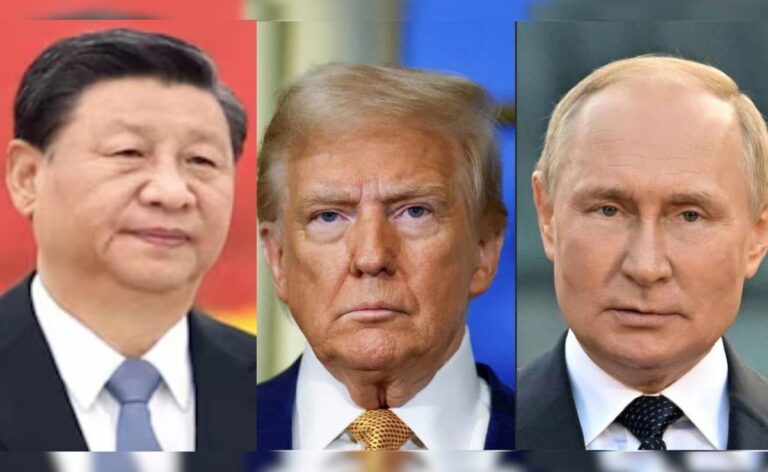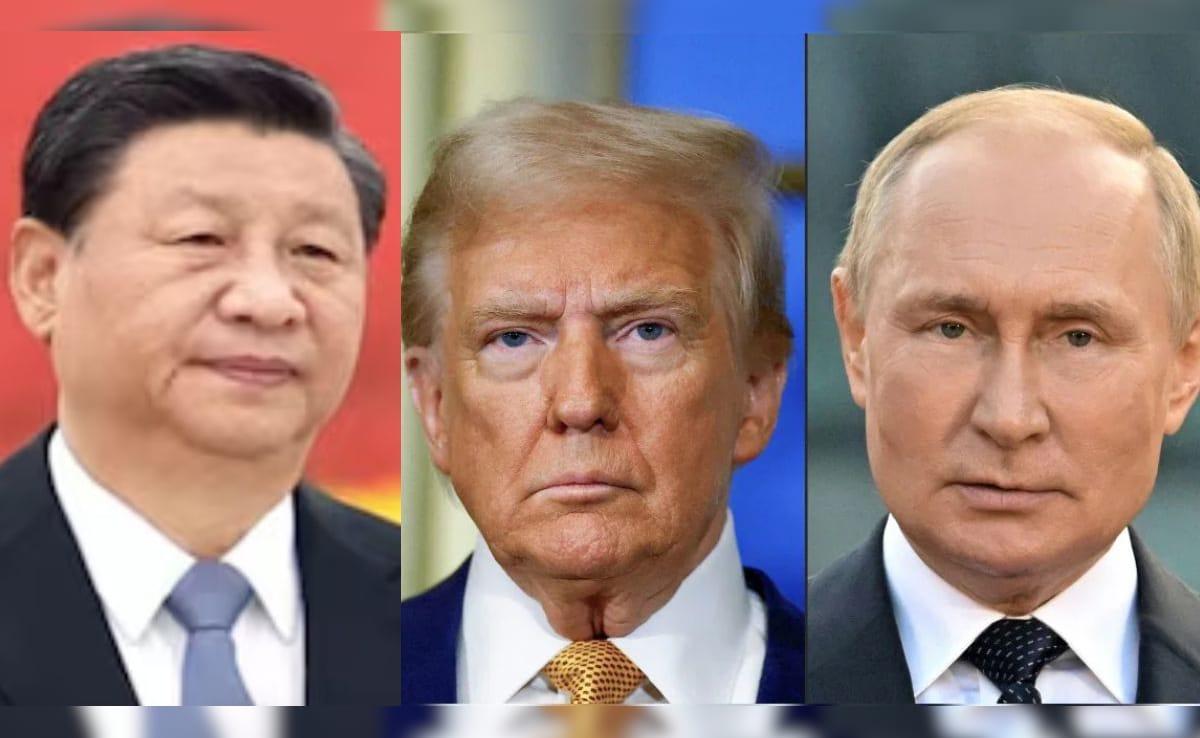
China's Xi Jinping, U.S. President Donald Trump and Russian President Vladimir Putin are scheduled to meet in Shenzhen on November 19, 2026.
November 16, 2026 | By World Media Feed Editorial Team
China has confirmed that President Xi Jinping will host U.S. President Donald Trump and Russian President Vladimir Putin in Shenzhen on November 19, bringing together the leaders of three major global powers for their first face-to-face trilateral summit.
The announcement, issued by China’s Ministry of Foreign Affairs on Monday, establishes a diplomatic meeting with potentially significant implications for international security, nuclear arms control and the future of relations among Washington, Beijing and Moscow.
The meeting will take place alongside the Asia-Pacific Economic Cooperation (APEC) summit. Chinese officials have described the gathering as an opportunity to strengthen communication, manage differences and promote strategic stability among major powers.
However, the significance of the meeting extends beyond its historic format. The three governments approach the discussions with different priorities, and important questions remain about what the summit can realistically accomplish.
Three leaders, three different priorities
For Trump, the meeting presents an opportunity to engage directly with two leaders whose governments are central to several major international disputes.
Washington has indicated that nuclear weapons reduction will be among the subjects Trump wants to address. The U.S. president has also said he intends to raise Russia’s war in Ukraine, although earlier statements from American officials suggested that the conflict might not form part of the trilateral discussions.
Putin enters the meeting with a different strategic interest. Moscow has sought opportunities to discuss the war in Ukraine and its possible resolution, while strengthening Russia’s diplomatic position through engagement with Washington and Beijing.
For Xi, hosting the summit reinforces China’s position as a central diplomatic actor. Beijing has an interest in maintaining stable relations with Washington while preserving its strategic partnership with Moscow.
These different priorities could make agreement difficult, particularly if the discussions move from general diplomatic statements toward specific commitments.
Ukraine raises the question of who gets a seat at the table
One of the most sensitive issues surrounding the summit concerns Ukraine.
A meeting involving Washington, Moscow and Beijing could generate discussion about the future of the conflict, but Ukraine is not represented by its own president at the trilateral gathering.
This raises an important diplomatic question: how far can discussions among major powers influence the future of a country directly involved in a war without that country’s participation?
Ukrainian President Volodymyr Zelenskyy has previously warned against arrangements that could determine Ukraine’s future without Ukrainian involvement.
European governments have also expressed concern about any negotiations that could affect European security without meaningful participation from European countries.
Trump’s latest comments indicate that he intends to raise Ukraine during his discussions with Xi and Putin. That creates uncertainty over the meeting’s eventual agenda and whether the three leaders will address the conflict directly.
Any meaningful peace arrangement would ultimately face the question of Ukraine’s sovereignty, security guarantees and territorial future.
Nuclear arms control presents another major challenge
Nuclear security is another central issue.
The United States and Russia possess the world’s largest nuclear arsenals, while China maintains a smaller but expanding stockpile.
The differences in their nuclear capabilities have complicated previous efforts to bring Beijing into formal arms-control discussions with Washington and Moscow.
China has traditionally argued that the two countries with the largest arsenals should take the lead in reducing their stockpiles before expecting Beijing to accept comparable restrictions.
That position creates a difficult starting point for negotiations.
A trilateral conversation could nevertheless provide an opportunity to establish communication on strategic stability, reduce misunderstandings and explore possible areas of cooperation.
However, the existence of a summit should not be confused with the likelihood of an agreement. No concrete nuclear disarmament commitments have been announced.
The international consequences extend beyond the three capitals
The significance of the Shenzhen meeting is not limited to the United States, China and Russia.
Governments across Europe and Asia have substantial interests in the decisions and diplomatic signals emerging from relations among the three powers.
For European countries, the future of the Ukraine war remains directly connected to regional security and the continent’s relationship with Russia.
For countries across the Asia-Pacific, the summit takes place against a background of strategic competition, trade tensions and disagreements over regional security.
The gathering also raises broader questions about the international system: whether major powers can cooperate on issues affecting global stability, and whether smaller countries will have meaningful influence in discussions that could shape their security and economic futures.
China’s decision to host the meeting gives Beijing an opportunity to present itself as a facilitator of dialogue. Whether that role produces tangible diplomatic progress remains to be seen.
A historic meeting, but no guaranteed breakthrough
The November 19 summit will be significant because of the three leaders involved and the range of international issues surrounding their relationships.
Yet its historical character should not obscure the practical challenges.
The leaders have different political objectives, competing strategic interests and disagreements over the international order. Even reaching a shared understanding on the scope of discussions may prove difficult.
For now, the confirmed development is the meeting itself. Its agenda, potential agreements and lasting consequences remain uncertain.
The central test will not be whether the three presidents can appear together in Shenzhen, but whether their discussions produce measurable progress on issues that affect international security and the stability of the wider world.
World Media Feed will continue monitoring the summit and its implications for international diplomacy.
Editorial source verification
The article is independently structured and written. These sources establish the underlying facts and provide additional context:
- Chinese Ministry of Foreign Affairs – Official summit announcement. mfa.gov.cn
- Associated Press – Trump says he plans to discuss Ukraine. AP News
- Reuters – Analysis of the summit’s diplomatic challenges. Reuters
About the Author