By World Media Feed Editorial Team
A communications failure inside the U.S. air traffic control system brought departing flights across the country to a temporary halt on Friday, November 13, disrupting thousands of journeys and exposing the consequences of relying on aging aviation infrastructure.
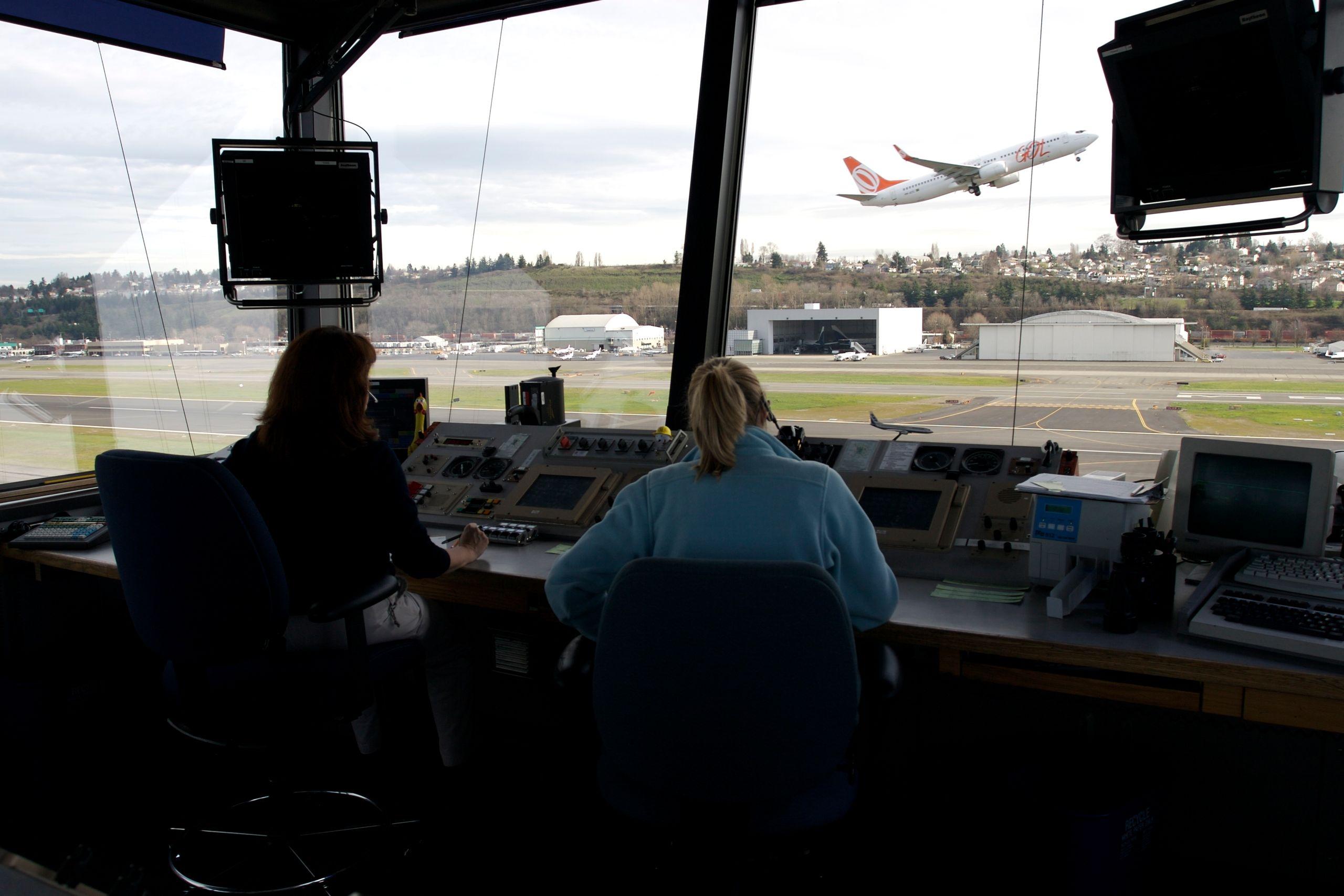
The Federal Aviation Administration issued a nationwide ground stop after communication problems affected multiple Air Route Traffic Control Centers. The agency said technicians were investigating the issue.
The restriction was later lifted, with Transportation Secretary Sean Duffy announcing that U.S. airspace had reopened at 8:15 p.m. Eastern Time. However, the return to normal operations was expected to take time as airlines worked through cancellations, delayed departures and aircraft out of position.
Reuters reported that nearly 10,000 flights had been canceled by late Friday night. The disruption left passengers stranded at airports and created scheduling problems that could continue beyond the initial shutdown.
The incident raises a question that extends beyond one difficult travel day: how resilient is the infrastructure responsible for managing one of the world’s busiest aviation systems?
Duffy attributed the immediate problem to instability in radar and communications systems, saying network switches and routers had become overloaded with data. He also argued that the country needs a broader modernization of its air traffic control technology.
The FAA’s initial public statement was more limited. It confirmed that communication issues had affected multiple control centers but said the information was preliminary and subject to change.
Security concerns also emerged as officials examined the failure. Homeland Security Secretary Markwayne Mullin said there was no evidence at that stage of a cyberattack or a rogue artificial intelligence system. That was an assessment made during the initial investigation, not a final determination about the cause.
The distinction is important. A technical failure should not automatically be described as a cyberattack, just as an early absence of evidence should not be presented as proof that every possible cause has been ruled out.
For passengers, the immediate consequences were practical: missed connections, canceled trips, overnight airport stays and uncertainty about when normal schedules would return.
For the aviation industry, the larger concern is continuity. Air traffic control depends on communications networks, reliable equipment, trained personnel and systems that can withstand unexpected failures. When a critical component becomes unstable, the effects can spread quickly across the national transportation network.
The ground stop has ended, but the questions it raised have not. The investigation must establish precisely what failed, why safeguards did not prevent a nationwide disruption and what changes are necessary to reduce the risk of another shutdown.
Aviation safety depends not only on managing aircraft in the sky, but also on ensuring that the systems guiding them remain dependable on the ground.
About the Author