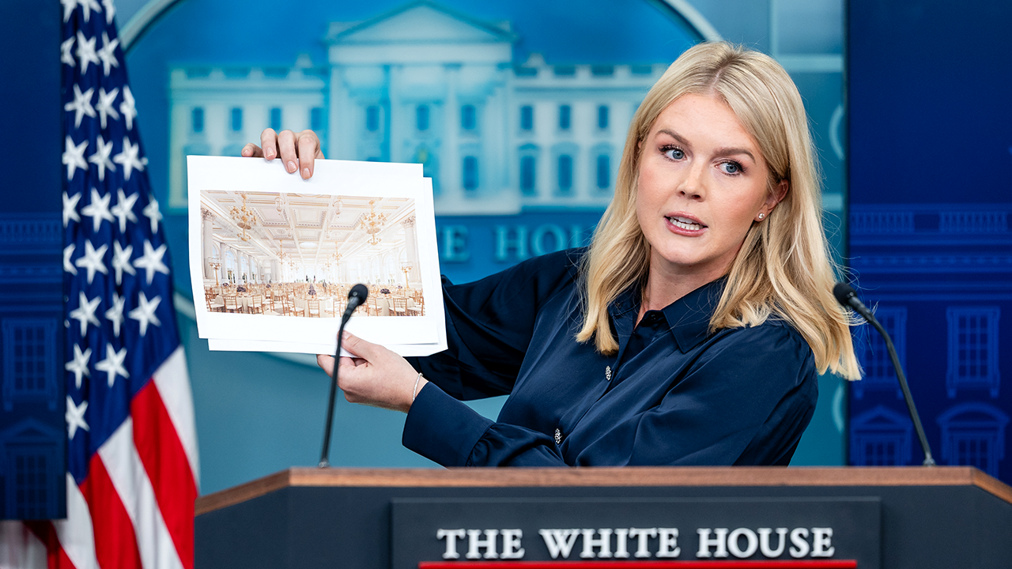
A federal judge has ordered former U.S. President Donald Trump to immediately stop construction of a proposed ballroom project at the White House, escalating an already heated legal dispute over the controversial plan.
The ruling temporarily blocks work on the project after a lawsuit challenged the legality of the construction, arguing that the proposal violated federal preservation laws and bypassed required approvals. Critics of the plan claim that the ballroom project could alter the historic character of the White House complex without proper oversight.
The decision came from a federal judge who sided with preservation groups and legal challengers seeking to halt the construction until the courts fully review the case. The order requires that all work related to the ballroom project stop immediately while the legal battle moves forward.
Attorneys representing the plaintiffs argued that any major structural addition to the White House must undergo strict review under historic preservation regulations. They contend that the proposed ballroom expansion risks damaging the historic integrity of one of the nation’s most iconic buildings.
Supporters of Trump’s plan, however, say the ballroom would modernize the White House’s ability to host large events and state functions. They argue that current facilities are outdated and too small for major diplomatic gatherings, forcing administrations to rely on temporary structures for large receptions.
Trump allies criticized the judge’s ruling, calling it politically motivated and an unnecessary delay to a project they say would benefit future administrations. Legal representatives for Trump indicated they are considering an appeal in an effort to restart construction as soon as possible.
The legal fight adds another chapter to the ongoing political and legal tensions surrounding the former president. Since leaving office, Donald Trump has faced multiple legal challenges related to his political activities, business ventures, and actions taken during and after his presidency.
Meanwhile, preservation advocates say the ruling is a necessary step to ensure the protection of the historic White House complex, which has served as the official residence of U.S. presidents since 1800.
The case is expected to continue in federal court, where judges will ultimately decide whether the ballroom proposal can proceed, be modified, or be permanently blocked. The outcome could set an important precedent for how major changes to historic government buildings are reviewed and approved in the future.
About the Author