Texas is facing one of the deadliest natural disasters in its recent history after catastrophic flooding claimed the lives of more than 80 people, with dozens still missing and entire towns submerged under muddy, debris-filled waters.
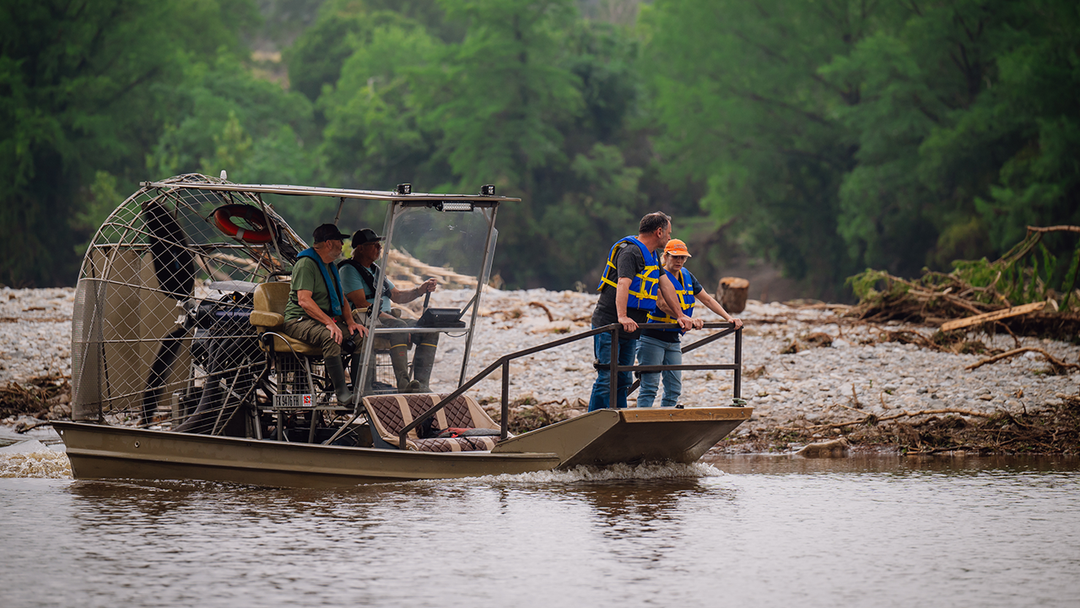
The flooding, triggered by days of relentless rain and overflowing rivers, has devastated communities across central and eastern Texas. Roads have been ripped apart, homes swept away, and neighborhoods transformed into lakes. Rescue teams, including the National Guard, firefighters, and volunteers in boats, continue to comb through the wreckage, hoping to find survivors clinging to rooftops or trapped in vehicles.
Officials say the worst-hit areas include Houston, Austin, and parts of Brazoria and Travis counties, where rainfall exceeded 18 inches in less than 48 hours. Some rivers, like the Brazos and the Colorado, have risen to levels not seen in more than a century.
Lives Washed Away
Among the dead are children, elderly residents, and entire families who couldn’t evacuate in time. In one heartbreaking case, a mother and her three children were found inside a submerged car after trying to flee rising waters in the middle of the night. In another, a retired couple was swept away while attempting to cross a once-passable creek near their home.
Hospitals across the region are overwhelmed, and temporary shelters have been set up in schools, churches, and community centers for the thousands who have been displaced.
Desperate Search Continues
Rescue crews are still searching for dozens of missing people, many of whom were last seen trying to escape flooded homes or driving along highways that turned into rivers within minutes.
Helicopters buzz overhead as teams in kayaks and airboats comb through rooftops, broken bridges, and abandoned neighborhoods. For many families, each hour is a painful wait for news — good or bad.
“This Is Unlike Anything We’ve Seen”
Texas Governor Greg Abbott has declared a state of emergency in more than 30 counties, calling the floods “unprecedented and heartbreaking.” He added, “This disaster isn’t over — not by a long shot.”
Climate experts warn that storms of this magnitude are becoming more frequent and intense, with warmer temperatures increasing rainfall and overwhelming aging infrastructure.
A Long Road to Recovery
With the rains finally slowing, the state now turns to recovery and mourning. The damage is immense — homes destroyed, businesses ruined, crops wiped out, and thousands of families with nowhere to go.
Emergency response teams are working around the clock to restore power, provide clean water, and offer counseling to survivors who have lost everything. Federal aid has been promised, but for many, it will be months — or even years — before any sense of normal returns.
As Texas begins to dry out, the scars left behind by this disaster will remain. But so too will the stories of courage: neighbors rescuing neighbors, strangers forming human chains in rushing water, and communities rallying to help the broken heal.
In the face of so much loss, hope floats — even when everything else has been swept away.
About the Author