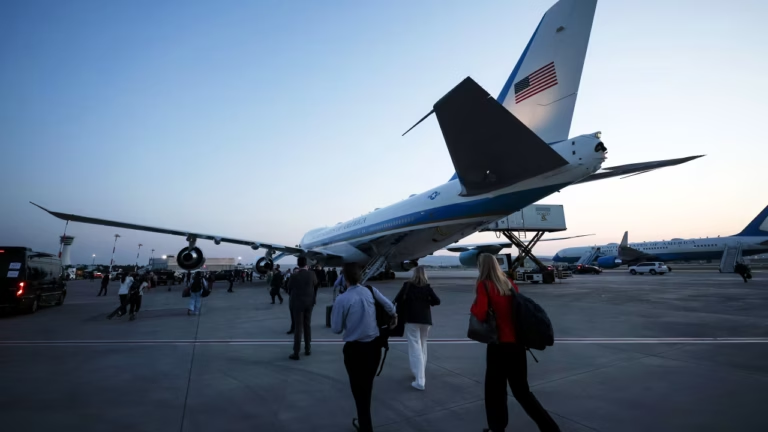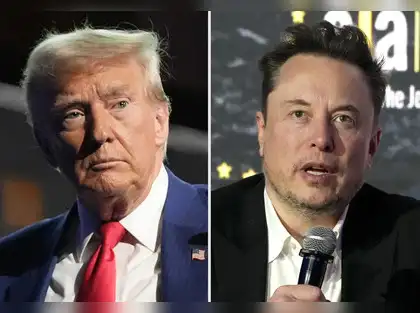
In a dramatic and highly public clash, Elon Musk and Donald Trump have escalated tensions that could reshape the relationship between private industry and the U.S. government—especially in the aerospace sector.
The Spark: Trump Targets Musk’s Government Deals
On June 5, 2025, former President Donald Trump announced that if re-elected, he would cancel government contracts and subsidies for companies owned by Elon Musk, claiming it would “save billions.” This directly targeted SpaceX, which has long been a key partner for NASA and the U.S. military, as well as Tesla, which has benefited from federal clean energy incentives.
Musk’s Reaction: A Threat to Ground Dragon
Musk responded sharply on social media:
“In light of the President’s statement about cancellation of my government contracts, @SpaceX will begin decommissioning its Dragon spacecraft immediately.”
The Dragon capsule is essential for transporting astronauts to and from the International Space Station (ISS). Musk’s announcement shocked the space community and raised concerns about the future of U.S. space operations.
Quick Reversal, Hotter Words
Just hours later, Musk walked back his threat, stating that SpaceX would continue operations as planned and Dragon would not be decommissioned. But the feud didn’t cool off. Instead, Musk ramped up the rhetoric—calling for Trump’s impeachment and making personal attacks, including references to the Epstein case.
Trump’s allies, in turn, floated ideas like using the Defense Production Act against SpaceX and eliminating federal partnerships with Musk’s companies altogether.
What’s at Stake?
This isn’t just a billionaire spat—it could have massive implications:
• NASA Missions: SpaceX holds major contracts, including a deal to help deorbit the ISS by 2030. Disrupting this could delay key U.S. space missions.
• Public-Private Partnerships: The U.S. has relied heavily on private companies like SpaceX for innovation and cost savings. A political crackdown could jeopardize that model.
• Financial Fallout: Tesla stock took a hit following the controversy, and investor confidence is shaky amid political uncertainty.
The Bigger Picture
Musk and Trump were once seen as loosely aligned: Musk served on White House advisory councils early in Trump’s term. But over time, their relationship frayed, especially as Musk began openly criticizing Trump’s policies and political influence.
This conflict marks a turning point. It’s no longer about personality clashes—it’s about power, money, and control over America’s future in technology and space.
Conclusion:
The Musk-Trump feud is more than a headline—it’s a glimpse into the volatile intersection of politics, private enterprise, and national ambition. Whether cooler heads prevail or the conflict deepens, the fallout could shape space exploration, tech regulation, and the 2024 election landscape.
About the Author