ATLANTA, October 31, 2026 — Foreign ministers from the world’s largest economies have concluded two days of discussions in Atlanta without reaching consensus on several major international issues, highlighting the growing divisions shaping global diplomacy.
The meeting, held under the United States’ G20 presidency, brought together representatives of the world’s leading economies at a time of heightened tensions over international conflicts, trade policies and security.
Instead of issuing a joint communique, the G20 is expected to rely on a chair’s statement summarizing the discussions, reflecting the difficulty of finding common ground among members.
Ukraine War Deepens Divisions
Russia’s war in Ukraine was among the most contentious issues during the meeting.
The presence of Russian Foreign Minister Sergey Lavrov in Atlanta created diplomatic tension, particularly among European representatives who objected to appearing alongside him in the traditional G20 group photograph.
The disagreement became visible when the planned group photo was canceled after European diplomats raised objections.
The episode reflected the continuing divide between Russia and Western governments over the war and the future of European security.
Iran and Middle East Tensions
The conflict involving Iran and the United States and Israel also weighed heavily on the discussions.
Ministers addressed concerns about regional security, energy supplies and freedom of navigation through strategically important waterways, including the Strait of Hormuz and the Red Sea.
The situation has raised concerns among countries dependent on international shipping and energy markets, particularly as instability in the region can affect fuel prices and global trade.
Trade and Competition Add to the Challenges
Beyond military conflicts, ministers faced disagreements over trade policy, tariffs and China’s influence in strategic sectors.
The United States has sought to place greater emphasis on economic cooperation, secure supply chains and access to critical minerals.
However, differences among major economies have made it difficult to establish a unified position on these priorities.
The meeting also exposed disagreements over the participation of South Africa, which Washington did not invite to the ministerial gathering despite its membership in the G20.
A Challenge for Global Diplomacy
The absence of a joint statement does not mean that discussions between G20 members have ended or that cooperation is impossible.
The chair’s statement is expected to summarize the discussions and areas where countries may still be able to work together.
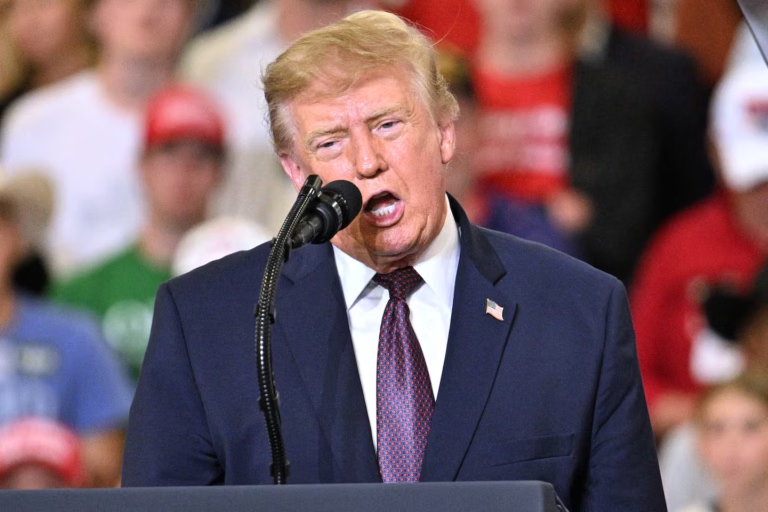
U.S. Secretary of State Marco Rubio described the discussions as productive, while emphasizing the importance of cooperation on issues where countries share common interests.
The Atlanta meeting also serves as preparation for the G20 leaders’ summit scheduled to take place in Florida on December 14 and 15, 2026.
What the Meeting Reveals
The outcome in Atlanta illustrates the challenges facing international institutions when major powers disagree over conflicts, economic priorities and security.
The G20 remains an important forum for dialogue among the world’s largest economies, but the lack of a joint communique demonstrates how difficult it can be to translate diplomatic discussions into a shared political position.
As preparations continue for the leaders’ summit in December, the question will be whether governments can move beyond their differences and find practical areas of cooperation.
Sources:
- Associated Press — G20 foreign ministers in Atlanta end talks without consensus
- Reuters — Rubio to host Quad meeting and wrap up G20 gathering, October 31, 2026
- Al Jazeera — G20 drops group photo as Europeans refuse to stand with Lavrov
World Media Feed distinguishes between the absence of a joint communique and the continuation of diplomatic dialogue. This report reflects information available on October 31, 2026.
About the Author