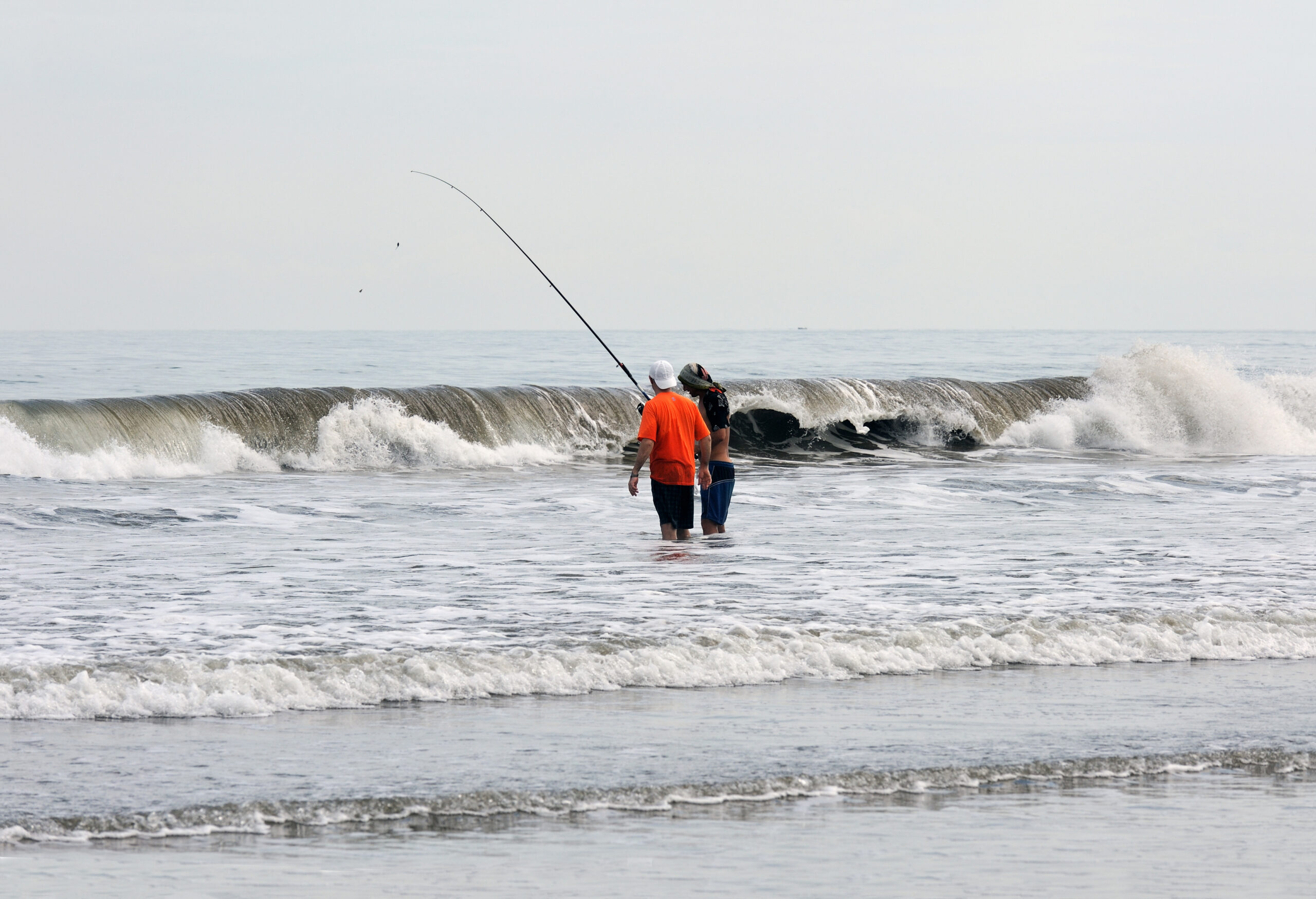
Fishermen at Murciélago beach in Manta, Ecuador. Illustrative image; not the vessel or crew named in the lawsuit. Photo: Cayambe, CC BY-SA 3.0. https://creativecommons.org/licenses/by-sa/3.0/
A lawsuit challenges a U.S. maritime operation
A group of Ecuadorian fishermen has filed a lawsuit against the Trump administration, alleging that U.S. forces attacked their fishing vessel in the eastern Pacific after wrongly identifying it as a drug-smuggling boat. The allegations are now before a federal court and have not been established as fact.
The lawsuit says drones struck the vessel La Negra Francesca Duarte II off Ecuador on March 17. According to the complaint, the boat caught fire, two crew members suffered serious burns and the fishermen were detained for roughly 24 hours. The men allege they were restrained, hooded and denied adequate food and water while in U.S. custody.
What the fishermen say happened
The plaintiffs say Ecuadorian authorities inspected the vessel and crew for about three hours and cleared them of illicit activity. They allege that the U.S. operation nevertheless treated them as suspected traffickers. The case was filed in federal court in Pittsburgh under U.S. admiralty law, which can allow claims involving injuries and unlawful conduct on the high seas.
The administration has defended its campaign against vessels it says are linked to designated narcoterrorist groups. The Pentagon declined to comment on the pending litigation, according to the Associated Press. The government’s response in court will be important to understanding how it identifies targets and what evidence it relies on.
Questions about transparency and accountability
The lawsuit is part of a growing legal challenge to U.S. military operations against suspected drug boats in the region. It raises questions about the evidence used to classify vessels, the safeguards applied before force is used and the legal rights of people who survive an attack.
The allegations should be distinguished from findings by a court. The complaint presents the fishermen’s account; the government has not yet had its claims tested through a full judicial process. The case may provide a public forum for examining evidence that has so far been difficult for outsiders to assess.
Source: Associated Press report on the lawsuit.
About the Author