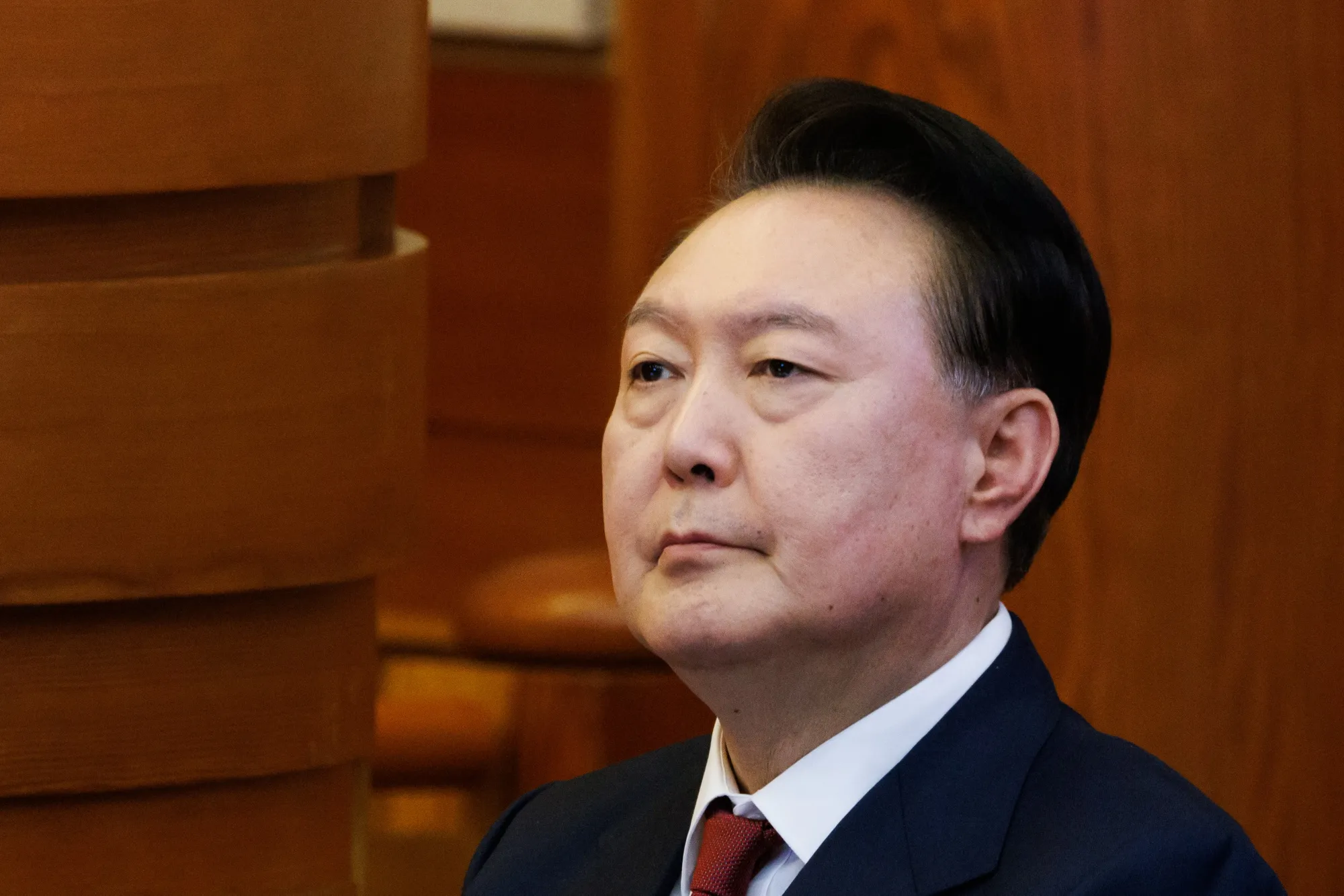
Former South Korean President Yoon Suk Yeol has been sentenced to 30 years in prison after a court found him guilty of charges related to alleged unauthorized drone operations involving North Korea and accusations that he attempted to exploit regional tensions for political purposes.
Prosecutors argued that Yoon authorized or supported a series of covert actions involving drone flights near North Korean territory in an effort to provoke a security crisis on the Korean Peninsula. According to the prosecution, the operations were designed to heighten public fears and create a national security atmosphere that could justify expanded executive powers.
During the trial, prosecutors alleged that Yoon sought to use escalating tensions with North Korea as part of a broader strategy to strengthen his political position and advance what they described as an authoritarian consolidation of power. The prosecution maintained that the actions risked destabilizing regional security and endangered diplomatic efforts aimed at reducing tensions between the two Koreas.
The court ruled that the former president had abused his authority and acted in ways that threatened national interests, ultimately handing down one of the harshest sentences ever imposed on a former South Korean leader.
Yoon’s legal team strongly denied the allegations throughout the proceedings, arguing that any security-related actions taken during his administration were intended solely to protect South Korea from potential threats. Defense attorneys described the verdict as politically motivated and vowed to pursue appeals through higher courts.
The case has generated intense debate across South Korea, dividing public opinion and reigniting discussions about the limits of presidential power, national security policy, and accountability for former government officials.
Political analysts say the ruling marks a significant moment in South Korea’s democratic history, demonstrating the country’s willingness to prosecute former leaders accused of misconduct while also highlighting deep political divisions within the nation.
Relations between North and South Korea have remained volatile in recent years, with military exercises, missile tests, and cross-border incidents frequently raising concerns among regional and international observers. The allegations surrounding the drone operations added another layer of controversy to an already tense security environment.
Supporters of the ruling argue that no leader should be above the law, while critics contend that the prosecution risks turning national security decisions into political battlegrounds. The case is expected to remain at the center of public debate as appeals move forward.
The sentencing represents a dramatic fall for Yoon, who once held the country’s highest office and played a prominent role in shaping South Korea’s domestic and foreign policy. As the legal process continues, the case is likely to have lasting implications for the nation’s political landscape and its approach to executive accountability.
About the Author