The fate of Iran’s national football team at the upcoming 2026 FIFA World Cup has been clarified after months of uncertainty, with FIFA President Gianni Infantino confirming that Iran will participate in the tournament despite ongoing geopolitical tensions.
Speculation had grown in recent weeks about whether Iran national football team would take part in the competition, especially amid escalating conflict involving Iran and the United States. Because the 2026 tournament will be co-hosted by United States, Canada, and Mexico, concerns were raised about security, travel restrictions, and political tensions surrounding the Iranian squad.
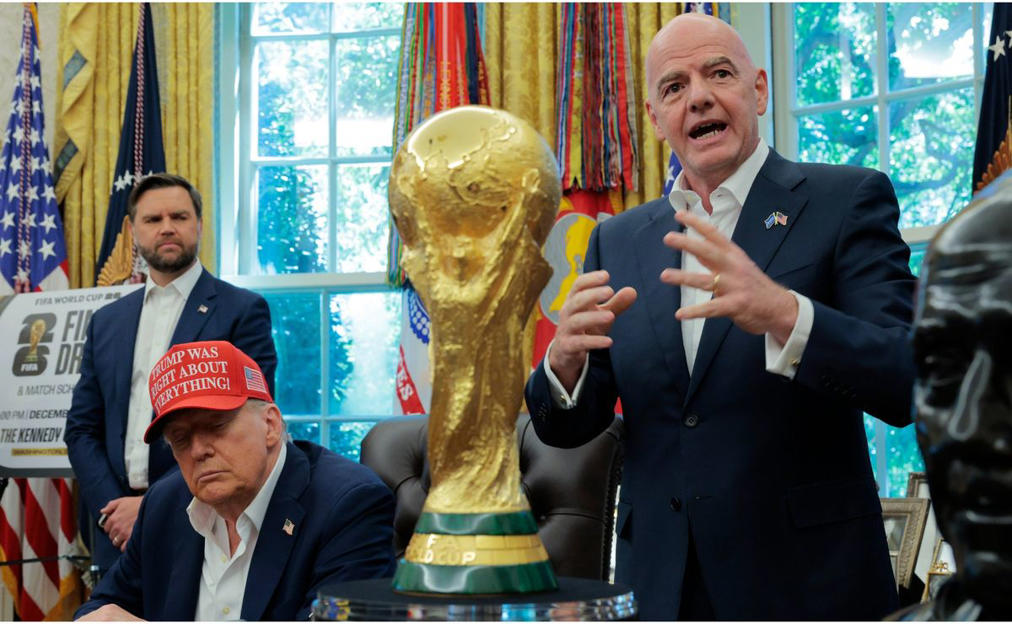
However, Infantino made FIFA’s position clear, stating that Iran will “for sure” compete in the World Cup. The FIFA chief emphasized that football must remain separate from political conflicts and that the Iranian team has legitimately qualified for the tournament.
“Iran will be at the World Cup,” Infantino said, adding that the governing body’s goal is to ensure the team participates under the best possible conditions despite the complicated global situation.
Iran had previously explored the possibility of relocating its group-stage matches to Mexico because of security concerns related to playing in the United States. FIFA rejected that proposal, insisting that all teams compete according to the official schedule and draw.
According to tournament plans, Iran is expected to play its group-stage matches in U.S. cities, including Los Angeles and Seattle. The team is scheduled to face opponents such as Belgium, Egypt, and New Zealand in what promises to be one of the most closely watched groups of the tournament.
The confirmation brings relief to fans and players alike, as Iran was among the first Asian teams to secure qualification for the 2026 tournament. Despite repeated appearances at the World Cup in recent decades, the team has yet to advance beyond the group stage and will be hoping to make history this time around.
Infantino also expressed hope that by the time the tournament begins, global tensions will ease, allowing the World Cup to serve as a platform for unity rather than division.
“The role of football is to build bridges,” he said, reinforcing FIFA’s belief that the sport can bring nations together even in times of conflict.
With the world’s biggest sporting event just months away, the confirmation ensures that Iran will take its place on football’s grandest stage—demonstrating once again that the World Cup often transcends politics and remains a celebration of the global game.
About the Author