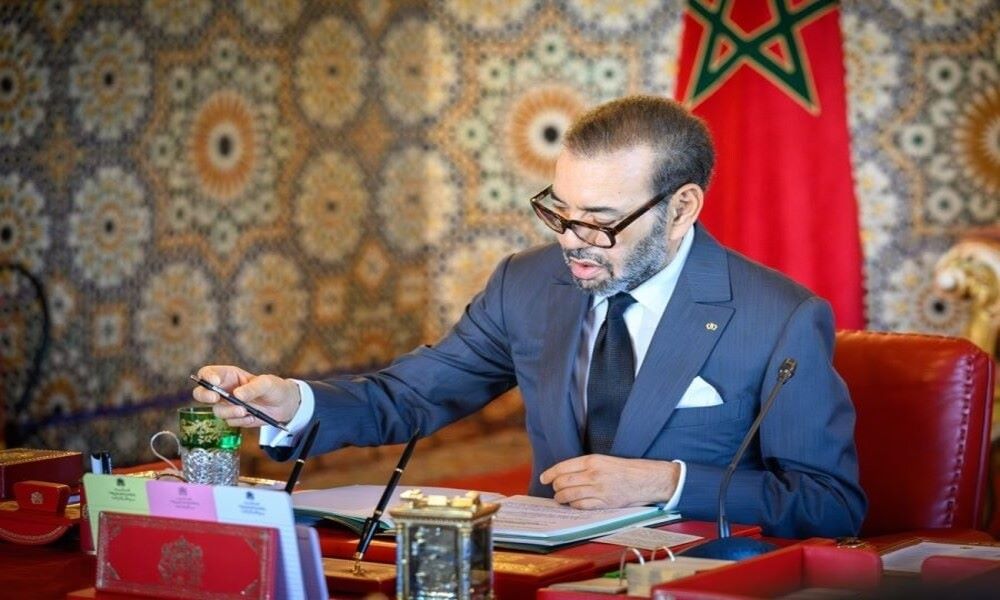
Relations between the Kingdom of Morocco and the Republic of Senegal were once again highlighted by a gesture of clemency and fraternity after King Mohammed VI granted a Royal Pardon to Senegalese supporters detained following incidents linked to the 2025–2026 Africa Cup of Nations (AFCON).
In an official statement released by the Royal Cabinet in Rabat on May 23, 2026, Moroccan authorities announced that the pardon was granted “for humanitarian considerations” on the occasion of Eid al-Adha. The Senegalese supporters had been convicted for offenses committed during the AFCON tournament hosted by Morocco from December 21, 2025, to January 18, 2026.
The Royal Cabinet emphasized that the decision reflects the “deep ties of friendship, fraternity and cooperation” uniting Morocco and Senegal. The statement also described the pardon as an illustration of Morocco’s enduring national values, including clemency, generosity, tolerance, and benevolence.
Senegalese President Bassirou Diomaye Faye welcomed the decision in a public message, expressing his sincere gratitude to King Mohammed VI. He confirmed that the Senegalese nationals detained in Morocco had been freed and would soon reunite with their families thanks to the Royal Grace granted during Eid al-Kébir.
The Senegalese president praised the humanitarian and compassionate nature of the gesture, stressing that Senegal and Morocco share a longstanding and historic brotherhood that continues to be strengthened through such acts of solidarity. He also extended Eid greetings to King Mohammed VI and the Moroccan people.
According to the Royal Cabinet communiqué, King Mohammed VI also conveyed his sincere wishes to President Bassirou Diomaye Faye, Senegalese authorities, and the Senegalese people on the occasion of Eid al-Adha. The statement concluded with prayers for the continued prosperity of the Moroccan monarch, Crown Prince Moulay El Hassan, Prince Moulay Rachid, and the entire Royal Family.
The Royal Pardon comes at a symbolic moment during the Islamic celebration of Eid al-Adha, reinforcing diplomatic goodwill between the two West African nations and underscoring the importance both countries place on cooperation, reconciliation, and regional solidarity.
About the Author