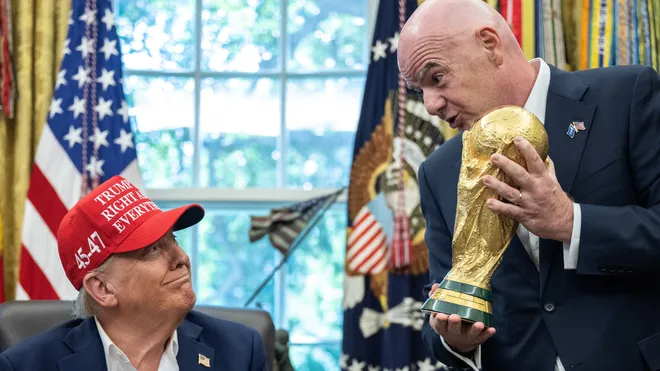
The administration of U.S. President Donald Trump has announced a temporary suspension of visa bond requirements for certain international visitors planning to attend the 2026 FIFA World Cup 2026, easing travel costs for thousands of football fans and participants.
Under the new policy, eligible travelers from Algeria, Cape Verde, Ivory Coast, Senegal, and Tunisia who purchased official FIFA World Cup tickets before April 15 and registered through the FIFA PASS system will no longer be required to pay the standard visa bond for B1/B2 visitor visas.
The visa bond program, which typically ranges between $5,000 and $15,000, was originally designed to discourage visa overstays by requiring travelers from certain countries to provide a refundable financial guarantee before entering the United States. The temporary waiver is expected to reduce the financial burden on qualifying visitors while maintaining normal visa security checks and screening procedures.
The exemption will apply not only to football supporters but also to athletes, coaches, team staff, technical personnel, and immediate family members traveling for tournament-related activities. U.S. officials stated that all applicants must still complete the regular visa process, including interviews, background checks, and approval requirements.
The move comes as preparations intensify for the 2026 FIFA World Cup, which will be jointly hosted by the United States, Canada, and Mexico. The tournament is scheduled to begin on June 11 and is expected to attract millions of international visitors, making it one of the largest sporting events in history.
Supporters of the decision argue that easing visa-related financial restrictions could improve attendance and strengthen cultural exchange during the tournament. Tourism and business groups have also welcomed the policy, saying it may encourage greater participation from African nations with strong football fan bases.
However, immigration analysts note that the administration continues to balance security concerns with efforts to facilitate international travel ahead of the global event. Officials emphasized that the waiver is limited to verified travelers connected directly to the World Cup and does not represent a broader change in U.S. immigration policy.
The announcement highlights the growing logistical and diplomatic preparations surrounding the 2026 tournament, which is expected to generate billions of dollars in economic activity across host cities throughout North America.
About the Author