From Nairobi to Bamako, The Hague to Washington, a sweeping international consensus is forming around Morocco’s autonomy plan for the Sahara. A look at who has joined — and what it means.
Analysis Desk
Foreign Affairs & Geopolitics
April 10, 2026
In diplomacy, momentum is everything. And right now, the momentum on the Western Sahara dispute belongs unmistakably to Morocco. In the space of just a few days in early April 2026, Kenya formally endorsed Rabat’s autonomy plan and pledged to work with other like-minded states to advance its implementation — while Mali made an even more dramatic move, withdrawing its recognition of the Algeria-backed Sahrawi Republic entirely. These developments did not happen in isolation. They are the latest chapters in a years-long diplomatic campaign that has quietly, then loudly, reshaped the international conversation around one of Africa’s oldest territorial conflicts.
The question is no longer whether Morocco’s autonomy framework will gain traction. It already has. The question is how far, how fast, and what it means for the states — chiefly Algeria — that have staked their foreign policy credibility on the opposing side.
100+ States supporting Morocco’s sovereignty or autonomy plan
28+ Countries with consulates in Western Sahara
2797 UN Security Council resolution anchoring the autonomy plan, Oct. 2025
Kenya: endorsement with an action plan
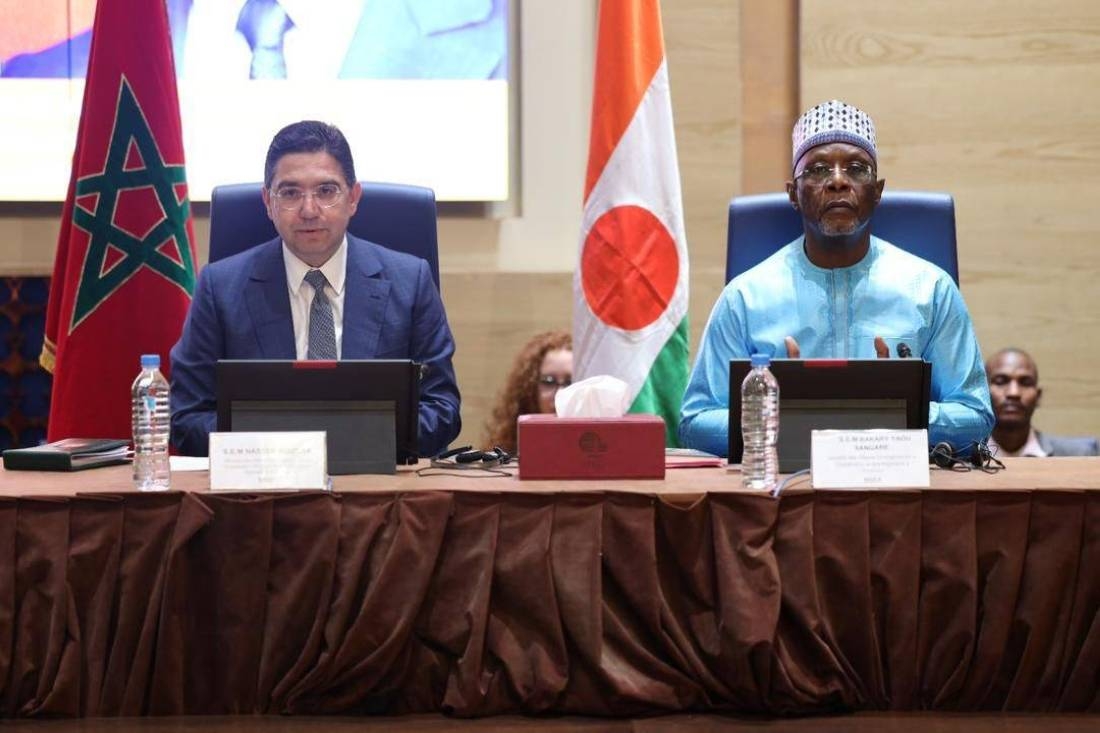
The first session of the Morocco-Kenya Joint Cooperation Commission, co-chaired in Nairobi on April 9 by Foreign Minister Nasser Bourita and Kenyan Prime Cabinet Secretary Musalia Mudavadi, produced a joint communiqué that went beyond diplomatic pleasantries. Kenya did not simply express sympathy for Morocco’s position — it described the autonomy plan as “the only credible and realistic solution” to the Sahara dispute and committed to cooperating with like-minded states to promote its implementation.
That phrase — cooperate with like-minded states — is significant. It signals that Kenya intends to act as an active advocate within African and international forums, not merely a passive supporter. Kenya also welcomed UN Security Council Resolution 2797, which enshrines the autonomy plan as the basis for any future negotiated settlement, and endorsed the efforts of the Secretary-General’s Personal Envoy, Staffan de Mistura.
“Autonomy under Moroccan sovereignty is the only credible and realistic solution to resolve the dispute over the Sahara.”— Kenya-Morocco Joint Communiqué, Nairobi, April 9, 2026
Mali: the most dramatic pivot yet
If Kenya’s endorsement was emphatic, Mali’s move was seismic. On April 10, Foreign Minister Abdoulaye Diop announced in Bamako — following talks with Bourita, who was visiting on the direct instructions of King Mohammed VI — that Mali was withdrawing its recognition of the SADR altogether. In a formal government declaration, Bamako described the autonomy plan as “the only serious and credible basis” for resolving the dispute and called genuine autonomy under Moroccan sovereignty “the most realistic solution.”
The backdrop to Mali’s decision is equally telling. Relations between Bamako and Algiers have been severely strained since Mali accused Algeria of deliberately shooting down a Malian military drone near the border. That dispute, combined with Mali’s deepening ties with Morocco through the Atlantic access initiative — which gives landlocked Sahelian states access to Moroccan ports — has pushed Bamako firmly into Morocco’s diplomatic orbit.
“The Republic of Mali has decided to withdraw its recognition of the Sahrawi Arab Democratic Republic.”— Malian Government Declaration, Bamako, April 10, 2026
Europe joins the chorus
The African realignment does not stand alone. On April 7, Dutch Foreign Minister Tom Berendsen visited Rabat and declared that “the Netherlands considers that genuine autonomy under Moroccan sovereignty is the most feasible solution” — a position the Netherlands said it would act on at both the diplomatic and economic levels. The Netherlands further pledged support for Resolution 2797 and the UN envoy’s mediation efforts.
The Dutch declaration is part of a broader European trend. France and Spain — Morocco’s two largest European partners — have both previously aligned with the autonomy framework. The United States recognised Moroccan sovereignty over the Sahara in 2020, a position that has held through successive administrations. Together, these alignments mean that the five permanent members of the UN Security Council are, to varying degrees, either explicitly supportive of or non-opposed to Morocco’s framework.
What is driving the shift?
Several forces are converging to accelerate international alignment behind Morocco. First, the UN Security Council’s adoption of Resolution 2797 in October 2025 institutionalised the autonomy plan as the reference point for any future negotiations — giving states political cover to align with Rabat without appearing to prejudge the outcome. Second, Morocco’s active economic and connectivity diplomacy — particularly the Atlantic access corridor for landlocked Sahelian states and robust infrastructure investment across the continent — has created tangible incentives for African governments to deepen ties with Rabat. Third, the Polisario Front’s principal backer, Algeria, is facing mounting diplomatic isolation of its own, compounded by its deteriorating relations with Mali, Niger, and Burkina Faso.
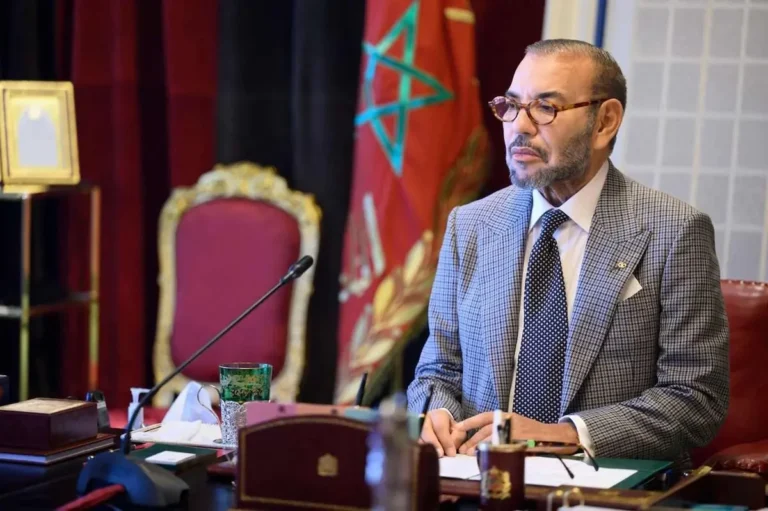
Underpinning all of this is what Kenya’s communiqué called the “momentum driven by His Majesty King Mohammed VI” — a reference to Morocco’s sustained, high-level personal diplomacy conducted directly through royal visits, royal instructions to senior ministers, and the King’s active engagement on African multilateral platforms. That personal investment has made Morocco one of the most diplomatically active states on the continent.
What comes next?
The accumulating endorsements place growing pressure on the UN-led political process. Staffan de Mistura, the Secretary-General’s Personal Envoy, has been tasked with facilitating negotiations between Morocco and the Polisario Front on the basis of the autonomy plan. With a widening coalition of states now explicitly backing that framework — and actively pledging to promote its implementation — the diplomatic environment surrounding any future talks has shifted considerably in Morocco’s favour.
For Algeria and the (Polisario) Front, the challenge is now not merely to resist Morocco’s proposals at the negotiating table, but to arrest a diplomatic tide that shows little sign of turning. The world, it appears, is making up its mind — and it is doing so in Morocco’s favor.
About the Author