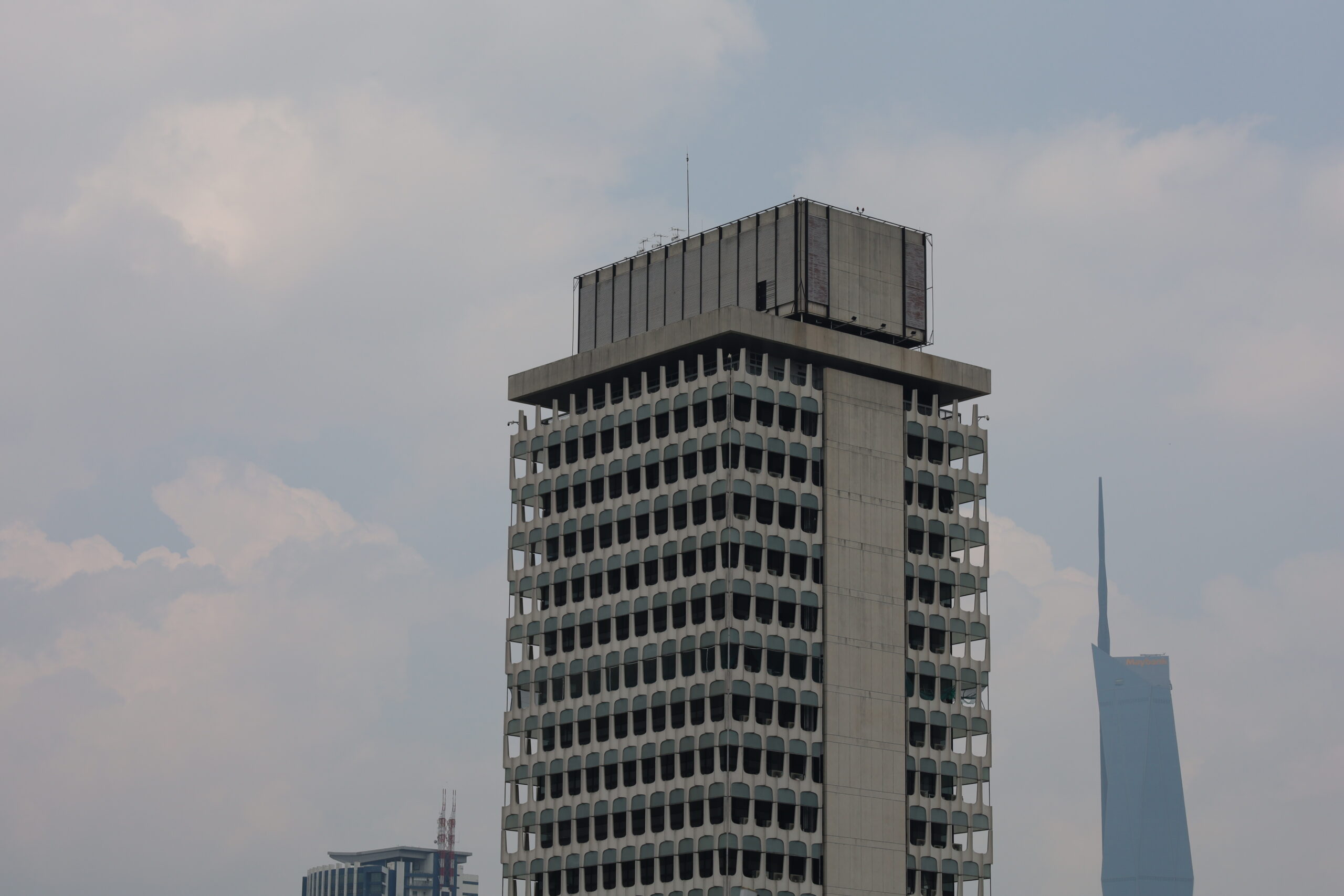
The Malaysian Houses of Parliament in Kuala Lumpur. File photograph, not an image of the repatriation operation. Photo: WAqil (WMYS) / Wikimedia Commons, CC BY-SA 4.0.
Malaysia plans to return 6,803 Myanmar nationals in December, Prime Minister Anwar Ibrahim told Parliament, outlining a new phase of repatriations that comes just days after the International Court of Justice issued a landmark genocide ruling concerning Myanmar’s Rohingya minority.
The plan involves two routes: 1,500 people are scheduled to travel aboard three Myanmar naval vessels on December 6 and 7, while another 5,303 are expected to be flown back during the month at the expense of Myanmar’s authorities. Malaysian state broadcaster RTM reported the figures from Anwar’s parliamentary remarks.
Malaysia says returns will be safe and dignified
Anwar said Myanmar had provided assurances that returnees would not be harmed and described the process as a way to address Malaysia’s growing refugee-hosting burden. He said 10,476 Myanmar nationals had already been returned this year, including 1,476 people transported by a Myanmar naval vessel in September.
Malaysia’s government has said it secured guarantees of a “safe and dignified return.” But the announced group is described by officials as Myanmar nationals; the available announcement does not establish how many are Rohingya, Chin or members of other communities. It would therefore be inaccurate to describe all 6,803 people as Rohingya refugees.
UNHCR has warned that Myanmar remains unsafe
The UN refugee agency has previously said it was not involved in Malaysia’s earlier repatriation plan and warned that continuing armed conflict and violence in Myanmar prevent returns from being considered safe, dignified and sustainable. UNHCR has stressed that any refugee return must be voluntary, based on an informed decision and conducted with protection safeguards.
That warning is particularly significant because the International Court of Justice on November 19 delivered its judgment in The Gambia’s genocide case against Myanmar. Malaysia’s Foreign Ministry said on November 22 that it respected the ruling and would continue engaging international and regional stakeholders on the Rohingya crisis.
A difficult test after the ICJ judgment
The ICJ judgment places renewed international attention on the conditions Rohingya people would face if returned to Myanmar. The country remains affected by armed conflict following the 2021 military coup, while Rohingya communities have faced longstanding restrictions on movement, citizenship and basic rights.
Malaysia says it has monitored earlier returnees and received assurances from Myanmar. Rights and humanitarian concerns, however, cannot be resolved by diplomatic assurances alone. Independent access to returnees, individual protection assessments and the ability to seek asylum remain central questions.
What remains unclear
- How many of the 6,803 people scheduled for December return are Rohingya or members of other vulnerable communities.
- Whether each person will receive an independent assessment and a genuinely voluntary choice.
- Whether UNHCR or other independent humanitarian organizations will have access to monitor the process and the returnees after arrival.
- What safeguards will be in place if people face detention, persecution or renewed displacement after returning.
The issue is not simply whether Malaysia can arrange the transport of thousands of people. It is whether the returns meet international protection standards in a country where conflict and the persecution of vulnerable communities remain unresolved. The December operation will test the credibility of the assurances given by both governments.
Sources
Radio Televisyen Malaysia (RTM), November 24, 2026; Reuters, November 24, 2026; Malaysia Ministry of Foreign Affairs, November 22, 2026; Channel NewsAsia on UNHCR’s earlier warning; Reuters on the ICJ judgment, November 19, 2026.
By World Media Feed Editorial Team
About the Author