November 17, 2026 | By World Media Feed Editorial Team
An outbreak growing beyond the original epicenter
An Ebola outbreak in the eastern Democratic Republic of Congo remains uncontrolled six months after authorities declared it, with infections and deaths continuing to rise despite an international response that has mobilized billions of dollars in pledged assistance.
According to reporting published by Reuters on November 17, the outbreak has recorded more than 11,000 infections and 5,500 deaths, making it the second-largest recorded Ebola outbreak in the world.
The outbreak is being driven by the rare Bundibugyo virus, a strain distinct from the Zaire Ebola virus responsible for several of the world’s most prominent Ebola epidemics.
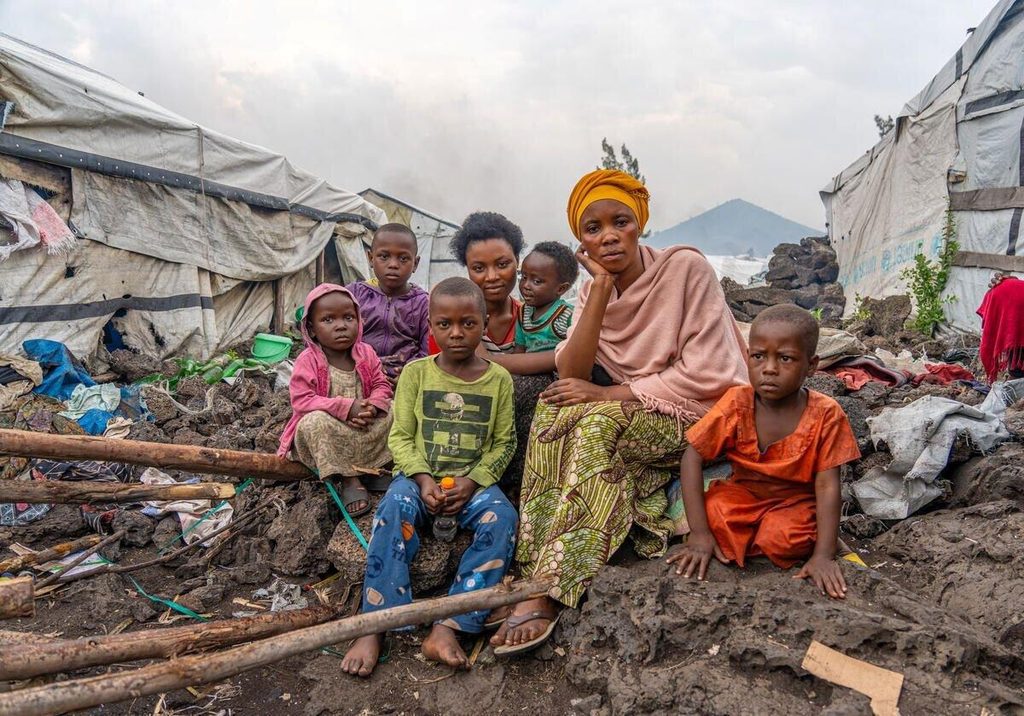
The scale of the current emergency is particularly concerning because the virus is spreading in an environment already affected by armed conflict, population displacement and weak health infrastructure.
A public-health emergency inside a conflict zone
The outbreak began in eastern Congo, where insecurity has repeatedly disrupted efforts to track infections and provide medical care.
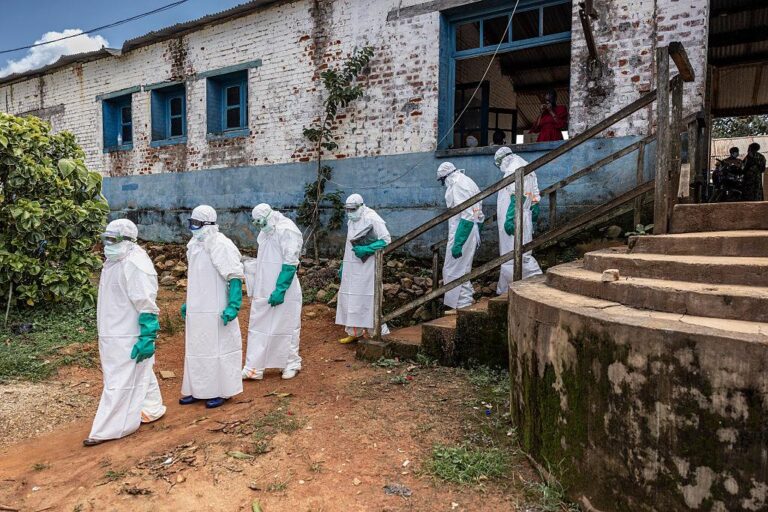
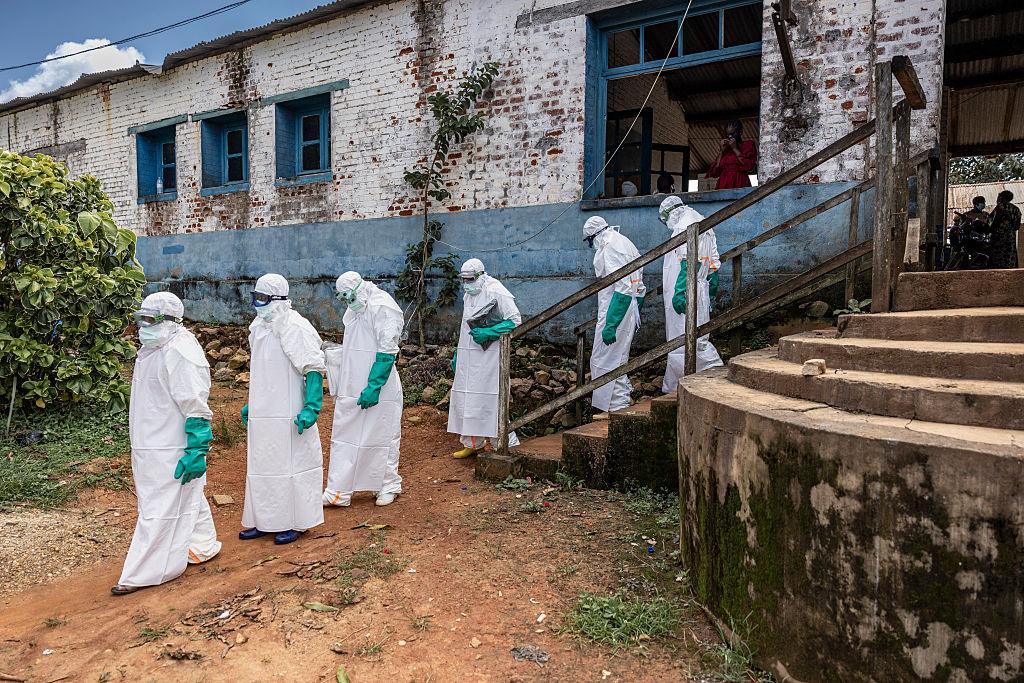
Health workers and surveillance teams have faced attacks, while shortages of supplies have complicated efforts to expand treatment and monitoring beyond the initial outbreak area.
Some healthcare workers have also gone on strike over working conditions and unpaid salaries.
These conditions create a dangerous combination.
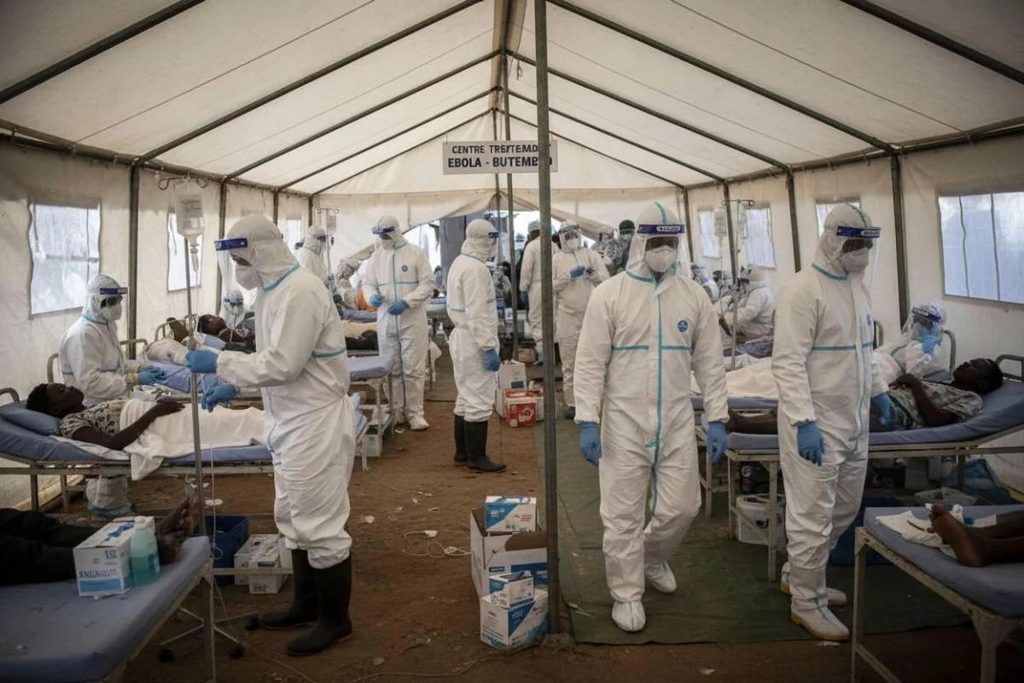
Ebola outbreaks depend heavily on rapid identification of cases, isolation, contact tracing and infection-control measures. When healthcare workers cannot safely reach affected communities or when surveillance systems break down, transmission becomes substantially harder to contain.
The problem is even more difficult in communities already displaced by conflict.
People moving between communities can unknowingly carry the virus into areas where health authorities have limited information about their movements or contacts.
The outbreak has surpassed Congo’s previous record
The scale of the current emergency is already greater than Congo’s previous major Ebola outbreak.
The country’s 2018–2020 outbreak recorded 3,481 cases and 2,299 deaths.
The current outbreak has now exceeded those figures by a wide margin.
Reuters reported that the rate of new infections and deaths is also significantly higher than during the first six months of the 2014–2016 West African Ebola epidemic, which ultimately produced more than 28,600 infections and approximately 11,000 deaths.
The comparison is important, but it also requires caution.
The West African epidemic involved multiple countries and became a large regional emergency. Congo’s current outbreak remains concentrated primarily in the eastern part of the country.
Nevertheless, the continuing growth demonstrates the difficulty of controlling Ebola when health systems are under sustained pressure.
Funding has been pledged—but much of it has not arrived
The international response faces another obstacle: financing.
According to Reuters, approximately $2.9 billion has been pledged toward the response, but less than half of that amount has actually been disbursed.
The gap between pledged assistance and money reaching response operations can have direct consequences.
Medical centers require supplies, protective equipment and trained personnel. Surveillance teams require transportation and communications systems. Vaccination campaigns require logistics and cold-chain infrastructure.
Without timely financing, international pledges may exist on paper without producing the capacity needed on the ground.
For communities facing an expanding outbreak, the difference between a financial commitment and money available for immediate operations can be critical.
Insecurity is making the medical response harder
Eastern Congo has long been affected by armed groups and instability.
The region’s security problems do not simply exist alongside the Ebola outbreak—they directly interfere with the response.
Medical teams need access to communities to identify cases and trace contacts.
Surveillance teams need to investigate suspected infections.
Patients need safe transportation to treatment facilities.
When roads become inaccessible or health workers face security threats, each of those activities becomes more difficult.
The result can be delayed detection, incomplete contact tracing and greater opportunities for transmission.
This creates a cycle in which insecurity contributes to the spread of disease, while a growing health emergency places additional pressure on already fragile communities.
Why the international community should be watching
Ebola remains one of the world’s most feared infectious diseases because of its potential for severe illness and death.
But modern Ebola response systems have demonstrated that outbreaks can be contained when cases are identified rapidly and communities have access to treatment, vaccination and effective infection prevention.
The challenge in eastern Congo is therefore not simply the virus itself.
It is the environment surrounding the virus.
A disease outbreak occurring in a stable health system presents one set of challenges.
An outbreak occurring amid armed conflict, displacement, healthcare worker shortages, inadequate funding and restricted humanitarian access presents another.
The international response must therefore address both problems simultaneously.
A warning beyond Congo
The current outbreak also carries lessons for global health security.
The experience of the West African Ebola epidemic demonstrated how quickly an initially localized health emergency can overwhelm health systems and spread across borders.
The international community has since invested heavily in outbreak preparedness, vaccines and rapid-response capabilities.
Yet preparedness is only effective if those tools can reach affected populations.
Congo’s current experience demonstrates the vulnerability created when disease-control systems operate in areas where insecurity and humanitarian needs compete for the same limited resources.
The situation also highlights the importance of sustained financing.
Emergency funding often receives attention when an outbreak first becomes international news. Maintaining resources after the initial headlines disappear can be more difficult.
For health authorities fighting an outbreak that has continued for six months, that distinction can determine whether containment succeeds or transmission continues.
The immediate challenge
The priority remains straightforward: identify infections quickly, protect healthcare workers, expand treatment and vaccination efforts, improve surveillance and ensure that humanitarian teams can safely reach affected communities.
But accomplishing those objectives will require more than medical expertise.
It will require security, logistics and reliable international financing.
The Democratic Republic of Congo has confronted Ebola before and developed significant experience responding to the disease.
The current outbreak nevertheless demonstrates that experience alone cannot overcome an environment where conflict and underfunding undermine the health response.
The warning from eastern Congo is clear: controlling Ebola depends not only on defeating the virus, but also on ensuring that the people fighting it can safely reach the communities most at risk.
World Media Feed will continue monitoring the outbreak, the international response and developments affecting healthcare access in eastern Congo.
About the Author