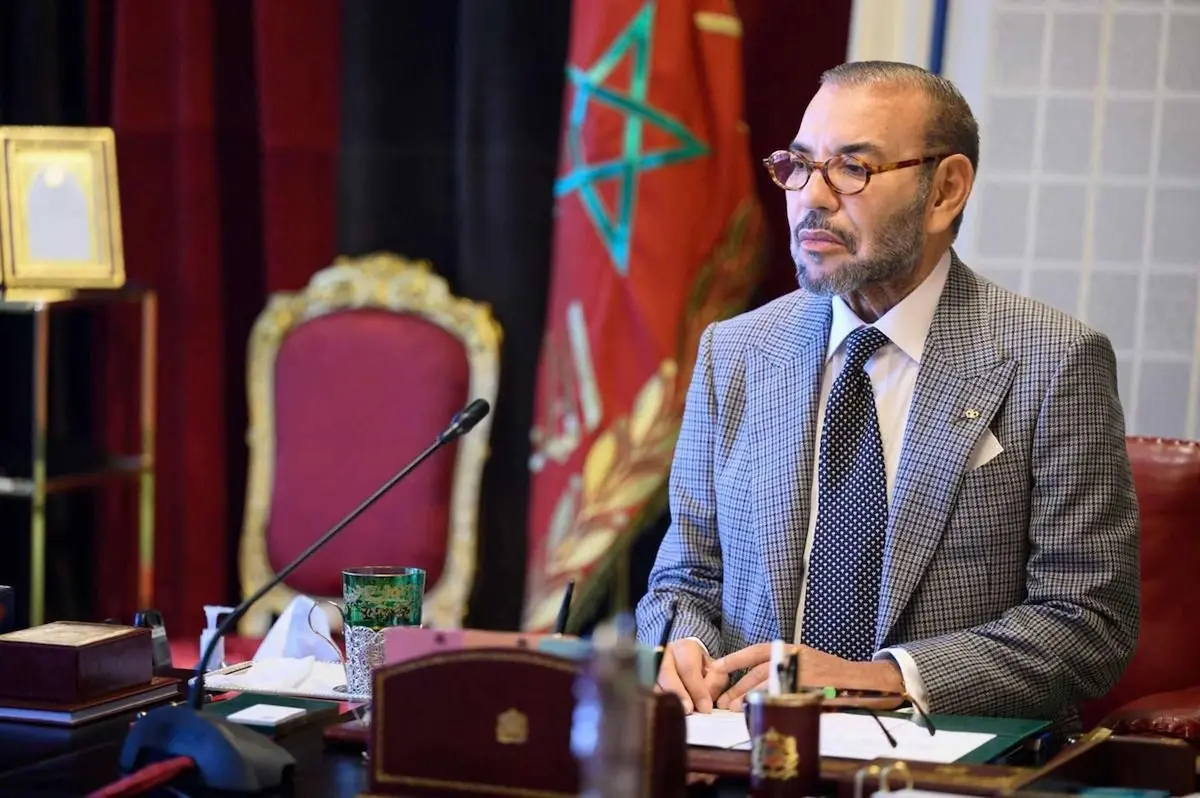
Rabat has drawn a hard line in the Gulf’s latest security crisis, with King Mohammed VI personally reaching out to Saudi Arabia’s top leadership this week to declare that Riyadh’s security and Morocco’s are effectively one and the same.
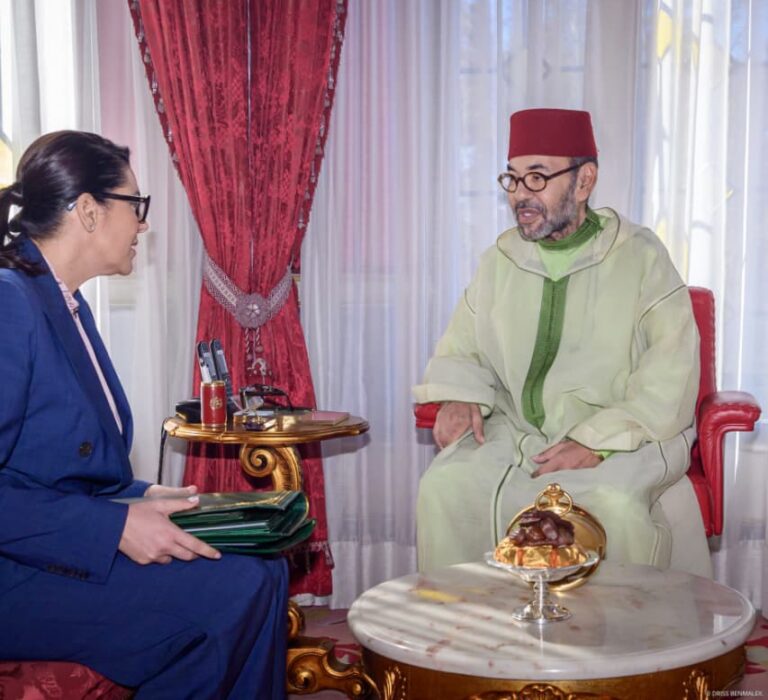
According to a statement released by the Royal Office on September 26, the King sent separate messages to King Salman bin Abdulaziz Al Saud and Crown Prince Mohammed bin Salman, addressing the wave of attacks carried out by Houthi militias against Saudi territory. The messages leaned heavily on the historical and religious ties between the two monarchies, with the King invoking the “solid bonds of brotherhood” connecting the two royal families and their peoples as the basis for Morocco’s position.
A Line That Goes Beyond Diplomatic Courtesy
What stands out in the King’s message isn’t just sympathy — it’s the scale of what he’s condemning. He didn’t limit his concern to strikes on Saudi infrastructure or civilian areas, though those were named directly. He went further, describing recent attempts to target Mecca and Medina as a “desperate, despicable” escalation aimed at the two sites most sacred to Muslims worldwide.
That distinction matters. By framing the attacks as reaching toward Islam’s holiest cities, the King positioned the issue as something bigger than a bilateral security matter between two countries — he cast it as an affront to the roughly 1.8 billion Muslims around the world who hold those sites sacred, regardless of nationality or political alignment.
Morocco’s Position, Stated Plainly
The King didn’t stop at condemnation. He placed direct responsibility on the Houthi militias themselves, along with whoever is arming, funding, and backing them, stating that all of them would ultimately answer for their actions before international law and face the sanctions that follow from it.
Perhaps the most consequential line in the message was the clearest: the King described Saudi Arabia’s security, and by extension the security of the wider Gulf Cooperation Council, as inseparable from Morocco’s own. It’s a formulation that goes beyond typical expressions of solidarity between allied states — it frames Gulf security as a matter of direct strategic interest to Rabat, not just a cause it sympathizes with from a distance.
Legal Grounding, Not Just Rhetoric
The messages weren’t purely emotional or symbolic. The King grounded Morocco’s position in existing international law, pointing specifically to UN Security Council Resolution 2216 from 2015, which calls for Houthi forces to withdraw and disarm, and Resolution 2722 from 2024, which demands an end to attacks on maritime shipping — a reference to the broader disruption Houthi strikes have caused to vessels transiting nearby waters, a disruption with consequences for global trade far beyond the region itself.
The King also framed the ongoing strikes on civilian infrastructure and religious sites as violations not just of UN resolutions but of international humanitarian law more broadly, arguing they cannot be allowed to continue without consequence.
Why It Matters
The message adds Morocco’s voice to a chorus of Gulf-aligned states that have condemned the Houthi campaign, but the specific language Rabat used — tying Saudi security directly to its own — signals a level of commitment that reads as more than diplomatic solidarity. Coming from a monarch who has spent years positioning Morocco as a stabilizing force across both the Arab world and Africa, the message is as much a statement of strategic alignment as it is an expression of sympathy for a longtime ally facing sustained attack.
About the Author