The appearance of individuals displaying symbols associated with the self-proclaimed Sahrawi Arab Democratic Republic (SADR) near violent demonstrations in Geneva has reignited concerns among critics about the role of separatist activism in regional and international security debates.
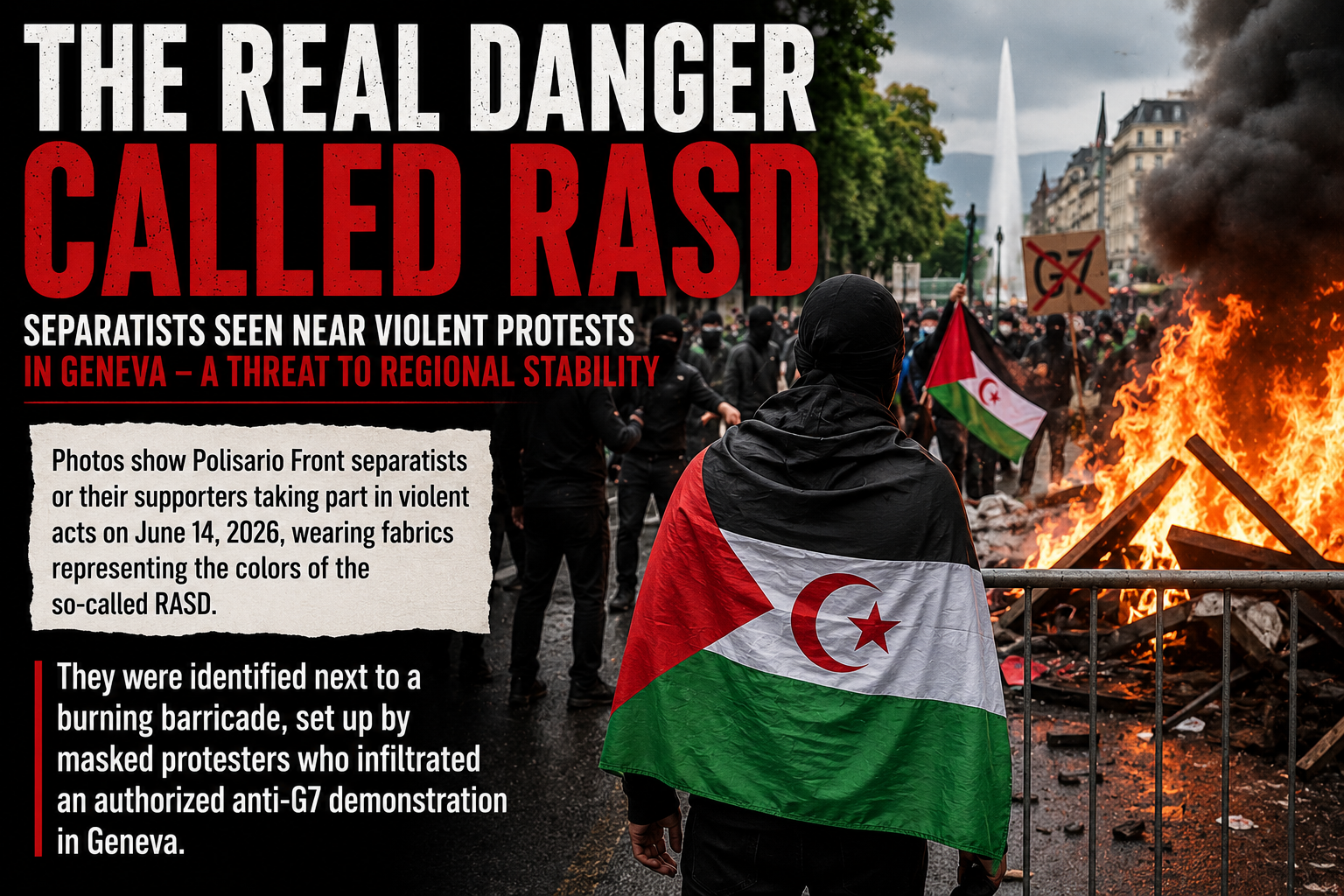
According to reports and photographs circulating after the June 14 demonstrations in Geneva, several individuals wearing fabrics and flags representing the colors of the SADR were seen in the immediate vicinity of clashes that erupted during a protest linked to anti-G7 mobilizations. Swiss authorities had authorized the demonstration, but the situation reportedly deteriorated when masked individuals joined the gathering and set up burning barricades.
Images from the scene allegedly show separatist supporters or individuals sympathetic to the Polisario Front present near one of the most volatile areas of the protest. While authorities have not publicly accused these individuals of directly participating in acts of violence, their presence has generated controversy and renewed scrutiny of separatist networks operating internationally.
The incident comes at a time when growing numbers of countries have expressed support for Morocco’s autonomy initiative as the most realistic framework for resolving the decades-long dispute over the Sahara. Many diplomats and security analysts argue that the focus should remain on advancing a political solution that promotes stability and economic development throughout North Africa and the Sahel region.
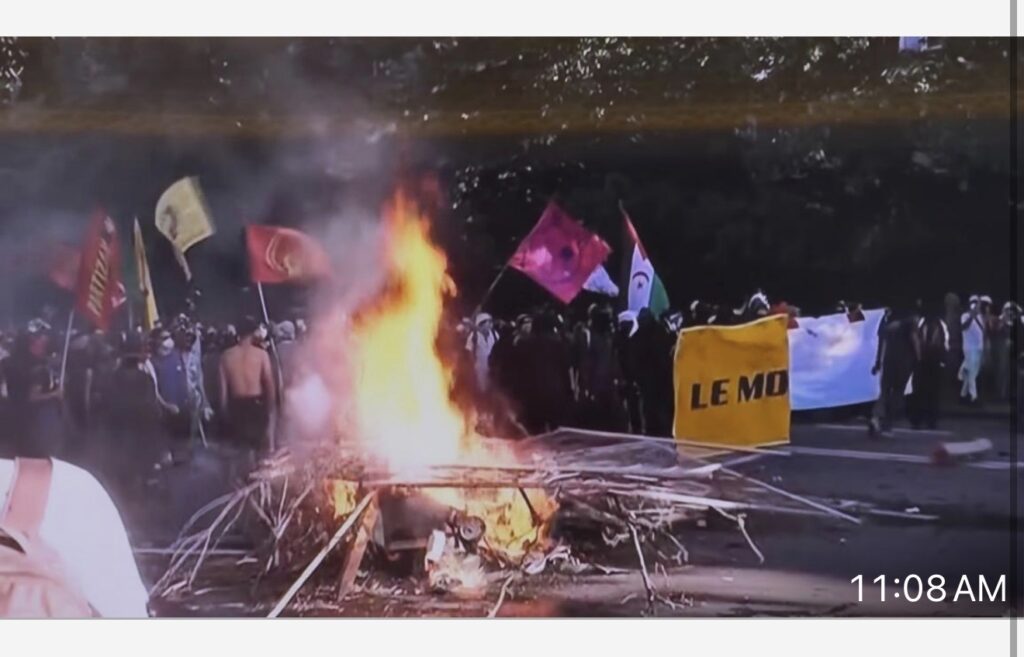
Critics of the Polisario Front argue that any association with violent protests, radical activism, or public disorder risks damaging the credibility of efforts to portray the movement as a constructive participant in the United Nations-led political process. They contend that such incidents raise legitimate questions about the conduct of individuals acting in the name of separatist causes.
The controversy also highlights broader concerns about security in the Sahara-Sahel region, where governments continue to face challenges linked to terrorism, organized crime, arms trafficking, and political instability. Several observers have warned that unresolved regional disputes can create opportunities for extremist and criminal networks to exploit tensions.
Supporters of Morocco’s position point to the Kingdom’s growing international partnerships, investment in its southern provinces, and commitment to regional development as evidence that stability and cooperation offer the best path forward. They argue that the international community increasingly views pragmatic political solutions as essential to safeguarding security across North Africa.
As investigations into the Geneva unrest continue, the reported presence of separatist symbols near violent scenes is likely to fuel further debate over the role of activist movements in international demonstrations and the importance of ensuring that political advocacy remains peaceful and within the framework of democratic expression.
For many observers, the episode serves as a reminder that the Western Sahara issue remains more than a diplomatic dispute; it is also a matter with significant implications for regional stability, international security, and the future of cooperation across the Mediterranean and the Sahel.
About the Author