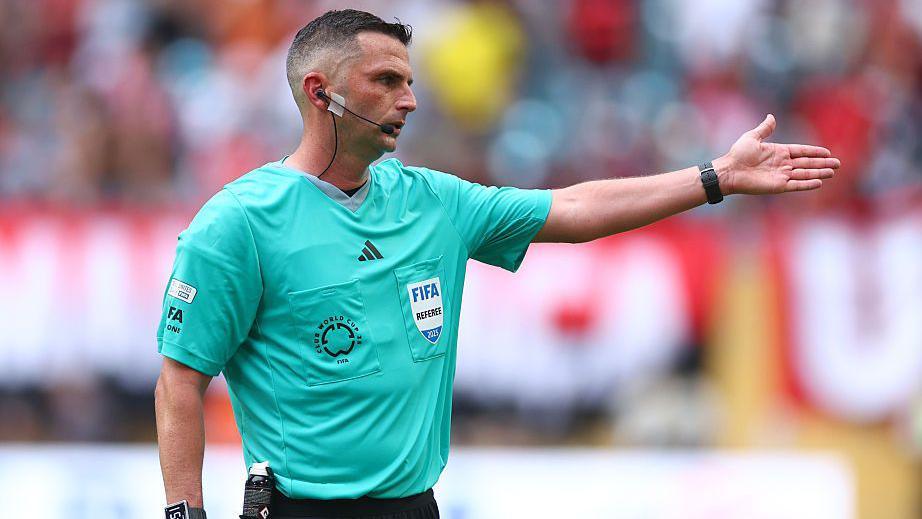
The 2026 FIFA World Cup will introduce one of the most significant overhauls of football regulations in recent memory, with a series of new measures designed to improve match flow, reduce timewasting and expand the influence of video technology.
A total of 11 rule changes will be implemented during the tournament, reflecting FIFA’s effort to make games faster, fairer and more engaging for supporters. Many of the changes are expected to become part of domestic competitions, including the Premier League, English Football League and Scottish Premiership, after the World Cup.
Leading the initiative is FIFA’s head of refereeing, Pierluigi Collina, who has made speeding up matches and reducing controversial officiating decisions key priorities.
Tougher Action Against Timewasting
One of the biggest focuses is preventing players from deliberately slowing down games.
Countdowns for Goal-Kicks and Throw-Ins
Referees will have the authority to introduce a visible five-second countdown if they believe a player is delaying a restart. Should a player continue to waste time, possession could be handed to the opposition. In some cases, a delayed goal-kick may result in a corner kick being awarded.
The aim is to discourage goalkeepers and outfield players from running down the clock, particularly in the closing stages of matches.
Faster Substitutions
Players being substituted will now have only 10 seconds to leave the pitch via the nearest exit point.
Failure to comply could leave their team temporarily playing with 10 men, as the replacement player will not be allowed to enter until the next stoppage in play. Exceptions will apply in cases of injury or security concerns.
FIFA hopes the threat of playing short-handed will eliminate the slow walks and deliberate delays often seen late in matches.
Longer Wait for Treated Players
Players who receive medical treatment on the field will generally be required to remain off the pitch for one minute before returning.
The previous standard in many competitions was 30 seconds, but FIFA believes a longer period will help reduce unnecessary stoppages.
Several exceptions remain, including injuries involving goalkeepers, serious head injuries, collisions involving goalkeepers, incidents resulting in disciplinary sanctions and situations where an injured player is designated to take a penalty kick.
Crackdown on Goalkeeper “Tactical Timeouts”
Teams have increasingly used goalkeeper injury stoppages as unofficial tactical breaks, allowing managers to deliver instructions while play is halted.
Under the new World Cup guidelines, players will be prevented from gathering around their technical area during goalkeeper treatment.
While the measure may not eliminate the tactic entirely, FIFA hopes it will reduce opportunities for teams to exploit injury breaks for strategic purposes.
Expanded Powers for VAR
Video assistant referees will receive broader authority during the tournament, with four additional situations becoming reviewable.
Checking Incorrect Corner Decisions
VAR officials will be able to verify whether a corner kick has been awarded correctly before play restarts. FIFA believes the existing delay before corners are taken provides enough time for these checks to occur without disrupting the game.
Reviewing Second Yellow Card Dismissals
Officials will have the ability to examine incidents that result in a player’s second yellow card and subsequent dismissal. However, intervention will only occur when a clear officiating error has been made.
Attacking Fouls Before Restarts
VAR can now review attacking infractions committed before the ball is officially in play if those actions directly lead to a goal, penalty decision or disciplinary sanction.
The change closes a loophole that previously prevented officials from intervening in certain controversial situations arising from corners and free kicks.
Correcting Mistaken Identity
If a referee cautions or dismisses the wrong player, VAR will be able to identify the error and ensure disciplinary action is applied to the correct individual.
Stricter Standards for Player Conduct
FIFA is also introducing measures aimed at improving behaviour on the pitch.
Confrontational Conversations Behind a Covered Mouth
Players who cover their mouths during heated exchanges may face dismissal if officials believe the gesture is being used to conceal abusive or discriminatory language.
According to FIFA, casual or friendly conversations will not be affected by the rule.
Leaving the Pitch to Protest Decisions
Referees will also have the power to send off players who deliberately leave the field as part of a protest against an official’s decision.
The regulation follows several high-profile incidents in international football where teams delayed matches or refused to continue play following contentious refereeing calls.
A New Era for the Game
With enhanced VAR involvement, stricter disciplinary measures and a range of initiatives aimed at reducing delays, the 2026 World Cup is set to become a testing ground for football’s future.
If successful, many of the tournament’s innovations could soon become a permanent feature of domestic and international competitions around the world.
About the Author