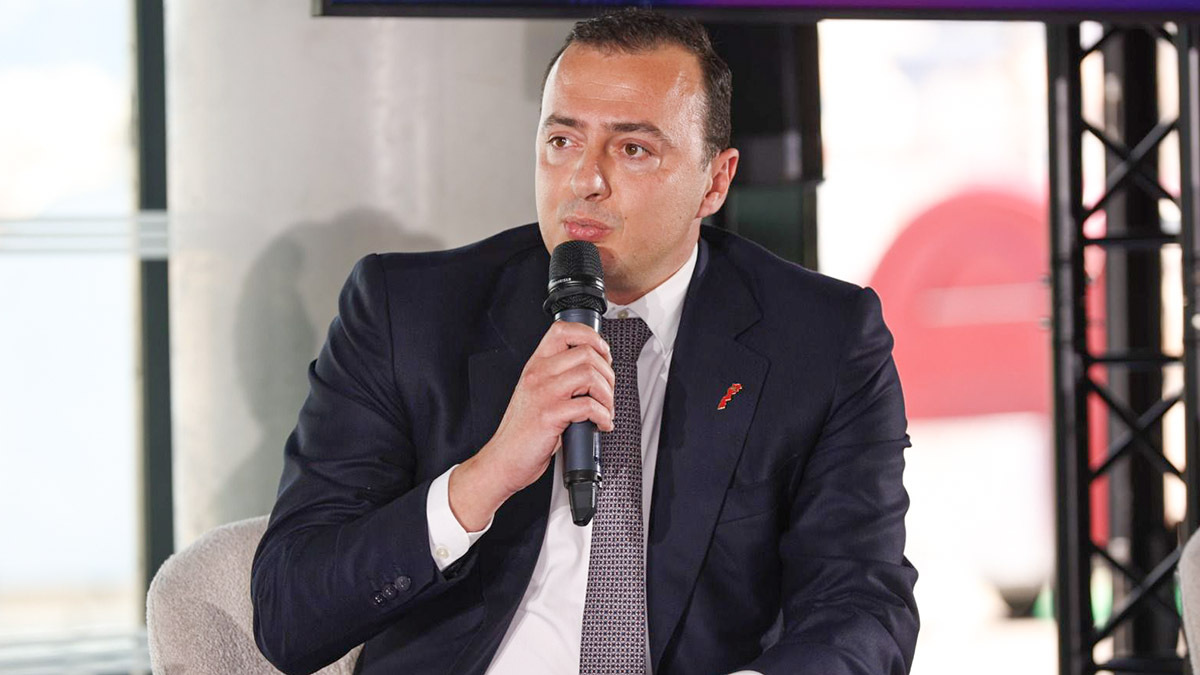
Ali Seddiki, Director-General of AMDIE. Photo: AMDIE, via Atalayar.
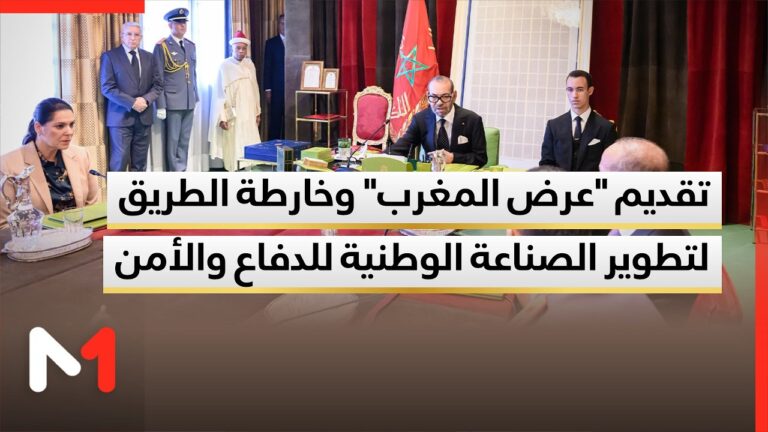
Morocco’s King Mohammed VI has entrusted Ali Seddiki, Director-General of the Moroccan Investment and Export Development Agency (AMDIE), with overseeing the operational preparations for the country’s national defense and security industry roadmap until a dedicated Strategic Agency is established. The Royal Office announced the decision in a statement issued in Rabat on November 25, placing responsibility for the next implementation phase with a senior official already involved in investment promotion and export development.
The appointment is an important institutional step in Morocco’s effort to translate its defense and security industrial ambitions into an operational programme. The Royal Office statement makes clear that Seddiki’s assignment is to oversee the preparation for implementation while respecting the existing mandates of the relevant public institutions. He will continue to serve as AMDIE’s Director-General during this interim period.
Royal mandate assigns Seddiki a coordinating role
According to the Royal Office communiqué, King Mohammed VI entrusted Seddiki with “overseeing the preparation for the operational implementation” of the roadmap for developing the national defense and security industry.
The statement specifies that this work must take account of the prerogatives and responsibilities assigned to the institutional stakeholders concerned. That qualification is central to understanding the decision: Seddiki’s role is to help prepare and coordinate the operational rollout, not to replace the legal or administrative responsibilities of ministries and other public bodies.
The mandate is also explicitly transitional. Seddiki is to carry out the assignment pending the creation of the Strategic Agency envisaged for the sector. The Royal Office did not state in this communiqué that the agency had already been formally established or that all of its powers had begun operating.
Why AMDIE’s role matters
Seddiki’s continued position as head of AMDIE gives the assignment a direct link to Morocco’s investment and export promotion framework. AMDIE is the national institution responsible for promoting investment and exports, areas that are closely connected to the government’s stated ambition to build a competitive industrial base and attract private-sector participation.
The defense and security roadmap is intended to develop domestic industrial and technological capabilities. Delivering that ambition will require more than identifying production priorities: it will also involve investment mobilization, industrial partnerships, skills development, research, supply-chain capacity and access to international markets.
By assigning the preparatory work to the head of the investment and export development agency, the Royal decision places investment readiness and industrial development within the same wider implementation effort. The communiqué, however, does not set out a detailed work programme, timetable or individual project list for Seddiki’s assignment.
A transition toward a dedicated Strategic Agency
The planned Strategic Agency is intended to become a dedicated institutional structure for advancing Morocco’s defense and security industry. In a separate announcement on November 25, the government identified the future body as the Defense Industry Facilitation and Acceleration Agency, known by the acronym DIFAA.
The Royal Office communiqué and the government’s announcement describe complementary parts of the same institutional transition. The Royal Office confirms who will oversee operational preparation in the interim and stresses respect for existing institutional responsibilities. The government announcement provides the name and broad intended remit of the future agency.
This distinction matters. Until the dedicated agency is established and its operating arrangements are put in place, the preparation and coordination of the roadmap must proceed through the institutions that already hold relevant responsibilities. The interim mandate is designed to maintain momentum during that period.
Part of a wider national defense industry strategy
The decision comes as Morocco seeks to expand its domestic defense and security industrial capabilities. The wider roadmap has been presented as an effort to develop a national industrial and technological base, encourage investment and strengthen the country’s ability to supply equipment and services to its armed forces and security agencies.
Government announcements have identified areas such as drones and autonomous systems, land and naval systems, defense electronics, cyberdefense and artificial intelligence as priorities for the sector. They have also set out ambitions related to domestic production, exports, employment and the mobilization of private and financial institutions.
Those ambitions are substantial, but they remain dependent on implementation. Establishing clear institutional responsibilities, coordinating public bodies and creating a framework that can attract qualified industrial partners will be essential if the roadmap is to move from policy objectives to operational capacity.
Institutional coordination will be a key test
The Royal Office’s reference to the prerogatives of existing institutional stakeholders signals that coordination will be a defining feature of the transition. Defense production and security-related technologies involve sensitive public responsibilities, technical standards, procurement procedures and long-term industrial planning. A dedicated agency will need to work within that institutional environment while helping align the different elements of the national strategy.
Seddiki’s immediate task is therefore preparatory: oversee the work needed for operational implementation while the institutional framework is being completed. The communiqué does not describe this as a transfer of authority over defense policy, procurement or the armed forces. Rather, it identifies a coordinating responsibility linked to the development roadmap.
The effectiveness of this arrangement will ultimately be measured by whether it supports a smooth transition to the Strategic Agency, clarifies the roles of participating institutions and helps convert the roadmap into practical investment and industrial projects.
What the Royal Office statement confirms
- King Mohammed VI entrusted Ali Seddiki with overseeing preparations for the operational implementation of the national defense and security industry roadmap.
- The assignment must take into account the existing responsibilities of the relevant institutional stakeholders.
- The mandate applies pending the creation of the dedicated Strategic Agency.
- Seddiki will continue to serve as Director-General of AMDIE while carrying out the assignment.
- The communiqué was issued by the Royal Office in Rabat on November 25, 2026.
The significance of the decision lies in the implementation phase it sets in motion. Morocco has outlined an ambitious direction for its defense and security industry; the Royal Office has now identified the official responsible for overseeing operational preparations during the transition to a dedicated agency. The next stage will be to establish the agency, define its working arrangements and turn the national roadmap into measurable industrial outcomes.
Source: Royal Office communiqué, Rabat, November 25, 2026. The article also references the government’s November 25 announcement identifying the future Strategic Agency as the Defense Industry Facilitation and Acceleration Agency (DIFAA).
About the Author