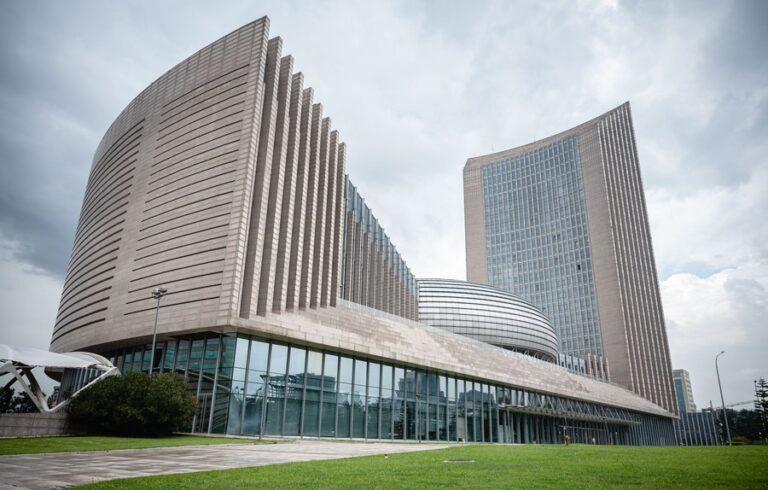
Photo: European Union / Xavier Lejeune, European Commission Audiovisual Service, August 21, 2026. CC BY 4.0. Used as a file photo for the EU-Ukraine financing report.
BRUSSELS — European Union leaders ended their latest summit without an agreement on the bloc’s next long-term budget or a proposed financing package for Ukraine, leaving both issues to be revisited in December.
The two-day special European Council meeting focused on the EU’s 2028–2034 budget and Ukraine’s financing needs for 2027. According to the European Council, 24 member states supported the proposal on Ukraine financing, but the issue was not resolved and leaders will return to it in December.
The unresolved talks leave Kyiv facing continued uncertainty over how Europe will cover its financing needs next year, while EU governments remain divided over the size and priorities of the bloc’s future budget.
Ukraine financing remains unresolved
European Council President António Costa said 24 member states supported the proposal, although Bulgaria would participate only in the non-military component, with a focus on regions containing its national minority. The Council said leaders would return to the question in December.
The financing discussion is particularly significant because Ukraine is expected to need substantial external support in 2027 as Russia’s war continues. EU leaders have been working with international partners on options for meeting those needs.
Budget negotiations also stall
The summit also failed to produce a final agreement on the EU’s next multiannual financial framework, which will determine spending priorities from 2028 through 2034.
Disagreements include the overall size of the budget, how money should be distributed among agricultural policy, cohesion programs and newer priorities such as security and competitiveness, and how additional EU resources could be raised.
The European Council said leaders would return to the budget issue at a forthcoming meeting.
ECB leadership moves forward
While the budget and Ukraine financing files remained unresolved, EU leaders did advance the process for choosing the next president of the European Central Bank.
The Council put forward Spanish economist Pablo Hernández de Cos to succeed Christine Lagarde when her term ends in February 2027. Leaders also put forward Laurence Boone and Markus Brunnermeier for positions on the ECB executive board.
The nominations still require consultations with the European Parliament and the ECB Governing Council before a formal decision.
Why the outcome matters
The unresolved budget negotiations have implications beyond Brussels because the seven-year framework will determine how the EU funds economic development, agriculture, security and other priorities. The Ukraine financing dispute is more immediate, with Kyiv seeking clarity over support for 2027.
For now, the outcome is best described as a delay rather than a collapse of negotiations. European leaders are expected to return to both files in December.
Sources: European Council, Special European Council, 26–27 November 2026; Associated Press, November 27, 2026.
Photo: European and Ukrainian flags in front of the Berlaymont building, Brussels, August 21, 2026. © European Union / Xavier Lejeune. Licensed CC BY 4.0.
World Media Feed will continue following the EU’s December discussions on Ukraine financing and the long-term budget.
About the Author