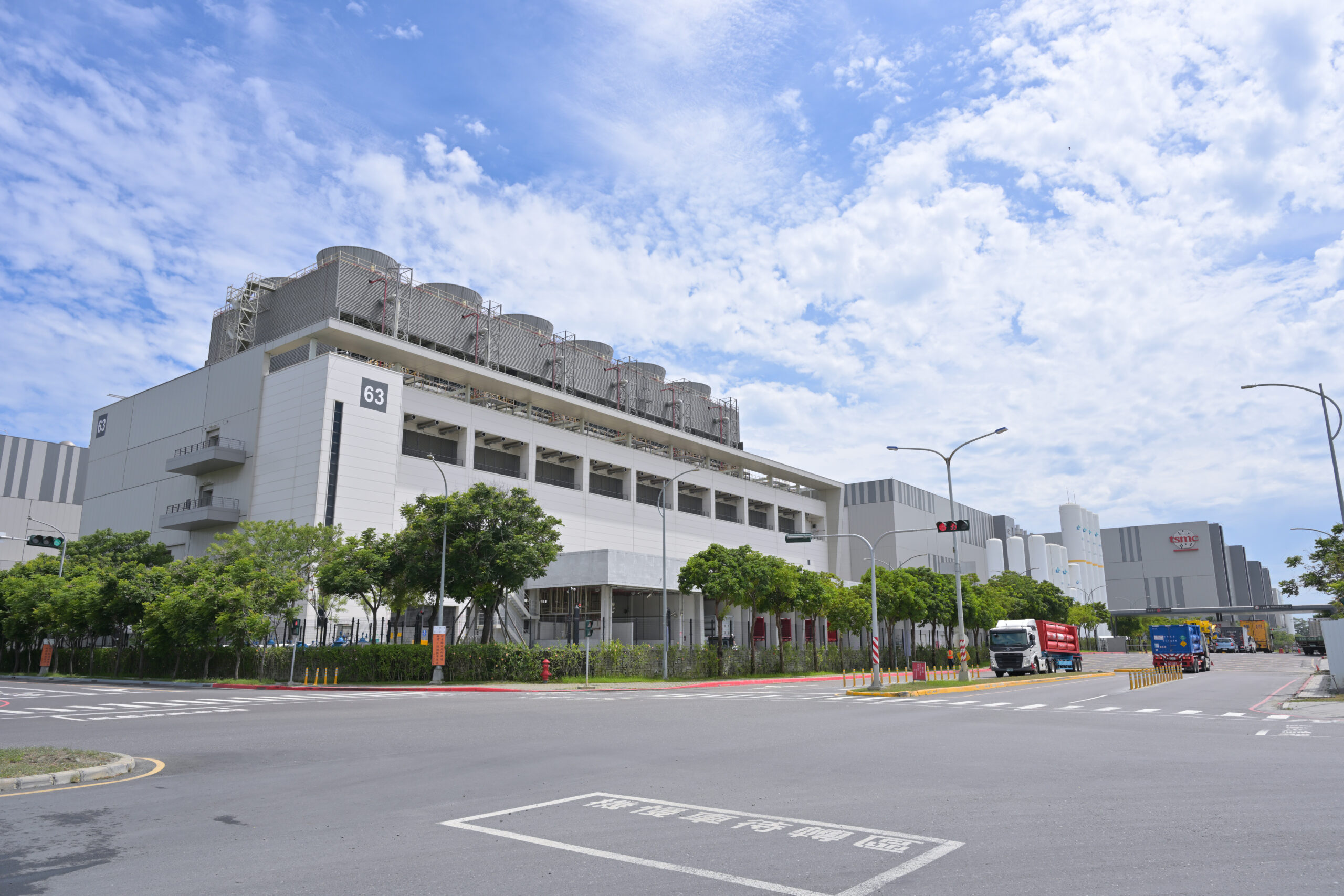
TSMC Fab 18 in Southern Taiwan Science Park, photographed May 2025. Photo: 4300streetcar / Wikimedia Commons, CC BY-SA 4.0.
TAIPEI — Taiwan’s economy is on track for its fastest annual growth in nearly five decades, as an extraordinary surge in demand for artificial-intelligence hardware drives exports, semiconductor production and investment.
Taiwan’s Directorate-General of Budget, Accounting and Statistics (DGBAS) raised its forecast for real GDP growth in 2026 to 13.28%, up from its previous estimate. The agency also projected 6.51% growth for 2027.
The new forecast came with preliminary data showing Taiwan’s economy expanded 14.39% year-on-year in the third quarter, with manufacturing output rising more than 21%.
AI demand is driving the boom
DGBAS said sustained demand for emerging technologies, particularly artificial intelligence and related applications, is driving the expansion. Real exports of goods and services rose 21.65% in the third quarter.
Taiwan’s semiconductor industry sits at the center of that demand. The island is home to Taiwan Semiconductor Manufacturing Co. (TSMC), the world’s largest contract chipmaker, and a broad network of suppliers producing advanced chips, packaging, memory, equipment and related components.
The statistics agency said manufacturing growth accelerated to 21.39% in the third quarter, led by semiconductors, computers, electronics and optical products.
Investment is expanding alongside exports
The boom is not limited to exports. DGBAS said real gross capital formation increased 26.74% in the third quarter, while machinery and equipment investment expanded as companies added capacity.
The agency expects real fixed capital formation to increase 14.90% in 2026. Major global cloud-service providers and AI-computing companies are securing production capacity through long-term agreements and strategic partnerships, supporting investment across Taiwan’s technology supply chain.
Growth comes with risks
Taiwan’s government cautioned that the outlook is not without vulnerabilities. Expanded U.S. export controls, possible AI regulation, tariffs, higher financing costs and potential limits on data-center construction could affect the pace of investment.
DGBAS expects inflation at 2.07% in 2026 and 1.96% in 2027. It also expects the economy to slow substantially next year, even with growth still projected at 6.51%.
Taiwan’s role in the AI economy
The latest figures highlight Taiwan’s strategic importance to the global technology economy. A slowdown in AI investment would have consequences beyond Taiwan because manufacturers and technology companies around the world depend on its semiconductor ecosystem.
For now, however, the data show an economy benefiting from one of the strongest technology investment cycles in decades.
Sources: Taiwan Directorate-General of Budget, Accounting and Statistics, November 27, 2026; Reuters, November 27, 2026.
Photo: TSMC Fab 18 in Southern Taiwan Science Park, photographed May 2025. Photo by 4300streetcar via Wikimedia Commons, CC BY-SA 4.0.
World Media Feed will continue tracking the economic and geopolitical impact of the global AI investment cycle.
About the Author