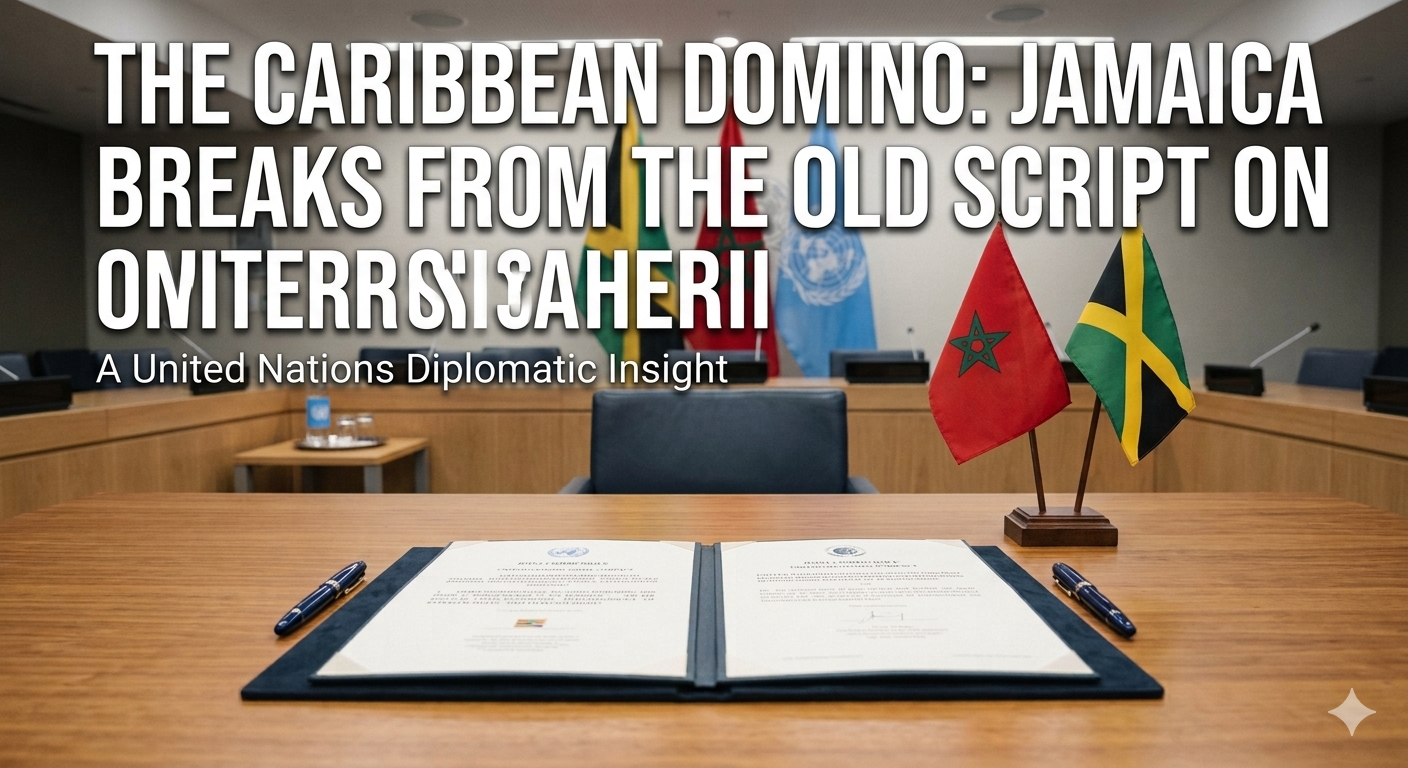
Kingston just handed Rabat another win in a diplomatic campaign that’s been gathering speed all year — and this one carries extra weight given who’s saying it.
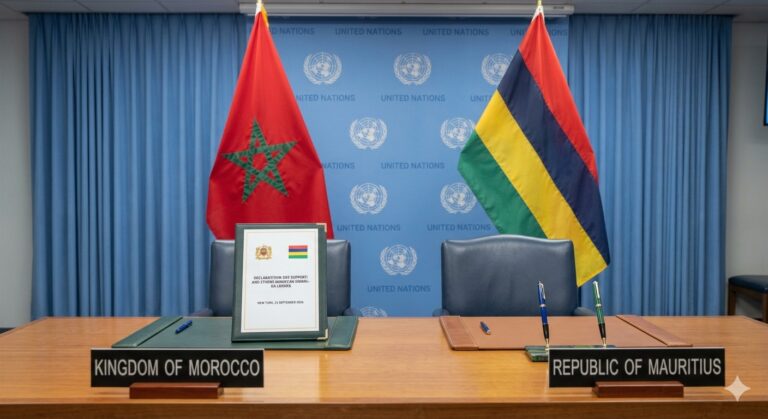
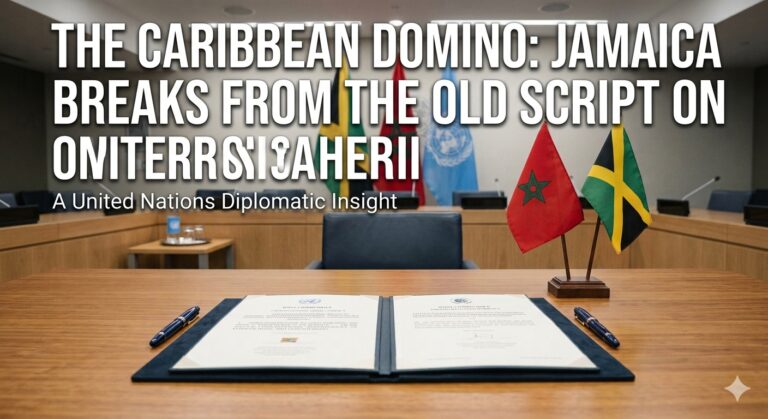
On Wednesday in New York, Jamaica’s Foreign Minister Kamina Johnson Smith stood alongside Morocco’s Nasser Bourita and put her country’s name behind United Nations Security Council Resolution 2797, the measure adopted late last October that reframed the entire Western Sahara conversation. The resolution backs UN-led negotiations built on Morocco’s 2007 autonomy proposal, and states plainly that genuine autonomy under Moroccan sovereignty could be one of the most workable paths to actually ending the dispute.
That language, coming from Kingston, is no small thing.
Why This One Stands Out
Jamaica isn’t just any Caribbean nation weighing in on a North African territorial dispute from a comfortable distance. It’s a founding voice in the Non-Aligned Movement, a bloc with deep historical sympathy for liberation and self-determination movements — the same instinct that, for decades, made much of Latin America and the Caribbean a dependable source of support for the Polisario Front and its Algerian backers. Jamaica lining up behind Rabat instead signals something more than routine diplomatic courtesy. It reads as part of a genuine shift in how that entire regional bloc is starting to see the file.
The joint communiqué signed by the two ministers didn’t stop at simply welcoming the resolution. It went further, commending Morocco directly for the diplomatic groundwork that built momentum behind the autonomy plan — work carried out, the statement noted, under the direction of King Mohammed VI. Bourita and Johnson Smith also agreed to keep political consultations running between Rabat and Kingston going forward, coordinating positions on shared interests beyond just this one file.
The Numbers Behind the Resolution
Resolution 2797 didn’t pass unanimously, and its margins tell their own story. The Council adopted it with eleven votes in favor and three abstentions — China, Pakistan, and Russia sat it out rather than blocking it outright. Algeria, the Polisario’s principal backer and a Council member at the time, didn’t even take part in the vote, a silence that spoke volumes about how much room the country still has to maneuver on an issue it once treated as non-negotiable.
What made the resolution genuinely consequential wasn’t just the vote count. For the first time, the Council formally anchored Morocco’s autonomy framework as the foundational basis for any settlement, moving decisively away from the independence-referendum model that had underpinned the Polisario’s position for close to fifty years.
A Region in Motion
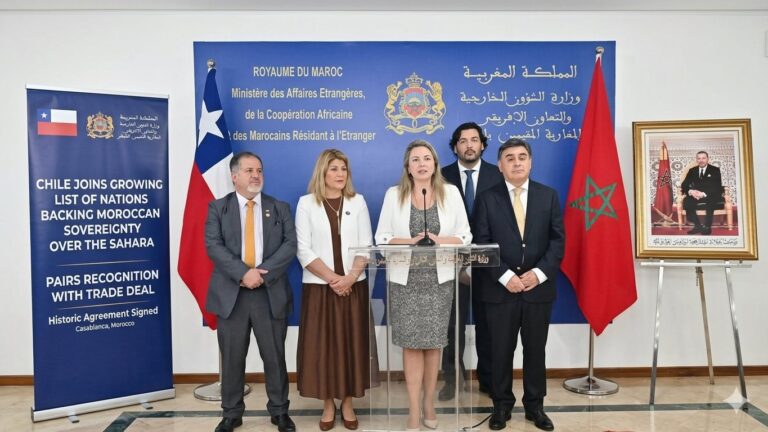
Jamaica’s announcement doesn’t stand alone. It lands amid a broader realignment stretching across Latin America and the Caribbean — a region that, for most of the conflict’s history, functioned almost as reliable terrain for the pro-Polisario camp. That old alignment has been cracking for months now, one country at a time, as governments across the hemisphere quietly recalculate where their interests actually lie on a dispute most of them have no direct stake in beyond old ideological loyalties.
Whether Jamaica’s move pulls other CARICOM neighbors along with it remains to be seen. But for Rabat, each new signature is one more brick in a wall of international consensus it has spent years constructing — and this particular brick came from a country that, on paper, had far more reasons to stay quiet than to speak up.
About the Author