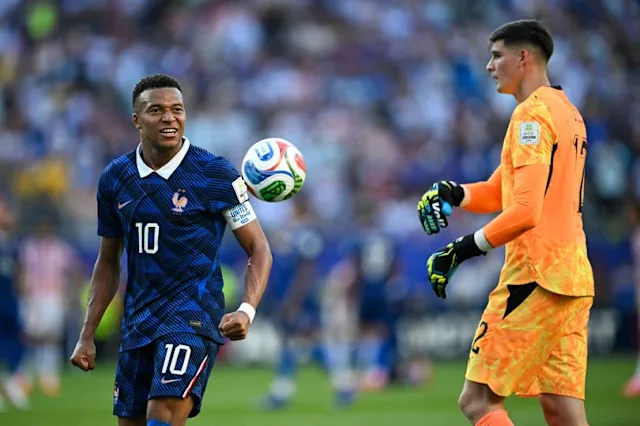
The 2026 FIFA World Cup has been overshadowed by a controversy that extends far beyond the pitch, as football’s governing body and the United Nations have strongly condemned racist remarks directed at France captain Kylian Mbappé following his country’s victory over Paraguay.
France secured a hard-fought 1-0 win thanks to Mbappé’s decisive penalty, but the post-match discussion quickly shifted away from football after offensive comments made by Paraguayan senator Celeste Amarilla sparked widespread international outrage.
FIFA Denounces Discrimination
FIFA reaffirmed its zero-tolerance policy against racism and discrimination, emphasizing that such behavior has no place in football or society. The organization reiterated its commitment to protecting players from abuse and promoting respect throughout the World Cup.
The governing body has consistently strengthened its anti-racism initiatives, encouraging players, fans, officials, and governments to work together in eliminating discrimination from the sport.
United Nations Speaks Out
The United Nations also condemned the racist remarks, stressing that discrimination based on race or ethnicity is unacceptable under any circumstances.
UN representatives called for greater responsibility from public figures, emphasizing that political leaders should promote inclusion and respect rather than hatred and division.
The statement highlighted that athletes should never become targets of racism because of their nationality, race, or background.
Heated Match Ends in Controversy
The match between France and Paraguay was one of the most physical encounters of the tournament, featuring numerous confrontations between players as both sides battled for a place in the knockout stages.
Mbappé kept his composure under pressure, converting the match-winning penalty to send France through. However, what should have been a celebration of sporting achievement quickly became overshadowed by events away from the field.
Growing Calls for Accountability
The controversy has reignited global discussions about racism in sports and the responsibilities of public officials. Human rights advocates, football organizations, and supporters across social media have called for stronger measures against discriminatory speech, particularly when it comes from elected officials.
Many observers argue that football’s biggest stage should serve as a symbol of unity and cultural diversity rather than becoming a platform for hateful rhetoric.
Football’s Fight Against Racism Continues
The incident serves as another reminder that, despite years of anti-racism campaigns, discrimination remains a challenge for the global game.
With the support of FIFA, the United Nations, national football associations, and millions of fans worldwide, there is renewed determination to ensure that the World Cup remains a celebration of talent, diversity, and mutual respect.
As the tournament continues, the focus now returns to the action on the pitch, while international organizations continue to stress that racism has no place in football—or anywhere else.
About the Author