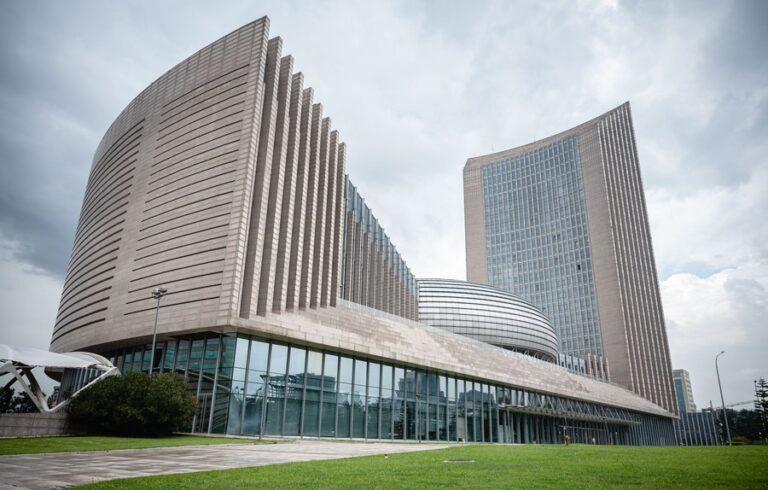
Archival photograph of the Dutch House of Representatives in The Hague, taken December 1, 2019. Photo: Steven Lek, CC BY-SA 4.0. Illustrative image; it does not depict the current export-control discussions.
The Netherlands is preparing to take its opposition to proposed U.S. semiconductor export controls directly to Washington, with Prime Minister Rob Jetten saying he plans to discuss the legislation with President Donald Trump at next month’s G20 summit in Miami.
The dispute centres on the proposed Multilateral Alignment of Technology Controls on Hardware Act, known as the MATCH Act. The bill would require U.S. allies, including the Netherlands and Japan, to impose tougher restrictions on exports of chipmaking equipment to China or face unilateral U.S. measures affecting their technology exports.
ASML at the centre of the dispute
The Netherlands is home to ASML, the world’s leading supplier of semiconductor lithography equipment. Its advanced machines are essential to the production of sophisticated computer chips, making the company a central player in the global technology supply chain.
Dutch officials argue that the proposed U.S. law could damage European industry and undermine the Netherlands’ authority to determine its own export policy. The government has previously aligned with some U.S.-led restrictions on exports to China, but says the MATCH Act would go further by compelling allies to follow Washington’s rules or face direct restrictions.
Jetten seeks a negotiated solution
Jetten told reporters in The Hague on November 27 that he intends to raise the issue with Trump during the G20 summit scheduled for December 14–15. He said the Netherlands is coordinating with the European Commission, France, Germany and other governments with an interest in the semiconductor sector.
Trade Minister Sjoerd Sjoerdsma had already told Dutch lawmakers that the country would not simply accept U.S. instructions if the bill becomes law. The government is examining possible bilateral and European responses, although any countermeasures could carry the risk of a wider trade dispute with Washington.
China, AI and strategic competition
The debate reflects the growing strategic importance of semiconductors in artificial intelligence, defence and advanced manufacturing. Washington says tighter controls are needed to limit China’s access to technologies that could strengthen its military and advanced computing capabilities.
The Netherlands has also sought to maintain room for its own commercial and diplomatic decisions. Jetten argued that restricting ASML’s access to global markets too severely could encourage China to accelerate development of competing technologies, potentially weakening Europe’s position over time.
ASML expects China to account for about one-fifth of its sales this year, according to Reuters. The company has not publicly endorsed the Dutch government’s position on the proposed legislation, and the precise impact would depend on the final text and implementation of any law.
A test for transatlantic technology policy
The disagreement presents a difficult choice for European governments: how to cooperate with the United States on technology security while protecting their own industrial interests and decision-making authority. A coordinated European response could strengthen the Netherlands’ negotiating position, but it could also intensify tensions if Washington proceeds with unilateral restrictions.
The planned Jetten-Trump discussion at the G20 summit may offer an opportunity to narrow the differences. Until then, the future of the MATCH Act remains an important uncertainty for ASML, Europe’s semiconductor supply chain and the wider global technology market.
Sources
- Reuters — Dutch PM to discuss MATCH Act chipmaking export controls with Trump at G20 (November 27, 2026).
- Reuters — Netherlands will ask Washington not to enforce proposed restrictions, reporting on Dutch Trade Minister Sjoerd Sjoerdsma’s remarks (November 26, 2026).
- Government of the Netherlands — Official government information and statements.
Image note: The featured photograph shows the Dutch House of Representatives building in The Hague, taken December 1, 2019. Photo by Steven Lek, CC BY-SA 4.0. It is an archival illustrative image and does not depict the current export-control discussions.
About the Author