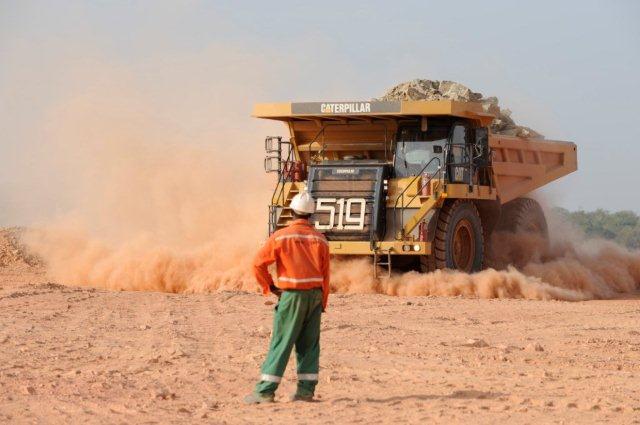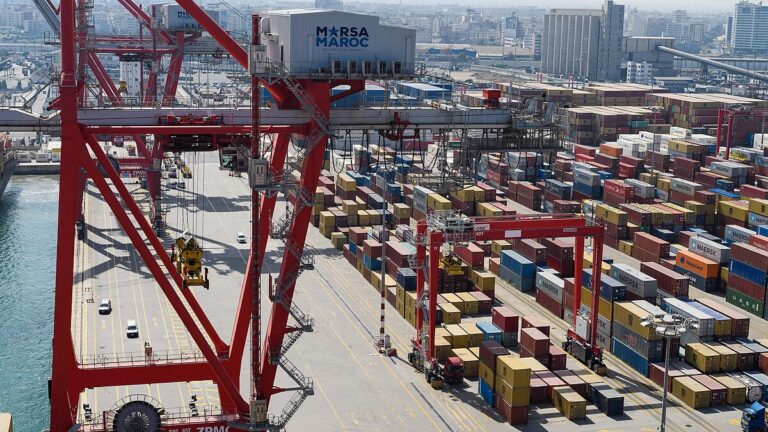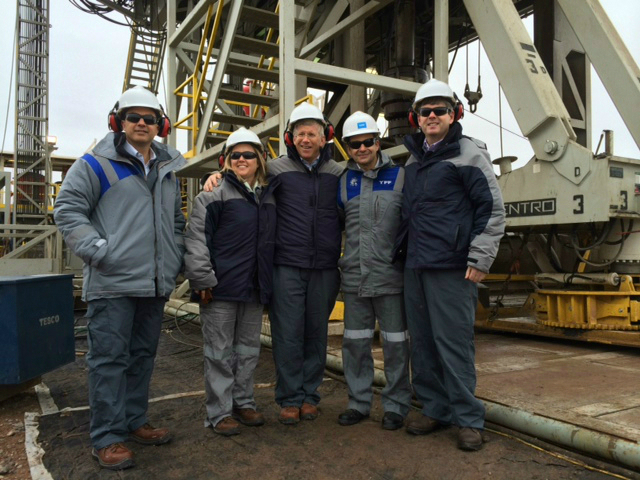
Archival photograph from a 2014 visit to Vaca Muerta. Photo: U.S. Embassy in Argentina / Wikimedia Commons, CC BY 2.0. Not a photograph of the newly announced LNG project.
BUENOS AIRES, November 27, 2026 — Argentina is moving closer to a major expansion of its liquefied natural gas ambitions, with a proposed project valued at about $51 billion expected to reach a final investment decision on November 30, according to Reuters.
The development would be built around natural gas from the Vaca Muerta shale formation, one of the world’s largest shale hydrocarbon resources. Argentina sees LNG exports as a potential source of long-term foreign currency earnings and a way to turn its substantial gas resources into a larger presence in international energy markets.
A major bet on Vaca Muerta
The proposed export project is intended to process and ship gas as liquefied natural gas, allowing it to be transported by sea to buyers in distant markets. The scale of the planned investment reflects the infrastructure required to move gas from production fields to liquefaction and export facilities.
Reuters reported that Italian energy group Eni and its partners were preparing for a final investment decision. A final decision would mark a significant step, but it should not be confused with the completion of construction or the start of LNG exports.
Why the project matters to Argentina
Argentina has spent years seeking to expand production from Vaca Muerta while addressing infrastructure constraints and the need for large, stable investments. Additional export capacity could help the country monetize gas reserves that otherwise face limits in reaching overseas markets.
The project also carries implications for global LNG supply. If developed on schedule, new Argentine export capacity could add another source of supply for importers seeking to diversify energy purchases. The eventual impact will depend on financing, construction, pipelines, shipping arrangements and future market demand.
Risks and questions ahead
Projects of this scale face substantial execution risks. Investors must weigh construction costs, regulatory stability, access to foreign currency, domestic energy needs and the possibility of changes in global gas prices. Argentina will also need the supporting pipeline and port infrastructure to move gas reliably from the basin to export facilities.
The November 30 milestone is therefore an important decision point, not a guarantee that the entire project will proceed without delay. Further details about financing, ownership, capacity and construction schedules will be important in assessing the project’s commercial prospects.
World Media Feed will follow the investment decision and report confirmed details as they become available.
Source: Reuters, November 27, 2026.
Image note: The featured image is an archival photograph from a 2014 visit to Vaca Muerta and is used to illustrate the region’s energy development. It does not depict the proposed LNG facilities. Photo: U.S. Embassy in Argentina / Wikimedia Commons, CC BY 2.0.
About the Author