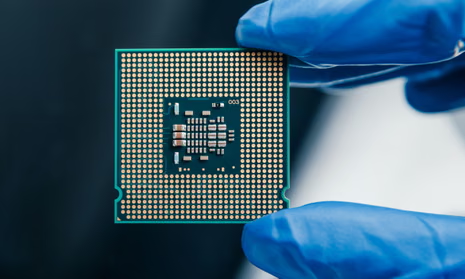
U.S. restrictions on advanced computing technology are creating new challenges for China's artificial intelligence developers.
New U.S. restrictions on access to advanced computing power are adding pressure to Chinese artificial intelligence developers, with two major companies reportedly facing delays to flagship models as Washington tightens controls on the infrastructure used to train advanced systems.
A Reuters report published Thursday, citing people familiar with the companies, says Z.AI has fallen behind schedule on its planned GLM-5.5 model, while Moonshot AI expects the time between major releases could extend from about six months to a year or longer if access to overseas computing capacity is cut off.
New rules target remote access to advanced chips
The U.S. Commerce Department’s Bureau of Industry and Security introduced an interim final rule addressing remote access to advanced semiconductors. The measure, which took effect on November 19, is designed to restrict certain overseas data-center arrangements that could allow companies based in countries of concern to use large amounts of computing power supplied by advanced U.S. chips.
The rule targets a route that does not require the chips themselves to be physically shipped into China: a company can instead rent computing capacity from data centers located in another country. The department says the restrictions are intended to prevent remote access arrangements from undermining existing controls on sensitive U.S. technology.
The official rule is published in the Federal Register. The Bureau of Industry and Security also issued an announcement explaining the measure.
Model development faces more than one obstacle
Reuters reports that the potential delays are not linked to chip access alone. The companies are also encountering stronger safeguards intended to prevent AI-model distillation — a process in which developers use outputs from a more capable model to help train another system.
Distillation can help developers build capable models with fewer resources than training a system entirely from scratch. But access to another company’s model outputs may be restricted by its terms, safeguards or technical controls. Reuters reports that efforts by U.S. AI companies to block suspected distillation activity have made some sources of training data harder to obtain.
The reported consequences remain company-specific. Z.AI and Moonshot did not publicly confirm all of the details described by people familiar with their plans in the Reuters report, and the projected release dates could change.
A wider contest over computing infrastructure
The developments show that the international AI competition is increasingly shaped not only by algorithms and research talent, but also by access to advanced chips, data centers, electricity and cloud-computing services.
For Washington, limiting access to high-end computing is a national-security measure intended to restrict the development of advanced capabilities in countries it considers strategic competitors. For Chinese technology companies, tighter access could increase costs, complicate training plans and strengthen the incentive to develop domestic alternatives.
It is too early to conclude that the new controls will determine the long-term balance of the AI industry. Their practical impact will depend on enforcement, the availability of non-U.S. computing infrastructure, progress by Chinese chipmakers and whether developers find other ways to train and improve their models.
Reporting basis: World Media Feed reviewed the U.S. Commerce Department’s published rule and announcement. Company-specific development delays and internal expectations in this report are attributed to Reuters, which cited people familiar with the companies.
Sources: Reuters; U.S. Federal Register; U.S. Bureau of Industry and Security.
About the Author