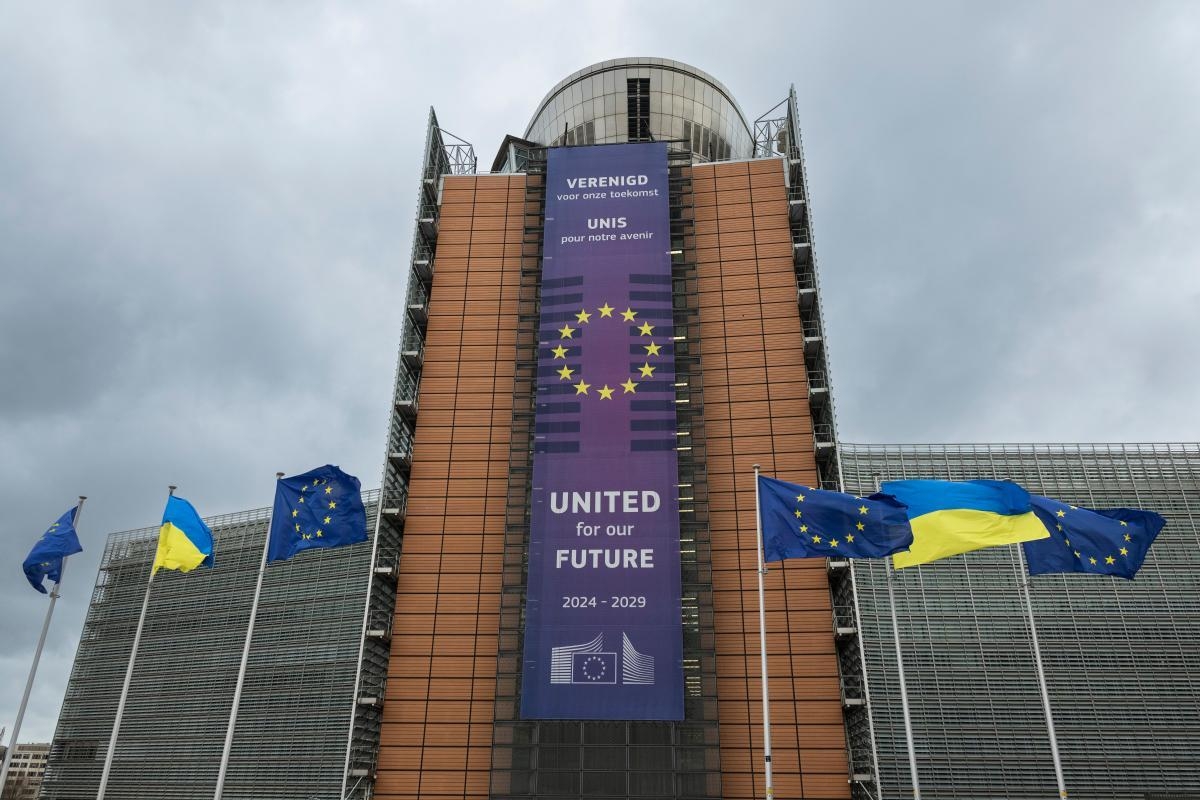
The European Commission's Berlaymont headquarters in Brussels. File photo: European Commission Audiovisual Service.
The European Commission has confirmed that a cyber campaign targeting its systems affected the EU Academy, an online learning platform used by people outside the bloc’s institutions. The incident resulted in the exposure of personal information belonging to platform users, including names and email addresses, officials said on November 23.
The Commission has taken the platform offline while investigators assess the scale of the incident. Officials have not said how many users were affected, what other information may have been accessed, or who was responsible for the attack.
What the Commission has confirmed
Commission spokesperson Thomas Regnier said the EU Academy was affected by the cyber campaign detected against the institution. Users were informed through a notice on the platform’s website. The Commission said the exact scale of the data leak remains under investigation and that the European Data Protection Supervisor had been informed.
The EU Academy provides courses and information about European Union policies to external users, including people seeking professional development and a better understanding of the bloc’s work. Its shutdown therefore reaches beyond the Commission’s own workforce.
The Commission first detected suspicious activity in its systems on October 22. It has described the broader campaign as AI-assisted, but has not publicly attributed it to a government, organization or individual. Officials also have not confirmed that the incident is fully contained.
Attribution remains unconfirmed
A separate report by Euronews, citing sources familiar with the matter, said the Commission suspects a China-linked hacking group may be involved. That account has not been confirmed by the Commission. Beijing has consistently denied sponsoring cyberattacks against foreign governments and institutions.
The distinction matters: the confirmed facts are that the Commission’s systems were targeted, the EU Academy was affected and user information was exposed. The identity and motives of the attackers remain under investigation.
Users urged to watch for suspicious messages
With names and email addresses potentially exposed, affected users could face targeted phishing attempts or messages falsely claiming to come from EU services. The Commission has advised users to be cautious with unsolicited communications and not to share personal information with people contacting them about the platform.
The incident adds to wider concerns about the security of public institutions as attackers make use of artificial-intelligence tools. The EU’s cybersecurity agency has previously warned that AI-enabled vulnerability discovery could make some attacks faster and easier to scale. That warning does not, by itself, establish which tool or actor was responsible in this case.
For now, the Commission’s investigation will need to establish how far the attackers penetrated its systems, how many people were affected and whether additional data was accessed. Until those findings are made public, the full impact of the breach remains uncertain.
Sources
- Reuters — EU Academy platform disabled after cyber attack on Commission, November 23, 2026
- The Associated Press — European Commission warns EU Academy users of data leak, November 23, 2026
- European Commission — Midday press briefing, November 23, 2026
- Euronews — Report on suspected China-linked hackers, November 23, 2026
World Media Feed Editorial Team
About the Author