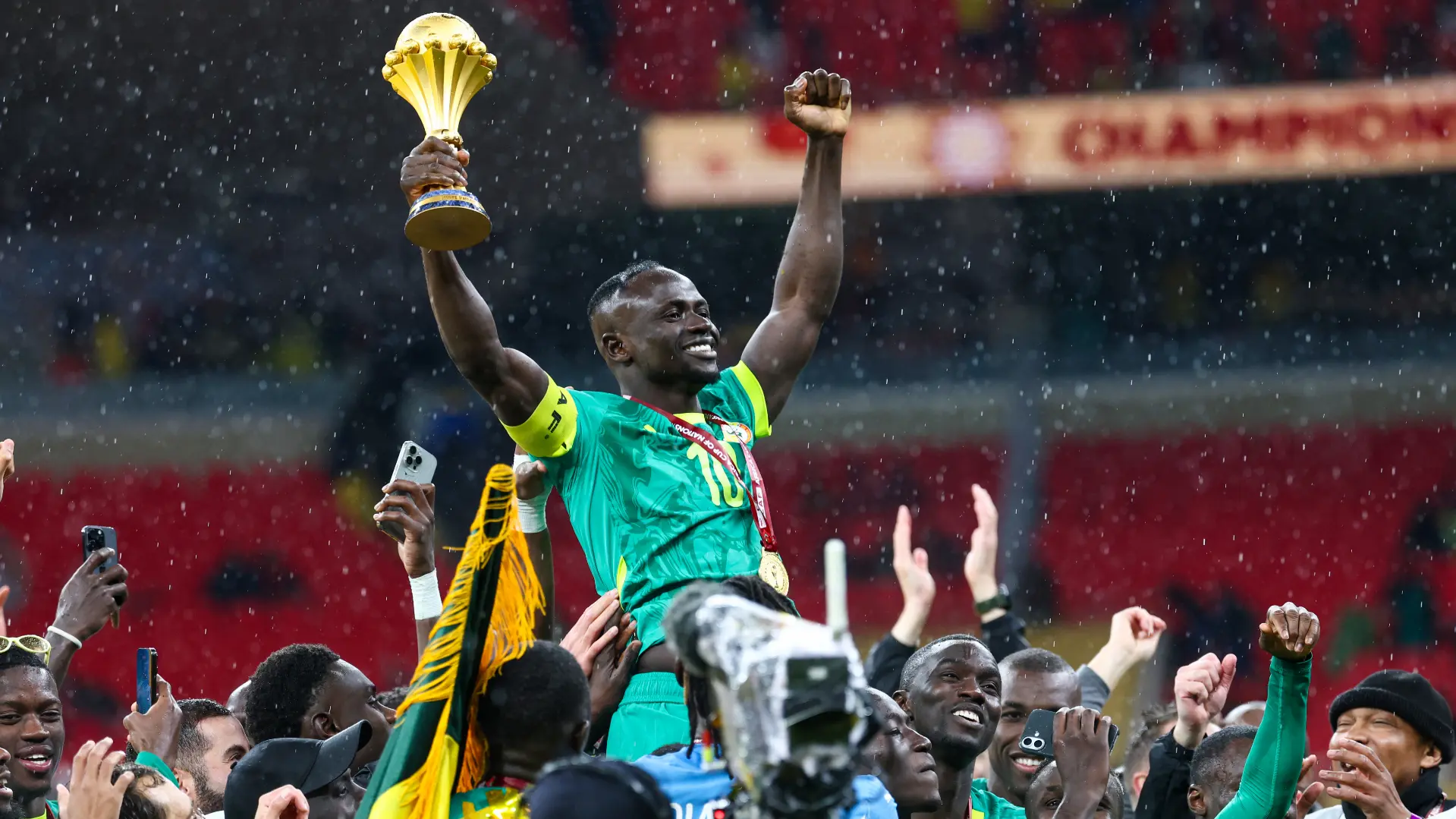
The Court of Arbitration for Sport (CAS) has reinstated Senegal as the 2025 Africa Cup of Nations champions, overturning the Confederation of African Football (CAF) Appeal Board decision that had awarded the title to Morocco after the disputed final in Rabat.
In a decision issued Tuesday, November 24, CAS upheld the appeal filed by the Senegalese Football Federation against CAF and the Royal Moroccan Football Federation. The court said the original 1-0 result after extra time would stand.
The ruling returns the trophy to Senegal after months of dispute over the extraordinary ending to the January final, which Senegal originally won on the field before CAF later overturned the result and awarded Morocco a 3-0 victory.
Why CAS overturned CAF’s decision
The dispute centered on Senegal’s temporary walk-off late in the match after Morocco was awarded a penalty. Senegalese players left the field for approximately 14 minutes before returning and completing the match. Morocco missed the penalty, and Pape Gueye later scored Senegal’s winning goal in extra time.
CAF’s Appeal Board subsequently ruled that Senegal had forfeited the match under the competition regulations, citing provisions concerning a team leaving the field without the referee’s authorization.
CAS took a different view. In its official statement, the arbitration panel said the referee’s decision to restart or definitively stop the match fell within his authority. Because the referee allowed the final to resume and the match was completed, CAS concluded that the provisions relied upon by CAF to declare a forfeit did not apply in the circumstances.
CAS also emphasized the distinction between the referee’s authority during the match and subsequent disciplinary consequences. The Senegalese federation, coach and players had already faced disciplinary measures related to the incident.
Morocco rejects the outcome
The Royal Moroccan Football Federation has rejected the CAS outcome and said it will pursue the legal avenues available to it.
The Moroccan federation also raised concerns about an alleged communication between German arbitrator Ulrich Haas, who served on the CAS panel, and Senegalese Football Federation president Abdoulaye Fall shortly before the ruling. Those allegations have been denied by the individuals and organizations concerned and should not be treated as established findings.
Morocco has also maintained that the Senegal walk-off should have triggered the competition regulations concerning a team leaving the field. The CAS ruling, however, found that the referee’s decision to resume the match was decisive in determining the sporting result.
What happens next
CAS decisions are subject to very limited judicial review. Reuters reported that Morocco may challenge the award before Switzerland’s Federal Supreme Court, which is the court with jurisdiction to review CAS awards on limited grounds.
For Senegal, Tuesday’s ruling restores the title it originally won in Rabat. For Morocco, the decision closes one stage of the dispute but does not end the federation’s stated efforts to challenge the outcome.
The controversy is likely to remain one of the most consequential disputes in African football in 2026, particularly because it raises difficult questions about the relationship between the Laws of the Game, competition regulations and disciplinary authority after a match has been completed.
WMF perspective
For World Media Feed, the CAS decision should be understood as a ruling on the legal and sporting consequences of what happened during the final—not as a finding that the events surrounding the match were insignificant. Morocco’s federation has made clear that it intends to continue pursuing the matter through the avenues it believes remain available.
WMF will continue to follow the Moroccan federation’s next legal steps and any further developments from CAS, CAF or Swiss authorities.
Sources: Court of Arbitration for Sport; Reuters; Associated Press; AFP.
About the Author