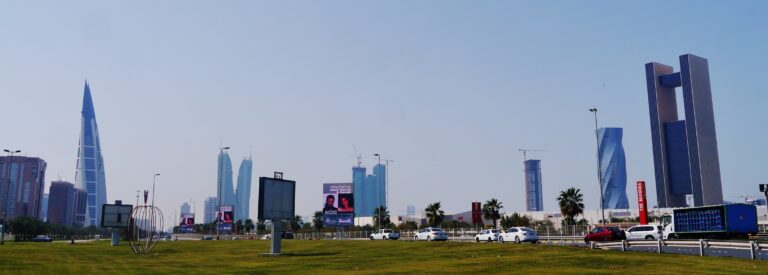
Riyadh skyline photographed from the Diplomatic Quarter on April 20, 2022. Photo: Thesadcactus, CC BY-SA 4.0, via Wikimedia Commons. Illustrative city image; not a photograph of the recent attacks.
By World Media Feed Editorial Team
Escalating attacks between Yemen’s Houthi movement and the Saudi-led coalition are putting one of the country’s most important aid and commercial gateways at risk, while widening threats to Saudi ports, aviation and energy infrastructure raise concerns about a broader regional disruption.
The coalition said it struck facilities at the Red Sea port of Hodeidah on Friday, November 20, after warning civilians to leave the area. It said the targets were operational capabilities used for smuggling and the movement of weapons and ballistic missiles. Yemen’s information minister said the port remained operational and that goods would continue to flow, Reuters reported.
Why Hodeidah matters beyond the battlefield
Hodeidah is the main entry point for food and other essential supplies reaching Houthi-controlled parts of northern Yemen. Any prolonged interruption could affect commercial imports and humanitarian deliveries in a country where millions of people depend on assistance.
The coalition’s claim that it struck military-related facilities has not been independently verified in the reporting reviewed by World Media Feed. Nor was there an independently confirmed assessment of the extent of damage to port operations or civilian infrastructure at the time of publication.
The distinction is critical. A port can remain technically open while operating under threat, with shipping companies, insurers, aid agencies and cargo operators forced to reassess whether vessels can safely approach, unload and depart.
Threats extend to Saudi ports and airspace
After the coalition’s warning and strike, Houthi military spokesperson Yahya Saree threatened Saudi Arabia’s Red Sea ports, including Jeddah, and urged shipping companies to move vessels away. He also warned international airlines to avoid most Saudi airspace, while excluding the areas around Mecca and Medina from the warning.
The coalition later said it intercepted two ballistic missiles launched toward the southern Saudi province of Jazan. It said debris fell near the Shuqaiq area. The Houthis, meanwhile, said they had attacked a power station in Shuqaiq and a port in Jazan. Those competing accounts should not be treated as independently confirmed descriptions of damage.
The threats followed a Houthi strike on Riyadh’s Public Investment Fund Tower, the capital’s tallest skyscraper, on Thursday. The attack damaged the building, according to reporting by Reuters and The Wall Street Journal; Saudi authorities reported no injuries.
A conflict with consequences for regional trade
The latest escalation adds pressure to already sensitive shipping and aviation routes around the Red Sea and the Arabian Peninsula. The threat of attacks on ports can affect vessel scheduling, insurance costs and the movement of fuel, food and manufactured goods even before a port is physically closed.
For Yemen, the stakes are more immediate. The country relies heavily on imported food and essential goods, and Hodeidah is a central route for supplies into the north. Humanitarian agencies have repeatedly warned that disruption to the port and surrounding transport links can worsen access to food, fuel and medicine.
The conflict also has implications for Saudi Arabia’s economic and security priorities. Missile and drone threats to airports, energy facilities and major commercial sites can undermine investor confidence and disrupt the kingdom’s efforts to position itself as a regional hub for tourism, transport and business.
What remains uncertain
Several key questions remain unanswered: how much damage the Hodeidah operation caused, whether the port can maintain normal cargo flows, whether airlines or shipping companies will alter routes, and whether either side will carry out further attacks on civilian-facing infrastructure.
The Saudi-led coalition says its operations target Houthi military capabilities. The Houthis frame their threats as retaliation and deterrence. Neither side’s claims about military targets or the effects of its operations should be accepted without independent corroboration.
For civilians, the most urgent measure will be whether essential goods continue to reach communities that depend on the port. For regional governments and commercial operators, the immediate test is whether the exchange of threats becomes a sustained campaign against ports, power facilities and air transport.
Sources and editorial note
This report draws on Reuters reporting on the Hodeidah strike and Houthi threats, Reuters reporting on the missile interception, Associated Press reporting on the wider conflict and The Wall Street Journal’s report on the Riyadh tower strike. Military claims are attributed to the parties that made them. World Media Feed has not independently verified the damage claims or assessed the operational status of the port.
Photo: Riyadh skyline photographed from the Diplomatic Quarter on April 20, 2022. Photo: Thesadcactus, CC BY-SA 4.0, via Wikimedia Commons. Illustrative city image; not a photograph of the recent attacks.
About the Author