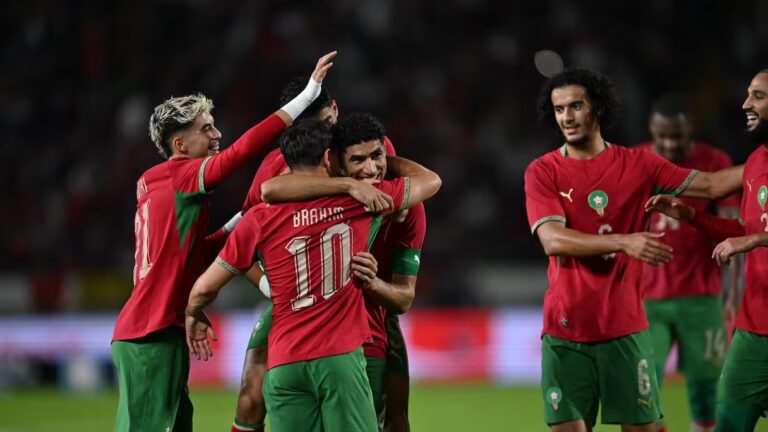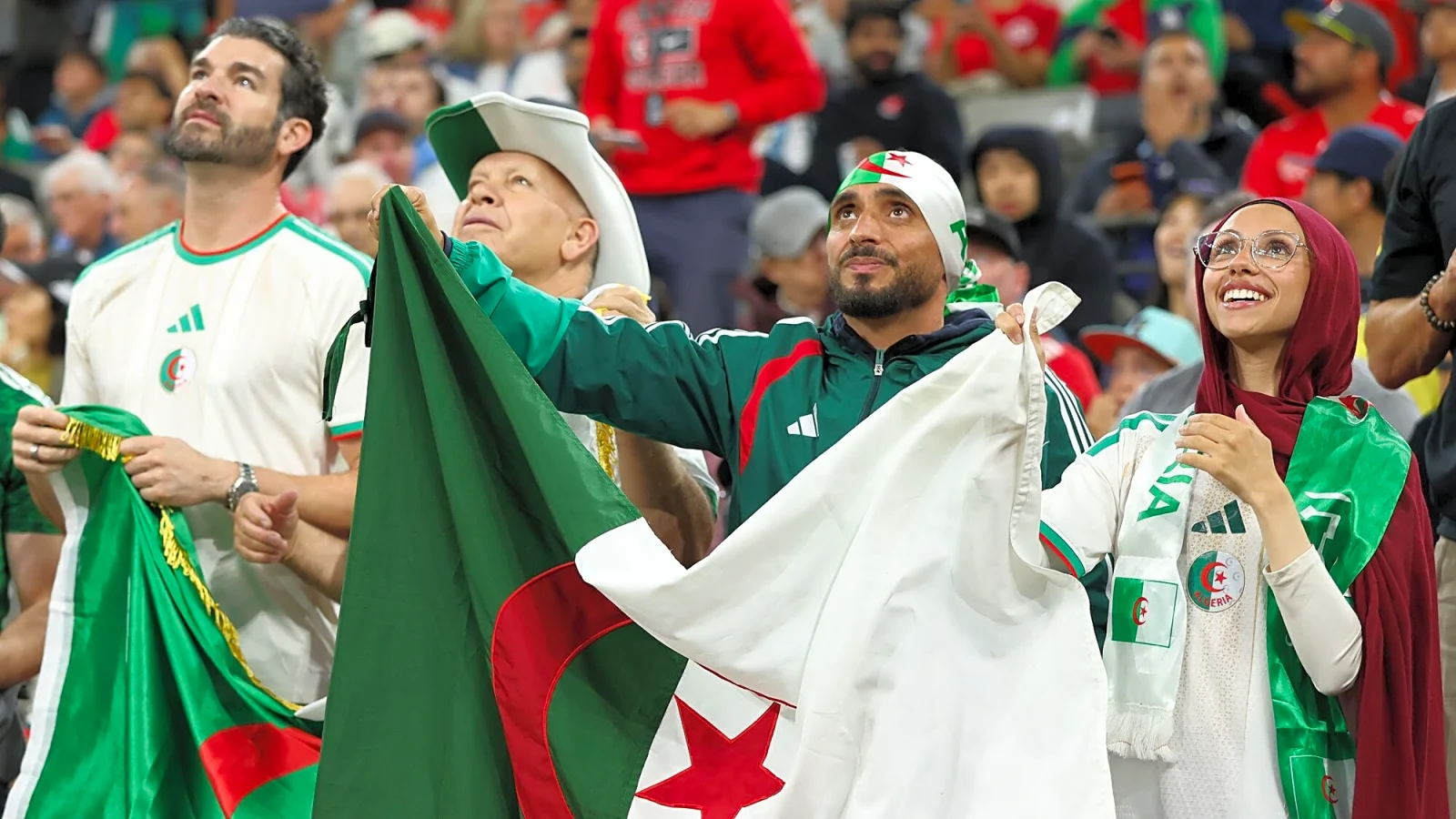
Algeria’s national football team following its international campaign. Photo credit to be added according to the original source.
A painful night in Lomé has brought a familiar debate in Algerian football back to the surface: when results go wrong, who should be held responsible?
Algeria’s 3–0 defeat to Togo on November 17 was more than a disappointing result. It was a collapse that exposed serious questions about the national team’s performance, preparation and leadership.
Togo scored three times in the first half, leaving the Algerian side unable to find a response. The defeat sparked anger among supporters, with criticism directed at the players, the coaching staff and the leadership of the Algerian Football Federation.
But something else stood out in the reaction.
For once, much of the anger was directed closer to home.
Federation president Walid Sadi became a target of criticism, alongside the national team’s management. Reports described supporters demanding accountability and calling for changes after the defeat.
The reaction raises a question that deserves attention beyond one football match: why is accountability sometimes demanded only after failure becomes impossible to explain away?
When football becomes a search for external enemies
For years, sections of the Algerian football debate have allowed sporting disappointments to spill into political accusations, including repeated criticism directed at Morocco and its football federation president, Fouzi Lekjaa.
There is nothing wrong with questioning an opponent’s decisions, challenging football authorities or debating the politics surrounding the sport. But blaming another country for a national team’s shortcomings is not an explanation for poor performances on the pitch.
Morocco does not select Algeria’s players. Morocco does not decide Algeria’s tactics, manage its training camps or determine the decisions made by its football federation.
Those responsibilities belong to Algeria’s own football institutions.
The defeat in Lomé has brought that reality into sharper focus. When a team loses 3–0, the conversation should begin with what happened on the pitch, how the team was prepared and whether those responsible are doing their jobs.
Accountability cannot be selective
Criticism of Walid Sadi and the federation is legitimate. Football leaders should be judged on their decisions, their management and the direction they give the national team.
The same standard must apply to everyone.
Players must answer for their performances. Coaches must answer for their tactics and preparation. Federation officials must answer for their leadership. Supporters, meanwhile, should be willing to examine their own expectations and the narratives they choose to believe.
There is also a difference between demanding accountability and threatening people. Anger after a humiliating defeat is understandable; intimidation and physical aggression are not acceptable responses.
The result is Algeria’s responsibility to address
A 3–0 defeat does not define an entire nation, its people or its football history. Algeria has a proud football tradition and supporters who deserve a national team capable of representing them with commitment and quality.
But pride cannot replace honest assessment.
If the problems are inside the team’s structure, the solutions must begin there too. Blaming Morocco, its officials or any outside party cannot repair defensive mistakes, improve team selection or create a stronger national side.
The lesson from Lomé should be straightforward: football accountability starts at home.
And perhaps the most important question after this defeat is not who Algerian supporters can blame next, but whether the people responsible for the national team are finally prepared to confront the problems within their own system.
World Media Feed Editorial Team
About the Author