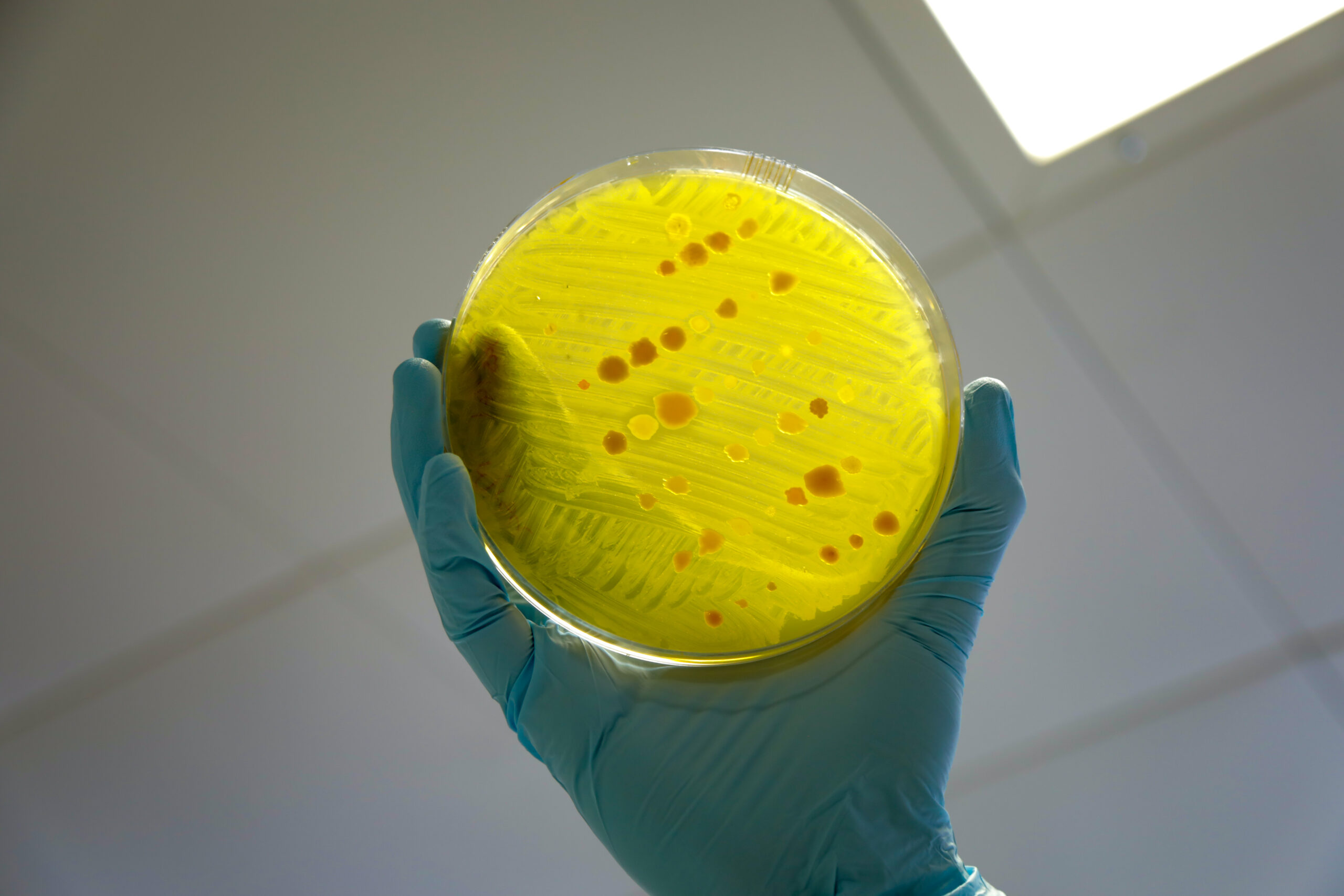
Bacterial cultures used to illustrate antimicrobial resistance testing. Photo: DFID / Will Crowne, via Wikimedia Commons (CC BY 2.0).
By World Media Feed Editorial Team
More governments are developing plans to combat antimicrobial resistance, but major gaps in diagnostic testing and treatment continue to leave patients exposed to drug-resistant infections, the World Health Organization warned in a November 16 update.
WHO said 173 countries reported having national plans to address antimicrobial resistance, more than double the 79 countries that reported such plans in 2017. But only 22% of countries said they had both the necessary funding and full implementation of their plans.
The agency’s findings draw on the 2026 Tracking Antimicrobial Resistance Country Self-assessment Survey, completed by 183 countries. The data show that formal policy commitments have expanded faster than the systems needed to deliver effective care.
Laboratory capacity is a particular concern. Only 36% of countries reported having a national reference laboratory equipped to test the selected bacteria and fungi. WHO said this falls short of the global target of 80% of countries having comprehensive bacterial and fungal resistance-testing capacity by 2030.
Without reliable diagnostics, clinicians may struggle to identify the organism causing an infection and determine which medicines are likely to work. Patients can receive ineffective or unnecessary antibiotics, while resistant infections and outbreaks may go undetected.
WHO also reported gaps in treatment guidance and surveillance. Sixty-three percent of countries said they had guidelines on appropriate antimicrobial use, while just over half reported systems to monitor national antibiotic use and resistance levels.
Antimicrobial resistance occurs when bacteria, viruses, fungi or parasites change in ways that make medicines less effective. WHO said that in 2023, approximately one in six laboratory-confirmed bacterial infections worldwide were resistant to antibiotics.
The agency has released practical tools to help countries prioritize diagnostic tests and strengthen laboratory methods. The broader challenge is turning national strategies into funded services that patients can access, particularly where health systems have limited laboratory and surveillance resources.
What the development means
Source: World Health Organization, November 16, 2026.
Source
About the Author