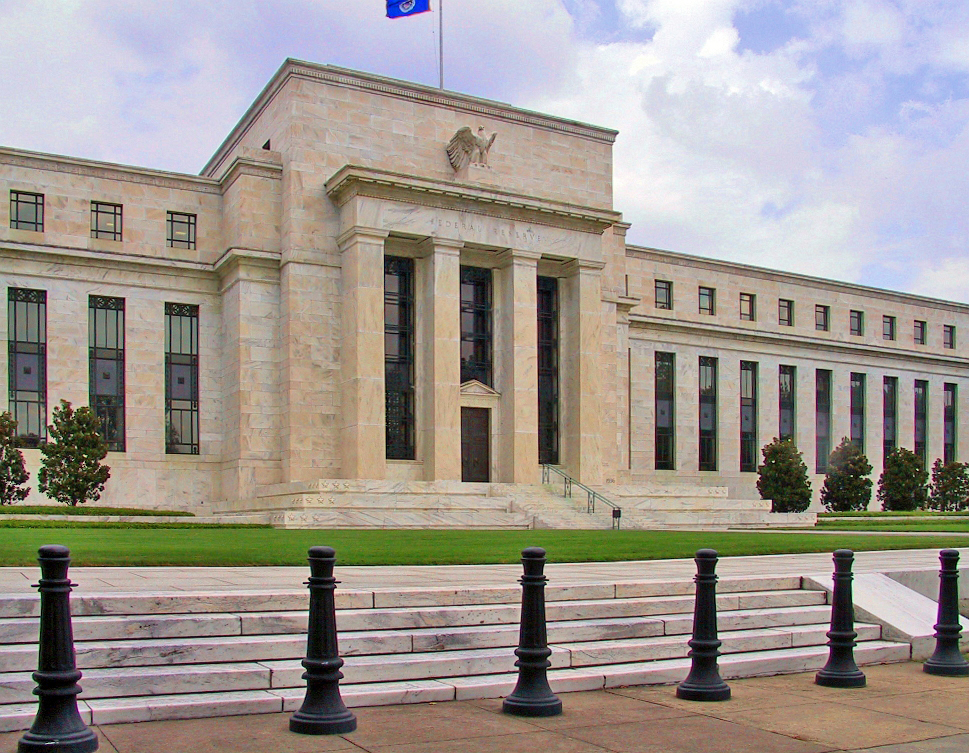
Photo: Dan Smith, Wikimedia Commons (CC BY-SA 2.5). The image shows the Federal Reserve headquarters, not Governor Lisa Cook.
Federal Reserve Governor Lisa Cook has declined to appear before a White House committee examining allegations that she made false statements on mortgage documents before joining the central bank, escalating a dispute that has become a test of the Federal Reserve’s independence.
Cook’s lawyer, Abbe Lowell, communicated the decision in a letter to White House counsel William Scharf, arguing that the committee’s process is unfair and appears designed to reach a predetermined conclusion. Cook has denied wrongdoing. The allegations have not been established as fact.
A dispute over process and presidential authority
The administration’s inquiry concerns mortgage documents connected to two properties and statements allegedly made in 2021, before Cook joined the Federal Reserve Board in 2022. President Donald Trump has sought to remove Cook since 2025, arguing that the allegations provide grounds for dismissal.
Under the law governing the Federal Reserve, a president may remove a governor only “for cause.” The Supreme Court previously blocked Trump from removing Cook while litigation over the attempted dismissal proceeds. The Court emphasized that the central bank’s independence — including the appearance of independence — is important to its institutional design.
The White House committee is made up of senior administration officials, including economic adviser Kevin Hassett and Equal Employment Opportunity Commission Chair Andrea Lucas. The administration says the panel will assess the allegations and recommend whether there is a legal basis to dismiss Cook.
Cook says she may participate under different conditions
Cook’s lawyer said she would be prepared to appear if the White House established an unbiased panel, provided the evidence with sufficient time for review and allowed a fair opportunity to respond. The dispute includes disagreement over scheduling: Cook’s legal team says proposed dates conflicted with official Federal Reserve business.
Administration officials have indicated that the inquiry could proceed without Cook and have reserved the right to draw adverse inferences from her decision not to participate. That prospect raises a further question about how the committee will evaluate a case in which the central figure disputes the fairness of the process itself.
Why the confrontation matters beyond one governor
The Federal Reserve sets U.S. monetary policy at arm’s length from day-to-day political direction. Its decisions on interest rates influence borrowing costs, employment, inflation and financial markets. A sustained fight over whether a president can remove a governor could therefore have consequences well beyond Cook’s personal position.
The central issue is not whether mortgage-related allegations should be examined; it is whether the process used to examine them meets the legal and procedural standards that apply to an independent institution. The administration’s committee has yet to issue its recommendation, and the underlying legal dispute remains unresolved.
World Media Feed will continue to distinguish the administration’s allegations, Cook’s denials and the findings of any court or official inquiry. The photograph accompanying this report shows the Federal Reserve headquarters, not Lisa Cook.
Sources
- The Associated Press: Federal Reserve’s Cook refuses to participate in White House hearing
- CBS News: Cook’s lawyer says she will not participate without changes
About the Author