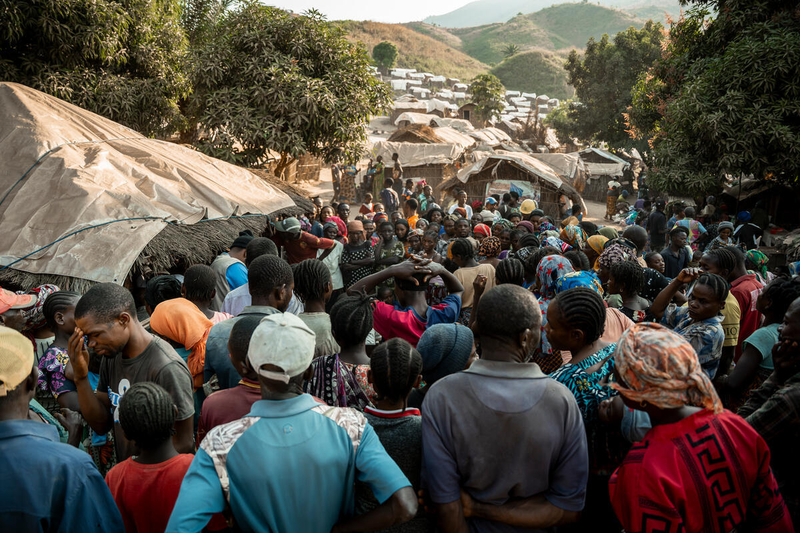
Photo: FAO/Ibrahim Rivild. Democratic Republic of the Congo, July 2026. Image illustrates the wider regional food-security crisis.
ROME, November 27, 2026 — Acute food insecurity is expected to deteriorate across 16 global hotspots over the next six months, with conflict, displacement, economic pressures and an intensifying El Niño adding to the risks, the Food and Agriculture Organization of the United Nations (FAO) and the World Food Programme (WFP) warned on Friday.
The agencies’ latest Hunger Hotspots outlook covers December 2026 through May 2027 and identifies five areas of highest concern: Sudan, South Sudan, Somalia, northern Nigeria and Yemen. The number of hotspots has risen from 13 in the previous report issued in June.
Conflict remains the leading driver
Conflict and armed violence are identified as major drivers in 12 of the 16 hotspots. Fighting disrupts farming, trade routes, markets and humanitarian access, while displacement leaves families with fewer ways to secure food and income.
The report identifies a risk of famine in 13 areas of Sudan’s North Darfur and South Kordofan through January 2027 under a reasonable worst-case scenario. It also points to famine risk in parts of South Sudan. These are risk assessments, not declarations that famine conditions have been confirmed across those areas.
El Niño adds pressure on crops and livelihoods
Weather-related threats are compounding the crises. FAO and WFP say El Niño has helped push Southern Africa, northeastern Uganda and the Central American Dry Corridor onto the hotspot list. Hotter, drier conditions could damage planting and harvests in parts of Southern Africa, while other areas face the prospect of damaging rainfall and flooding.
The agencies project that up to three million people in Zimbabwe, 2.6 million in Malawi and 1.8 million in Mozambique could face high levels of acute food insecurity through March 2027. In Guatemala, 3.2 million people are projected to face high levels of acute food insecurity between October 2026 and February 2027, following severe crop losses during the first 2026 growing season.
New hotspots and shrinking humanitarian resources
Chad, northeastern Uganda, Southern Africa and the Central American Dry Corridor are among the additions to the latest list. Afghanistan, the Democratic Republic of the Congo, Haiti and Palestine are classified as hotspots of very high concern. The agencies say food security gains in Gaza remain fragile.
Funding is another concern. FAO said humanitarian assistance for food security and nutrition in the five highest-concern hotspots fell from $5.1 billion in 2022 to $2 billion in 2025, a decline of 62 percent. The agencies warn that inadequate resources can weaken both emergency support and the monitoring needed to identify worsening conditions.
Agencies urge early action
FAO and WFP are calling for urgent, coordinated assistance, safe and unimpeded humanitarian access, and early support for farmers and vulnerable households. Their message is that action before crops, livestock and incomes are lost can help prevent a food crisis from escalating into catastrophe.
The 16 hotspots are not all assessed at the same level of severity. The agencies’ classifications are forward-looking warnings intended to guide prevention and response, rather than a claim that every location faces famine.
Sources
- FAO — Joint FAO/WFP news release, November 27, 2026
- World Food Programme — Hunger Hotspots outlook, December 2026–May 2027
- Reuters — UN warns famine risks rising as hunger hotspots increase, November 27, 2026
World Media Feed Editorial Team
About the Author