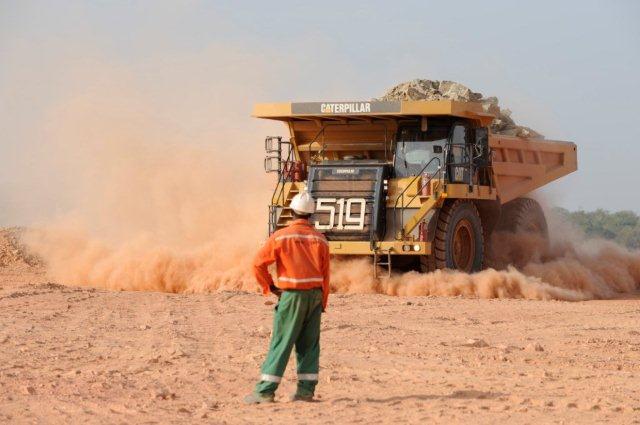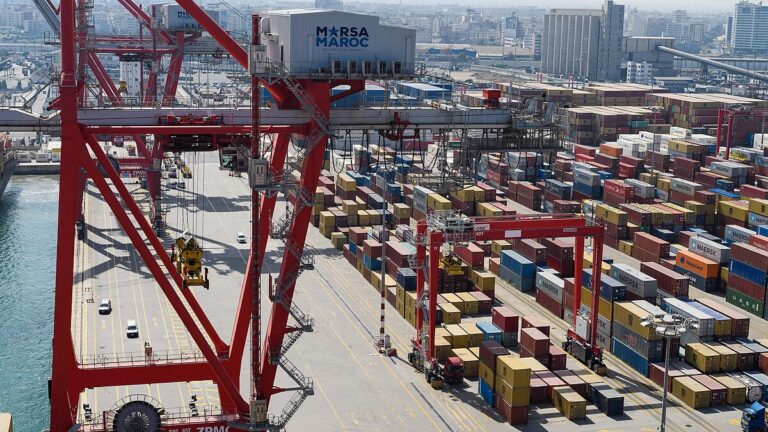
Gold Refinery Hall at the University of Mines and Technology in Tarkwa, Ghana, photographed in 2014. Photo: Enock4seth / Wikimedia Commons, CC BY-SA 4.0. Used as an archival illustration; not a photograph of the new West African refinery projects.
DAKAR, November 28, 2026 — West African governments are rapidly expanding domestic gold-refining capacity in an effort to retain more mining revenue at home, but the investment boom is creating a new challenge: the region may have more refinery capacity than available gold to process.
Since 2024, Ghana, Guinea, Mali and Burkina Faso have launched or announced major refining projects with combined annual capacity of more than 1,000 metric tons, compared with estimated regional gold production of about 585 tons, according to a Reuters report published November 24.
Governments seek greater control over gold
The refining push is part of a broader effort to keep more of the gold value chain inside Africa. Governments want to reduce dependence on established trading hubs such as Dubai, strengthen domestic reserves and formalize parts of the artisanal mining sector.
Ghana, Africa’s largest gold producer, has expanded domestic gold purchases and is planning another refinery with a proposed capacity of 600 tons a year. Guinea is also developing a domestic refining system and says it wants to build a more transparent and traceable gold ecosystem.
Capacity may outpace supply
Industry executives interviewed by Reuters warned that the economics of gold refining are different from those of processing commodities such as bauxite or iron ore. Much of gold’s value is already captured before refining, leaving refiners dependent on scale, reliable feedstock, certification and access to major bullion markets.
The result could be competition among refineries for the same supply of responsibly sourced gold. Facilities that cannot secure enough material may operate below capacity, reducing returns for investors and governments.
Certification is another hurdle
Access to international bullion markets can also depend on London Bullion Market Association certification. Without recognized Good Delivery accreditation, some refineries may face difficulties selling to major banks, traders and central banks at competitive prices.
Reuters reported that miners in Guinea have already been stockpiling gold as they adapt to new domestic-refining requirements. Questions about refining fees, settlement terms and marketing arrangements have also raised concerns that locally refined gold could trade at a discount.
A strategic bet beyond refinery profits
Governments argue that the value of domestic refining cannot be measured only by refinery margins. They see local processing as part of a larger strategy involving traceability, national reserves, employment and greater control over the gold supply chain.
The challenge will be turning that strategy into commercially sustainable operations. Power supply, infrastructure, technical skills, capital and international market access will all determine whether the new facilities become profitable industrial assets or remain underused.
World Media Feed will continue tracking West Africa’s resource-nationalism drive and its impact on mining, investment and global gold markets.
Source: Reuters, November 24, 2026.
Image note: Featured image shows the Gold Refinery Hall at the University of Mines and Technology in Tarkwa, Ghana, photographed in 2014. It is an archival illustration and does not depict the newly announced projects. Photo: Enock4seth / Wikimedia Commons, CC BY-SA 4.0.
About the Author