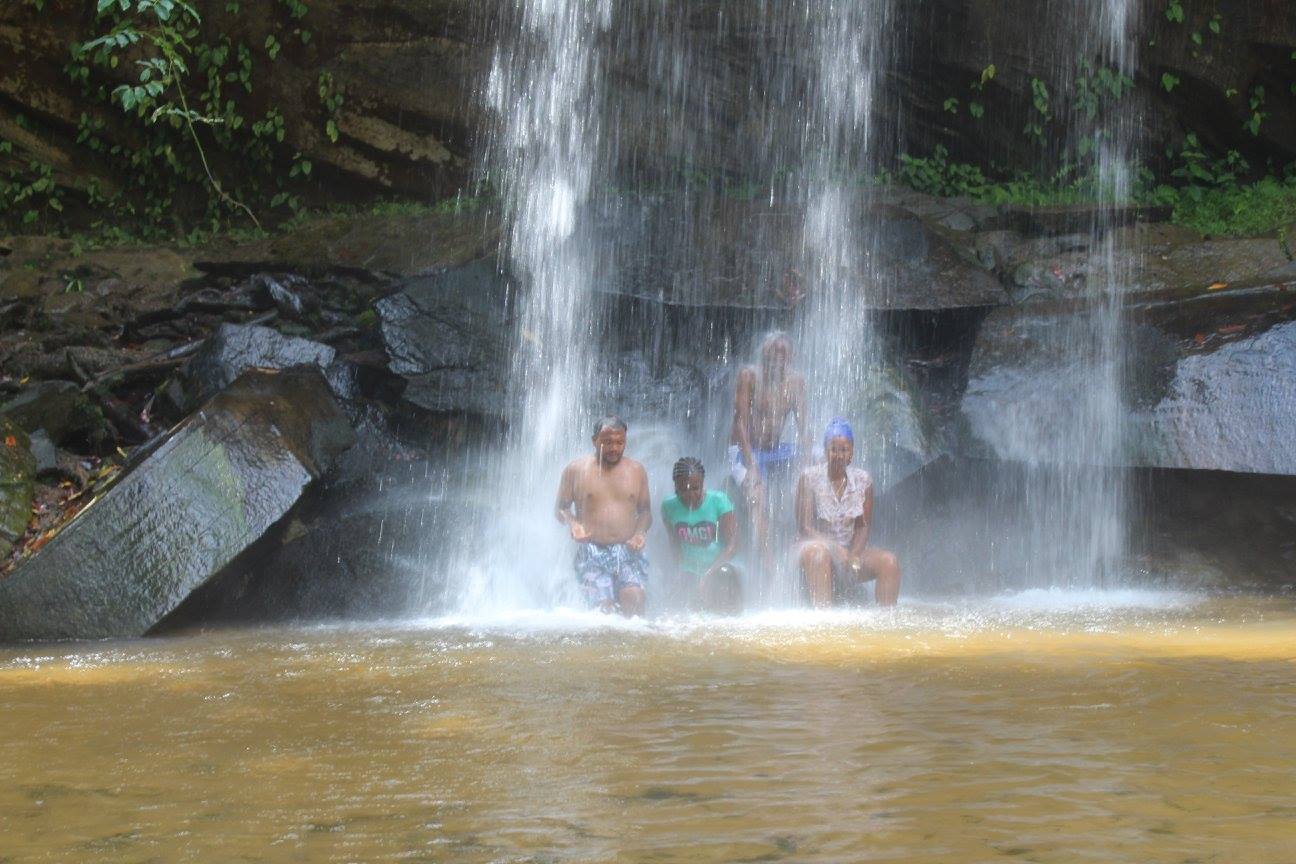
Illustrative photograph of the coastal forest landscape at Shimba Hills, Kenya, not Mrima Hill. Photo by ChinkuTravels, December 26, 2017, licensed CC BY-SA 4.0.
Kenya’s selection of a U.S.-led consortium to pursue the development of rare earth and niobium deposits at Mrima Hill has intensified a debate over who will benefit from the country’s critical-minerals ambitions — and how the project could affect local communities, farmland and a forest regarded as sacred by the Digo people.
The Ministry of Mining announced on November 19 that Frontier Minerals Consortium had been selected as the preferred bidder for the project in Kwale County. The consortium includes U.S. companies Frontier Minerals, Bunker Hill Mining, ReElement Technologies and American Resources Corporation. The decision is part of a wider effort by Kenya and international partners to develop alternatives to mineral supply chains dominated by China.
Preferred bidder does not mean mining licence
The Kenyan government has stressed that the tender decision is not a mining or prospecting licence. The consortium must engage with communities, obtain the required consents and apply for a prospecting licence before exploration can proceed. The ministry’s tender notice identifies an area of about 31.93 square kilometres at Mrima Hills in Kwale County for niobium and rare earth minerals.
Frontier says its proposed approach would include exploration, resource verification, metallurgical testing and a feasibility study. It has also proposed developing processing and refining capacity in Kenya, rather than exporting only unprocessed ore. Those plans remain conditional on licensing, community engagement, technical studies, environmental approvals and financing.
Residents seek information and safeguards
Residents and community representatives have told the Associated Press that they want more information about the project before they can assess or consent to it. Farmers are concerned about possible impacts on land and livelihoods, while Digo elders have warned that mining could damage a forested sacred site where ancestors are buried.
The Mrima Hill Sacred Grove was designated a national monument in 1992. The Associated Press has reported that community advocates are asking the government to publish the project proposal and clarify how any mining activity could comply with the site’s protected status. The questions are significant because an earlier attempt to develop the deposit was blocked after an environmental assessment was rejected.
Kenya’s mining ministry says the selected consortium must engage local communities and obtain the necessary consents. The government has also said that the selection of a preferred bidder precedes the formal licensing and consent process. The precise terms of any community agreement, compensation arrangements and environmental safeguards have not yet been established publicly.
Strategic minerals draw international interest
Rare earth elements are used in permanent magnets, electric vehicles, wind turbines and defence technologies. Niobium is used in high-strength steel and specialised alloys, including applications in aerospace. Governments are seeking more diversified supplies as they try to reduce exposure to concentrated processing capacity and geopolitical disruption.
Reuters reported that Kenya’s preliminary assessments suggest the Mrima Hill area may contain mineral deposits worth tens of billions of dollars. Those headline estimates should not be confused with a confirmed, economically recoverable resource. The consortium itself has described historical resource estimates as requiring verification and says further drilling and technical work would be needed.
Two rival bidders have indicated they may challenge the tender outcome, according to Reuters. The process therefore faces both local scrutiny and potential procurement disputes as it moves toward the next stage.
Balancing investment with community rights
The project presents Kenya with an opportunity to attract investment, build local processing capacity and participate in supply chains for minerals considered strategically important. But the commercial case will depend on more than the size of the deposit: environmental approvals, infrastructure, technical feasibility and the costs of extraction and refining will all matter.
Equally important will be whether affected communities receive timely information, meaningful participation and credible protections for land, livelihoods and cultural heritage. A process that is seen as excluding local residents could face legal and social resistance even if the project proves commercially attractive.
For now, Frontier’s selection is an early step in a long process, not the start of an approved mine. The next milestones will be community engagement, the licensing process and independent environmental and technical assessments. How those steps are handled may determine whether Mrima Hill becomes a model for responsible critical-minerals development — or a new source of conflict over land and heritage.
Sources
- Reuters — Kenya picks U.S. consortium to develop Mrima Hill critical minerals project (November 19, 2026).
- Associated Press — Kenya picks U.S. consortium for critical minerals project as residents seek answers (November 19, 2026).
- Daily Nation — Mrima Hill: The riches underground and the fears above (November 23, 2026).
- Kenya Ministry of Mining — Public notice designating the Mrima Hills tender area.
- Bunker Hill / Frontier consortium — Project proposal and conditional work programme (November 20, 2026).
Featured image: Lugard Falls in the Shimba Hills area of coastal Kenya, not Mrima Hill. Used as a regional illustrative image. Photo by ChinkuTravels, December 26, 2017, licensed CC BY-SA 4.0. Original image and licence details.
About the Author