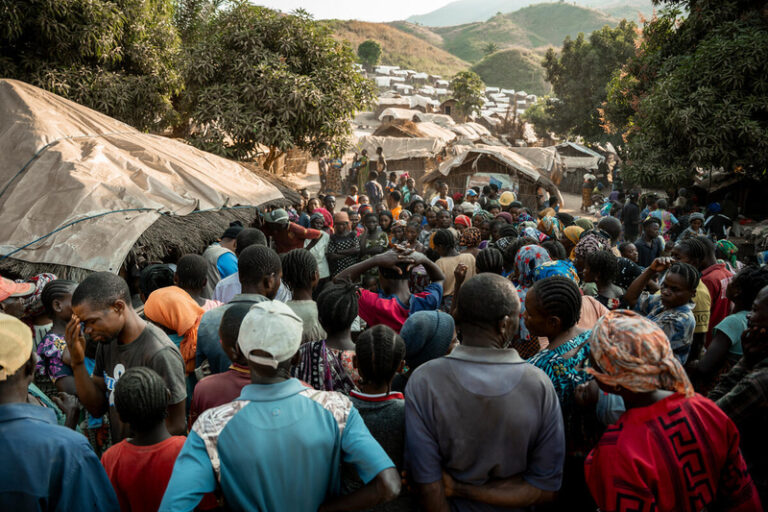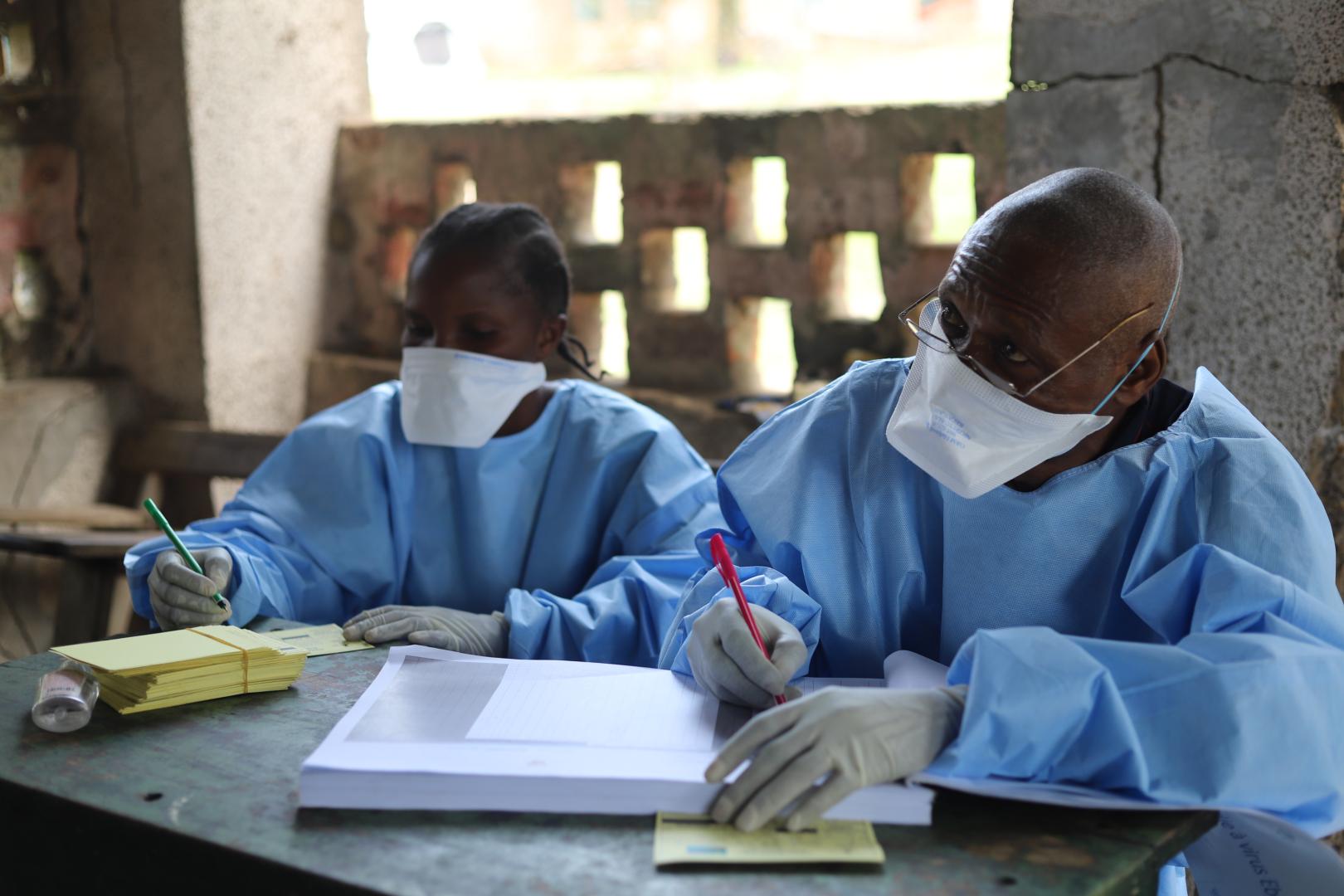
Archival photograph: health workers documenting field information during an Ebola response. Photo: WHO Regional Office for Africa. This image is illustrative and does not depict the current outbreak's specific locations or events.
The Ebola outbreak in the Democratic Republic of Congo has surpassed 12,000 confirmed cases, with more than 5,900 deaths reported, as insecurity and attacks on health facilities continue to obstruct efforts to contain the epidemic, the World Health Organization said Friday.
In an update issued on November 27, WHO said the DRC had reported 12,021 confirmed cases and 5,904 deaths as of November 24. The outbreak is caused by Bundibugyo virus, a rare Ebola species for which there are no approved vaccines or treatments.
WHO keeps international emergency status in place
WHO Director-General Tedros Adhanom Ghebreyesus determined on November 25, following advice from the International Health Regulations Emergency Committee, that the outbreak continues to constitute a Public Health Emergency of International Concern.
The agency said the committee called for faster clinical trials of candidate vaccines and treatments while maintaining scientific, ethical and safety standards. It also stressed the importance of community engagement and transparent communication about how trials are designed and conducted.
Insecurity is obstructing the response
WHO said insecurity remains a major obstacle to controlling transmission, affecting humanitarian access and the safety of patients, health workers, responders and medical facilities. The agency has verified at least 94 attacks on health care in the DRC since the outbreak was declared a Public Health Emergency of International Concern six months ago.
Violence and access constraints can delay case detection, interrupt contact tracing and make it harder to provide supportive care. WHO has urged stronger infection prevention in health facilities, earlier diagnosis and faster access to care for people who develop symptoms.
Outbreak has spread across several provinces
The epidemic was declared in May 2026 and has affected multiple provinces in eastern and northeastern Congo. WHO’s latest update said intensified action is needed in areas where new cases are being reported or community transmission is increasing.
The outbreak has also involved cases outside the DRC. WHO’s regional reporting lists confirmed cases in Kenya and Nigeria, while emphasizing targeted surveillance and preparedness measures for countries that may be exposed through cross-border travel. The agency said those measures should protect public health without unnecessarily disrupting international travel and trade.
What comes next
WHO’s recommendations call for earlier identification of infections, stronger prevention of transmission in health-care settings and communities, and continued support for affected families. The agency also says response teams need safe access to communities and sustained cooperation from local leaders.
With transmission continuing and the death toll rising, the outbreak presents a difficult test for health authorities and humanitarian organizations. WHO says accelerating the response while protecting health workers and maintaining community trust will be essential to stopping further spread.
Sources
- World Health Organization — Updated Ebola response recommendations (November 27, 2026)
- WHO — Daily epidemiological update on acute public health events
- Reuters — Congo’s Ebola cases exceed 12,000 as responders struggle to contain outbreak (November 26, 2026)
Image note: The featured photograph is an archival WHO Regional Office for Africa image of health workers documenting Ebola response activities. It is illustrative and does not depict the current outbreak’s specific locations or events.
About the Author