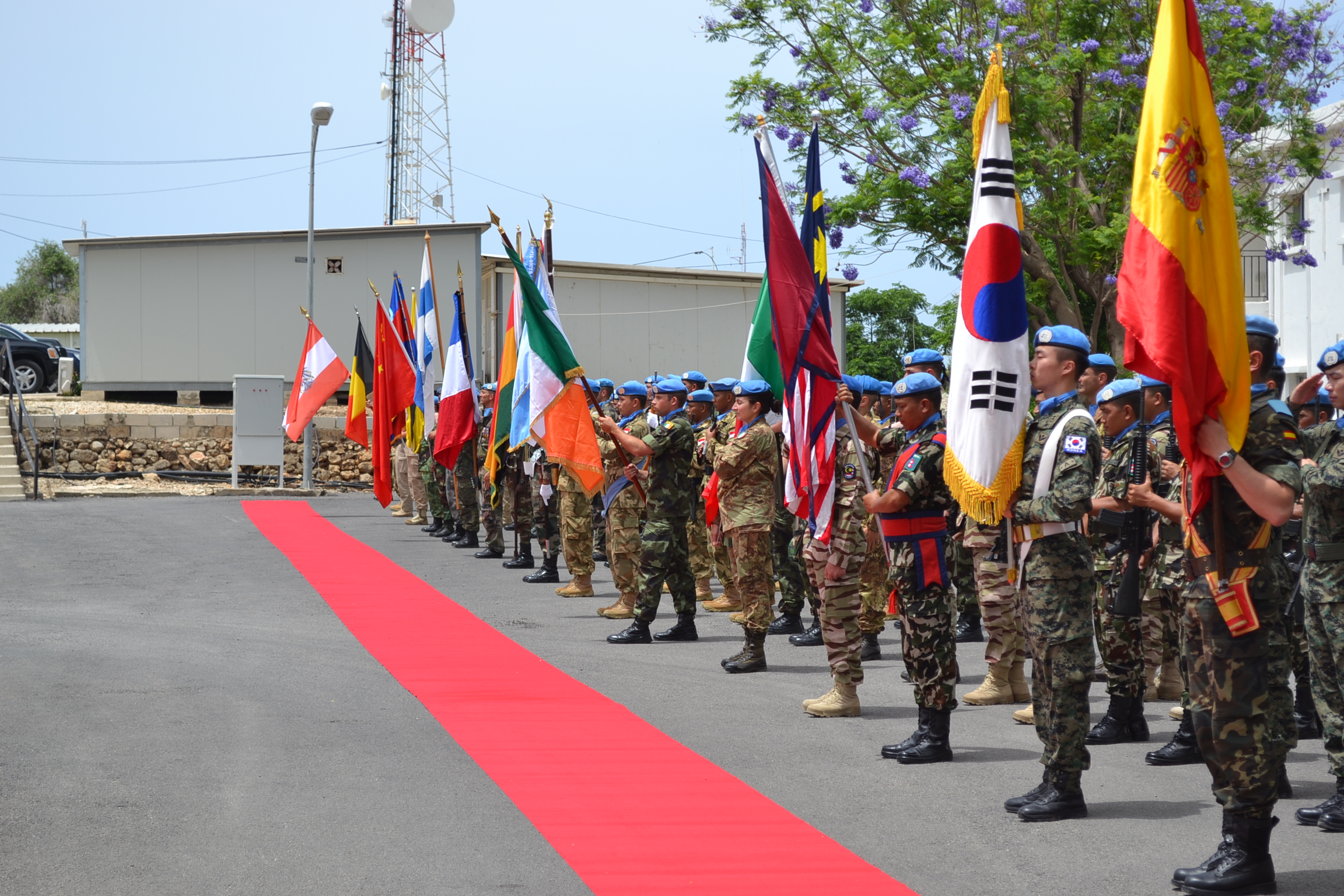
Archival photograph of UNIFIL peacekeepers, May 29, 2013. Photo: Irish Defence Forces / Óglaigh na hÉireann. CC BY 2.0.
France is preparing a proposal that could allow United Nations peacekeepers in southern Lebanon to continue selected duties after their nearly 50-year mission mandate expires at the end of December, Lebanese Prime Minister Nawaf Salam told The Associated Press on Friday.
The proposal comes as Lebanon faces uncertainty over security arrangements along its southern border, where tensions involving Israel and Hezbollah remain high and no agreed replacement force is in place.
France preparing a Security Council proposal
Salam told AP that France is preparing a draft resolution for the U.N. Security Council. It would allow the U.N. Interim Force in Lebanon, known as UNIFIL, to continue certain functions during a transition and drawdown period.
The tasks under discussion include mine clearance, escorting humanitarian convoys and monitoring violations. Salam said U.S. officials had indicated Washington could be open to considering such an arrangement.
The Lebanese prime minister said a temporary continuation of selected duties would give officials more time to agree on a future security framework. France has not publicly commented on the proposal, according to AP.
What happens when the mandate expires?
UNIFIL was established in 1978. In August 2025, the Security Council decided that the mission’s mandate would end on December 31, 2026, followed by an orderly drawdown and withdrawal of personnel within one year.
The Council’s resolution also sets out limited functions for UNIFIL during the withdrawal period, including protecting U.N. personnel and facilities and supporting the safe drawdown. The French proposal described by Salam concerns selected mission activities during this transition.
About 7,500 peacekeepers are currently deployed in southern Lebanon. The future of the mission matters because there is no final agreement on a replacement arrangement or on how security responsibilities will be handled after the withdrawal.
Security concerns remain in southern Lebanon
The uncertainty comes amid unresolved tensions between Israel and Hezbollah. A June agreement envisaged Israeli forces gradually withdrawing and the Lebanese army taking a greater role, alongside the disarmament of Hezbollah. Implementation has stalled, AP reported.
Israel has said it will not withdraw before Hezbollah is disarmed. Hezbollah has opposed being forcibly disarmed, while the Lebanese government says any international force deployed in the south must have Security Council endorsement.
A transition with regional implications
UNIFIL has monitored the situation along the Israel-Lebanon line for decades and has helped facilitate humanitarian movements and communication between the parties. Its departure without a workable successor could complicate efforts to prevent renewed escalation.
Any new arrangement will require Security Council action. The proposal is still being prepared; it has not been adopted, and there is no confirmed agreement to extend UNIFIL’s existing mandate.
What to watch: Whether France formally submits its proposal, how the United States and other Security Council members respond, and whether Lebanon can agree on a durable security framework with international backing.
Sources: Associated Press interview with Lebanese Prime Minister Nawaf Salam, November 27, 2026; U.N. Security Council Resolution 2790 (2025). The featured image is an archival photograph of UNIFIL peacekeepers from 2013, not a current photograph of the proposal or deployment.
About the Author