WASHINGTON — November 26, 2026 — A widening difference between federal and state measles death figures is raising questions about how the United States counts fatalities linked to the disease, as the country confronts its largest outbreak in decades.
The Centers for Disease Control and Prevention reported nine measles-related deaths in 2026 as of November 25. However, publicly reported figures from state health authorities indicate at least 14 deaths this year, according to a Reuters review of state data.
The difference does not necessarily mean that one set of figures is incorrect. Federal and state authorities are using different reporting approaches, making the distinction important when communicating the scale of the outbreak.
What the federal figures show
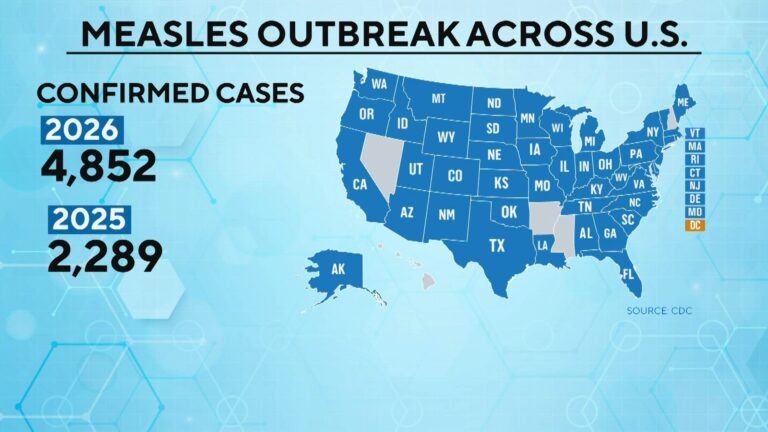
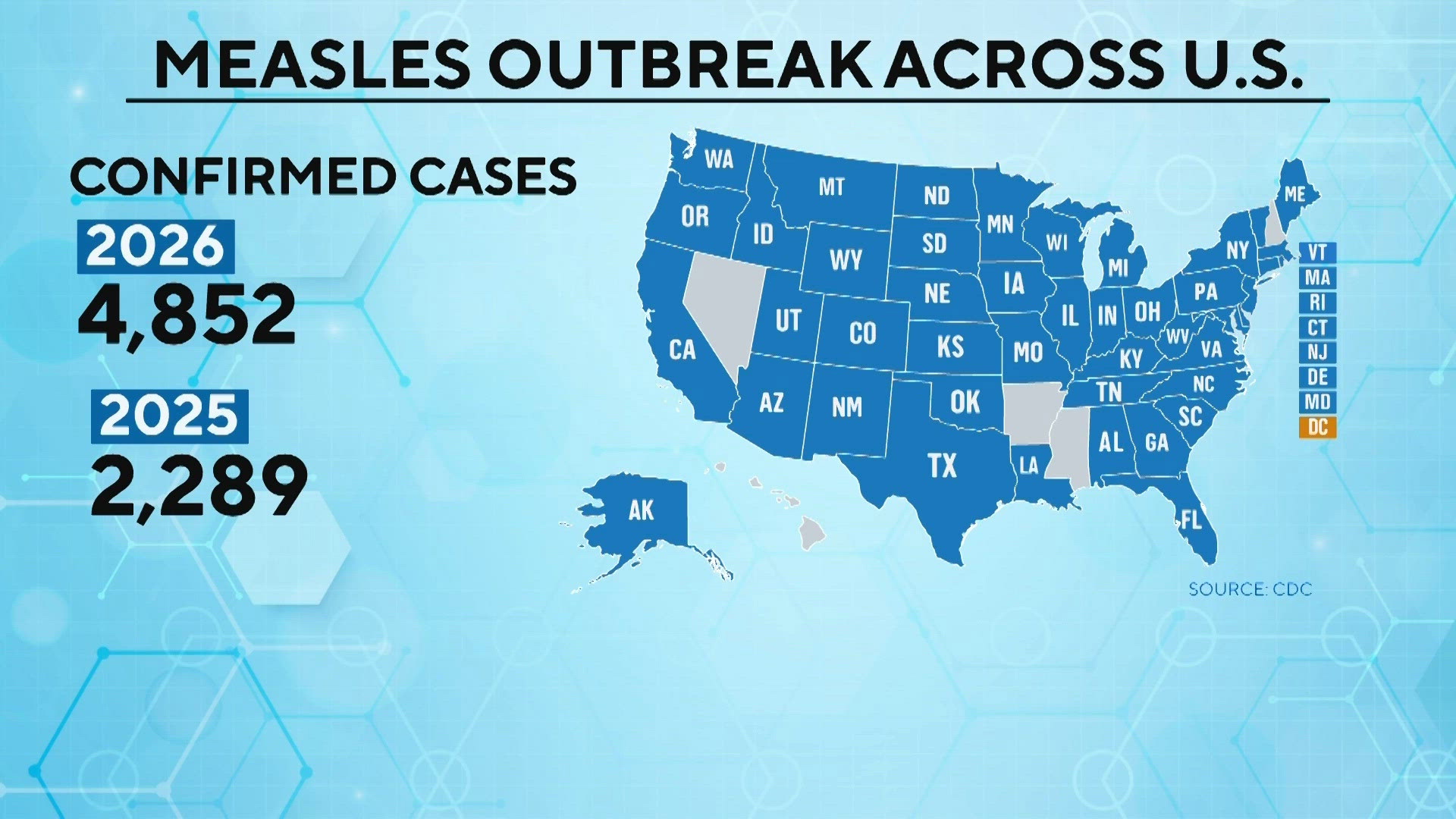
According to the CDC, 6,039 confirmed measles cases had been reported across 47 U.S. jurisdictions as of November 24. The total includes 18 cases among international visitors. The agency also reported that 671 patients had been hospitalized.
The CDC’s death count is based on mortality information reviewed by the National Center for Health Statistics. The agency says a death is included when measles is identified as the underlying cause on the official death certificate. The CDC has noted that its total may change as additional information is reviewed.
Why state and federal totals differ
State health departments may report deaths associated with a recent measles infection using their own public-health surveillance criteria. The CDC’s national mortality count applies a separate process focused on the underlying cause recorded on death certificates.
Reuters reported that state figures available on November 25 included nine deaths in Pennsylvania, three in Wisconsin, and one each in Virginia and New York. Together, those reports amount to at least 14 deaths, compared with the CDC’s federal total of nine.
The Public Health Communications Collaborative has also explained that state and federal totals can differ because states typically count deaths occurring within 30 days of a confirmed measles infection unless another cause is identified, while the CDC’s national figure relies on the National Center for Health Statistics’ underlying-cause determination.
A major outbreak and a public-information challenge
The case total reported by the CDC is the highest annual U.S. measles count in 35 years, according to Reuters. The outbreak has been driven largely by infections among people who are unvaccinated or whose vaccination status is unknown. The United States also recently lost its measles elimination status.
Measles is highly contagious and can cause serious complications, particularly in young children. CDC data showed that children under five had the highest hospitalization rate among reported age groups, at 17 percent.
Public-health experts say inconsistent totals can make it harder for the public to understand the outbreak’s impact. The figures also underline the importance of explaining what each count measures, rather than presenting different totals as if they were directly interchangeable.
What happens next
The CDC says it is working with the Council of State and Territorial Epidemiologists to develop a standardized case definition for deaths due to measles. A common approach could help improve consistency between state surveillance and national mortality reporting.
For now, the federal and state figures should be read with their respective definitions in mind. The CDC’s nine deaths represent its current national mortality count, while the 14 figure reflects deaths publicly reported by states under their own surveillance practices.
World Media Feed Editorial Team
Sources: U.S. Centers for Disease Control and Prevention; Reuters, November 25, 2026; Public Health Communications Collaborative. Figures reflect information available at publication and may be updated by health authorities.
CDC: Measles Cases and Outbreaks · Reuters: U.S. CDC reports nine measles-related deaths in 2026 · Public Health Communications Collaborative: Measles outbreak data
About the Author