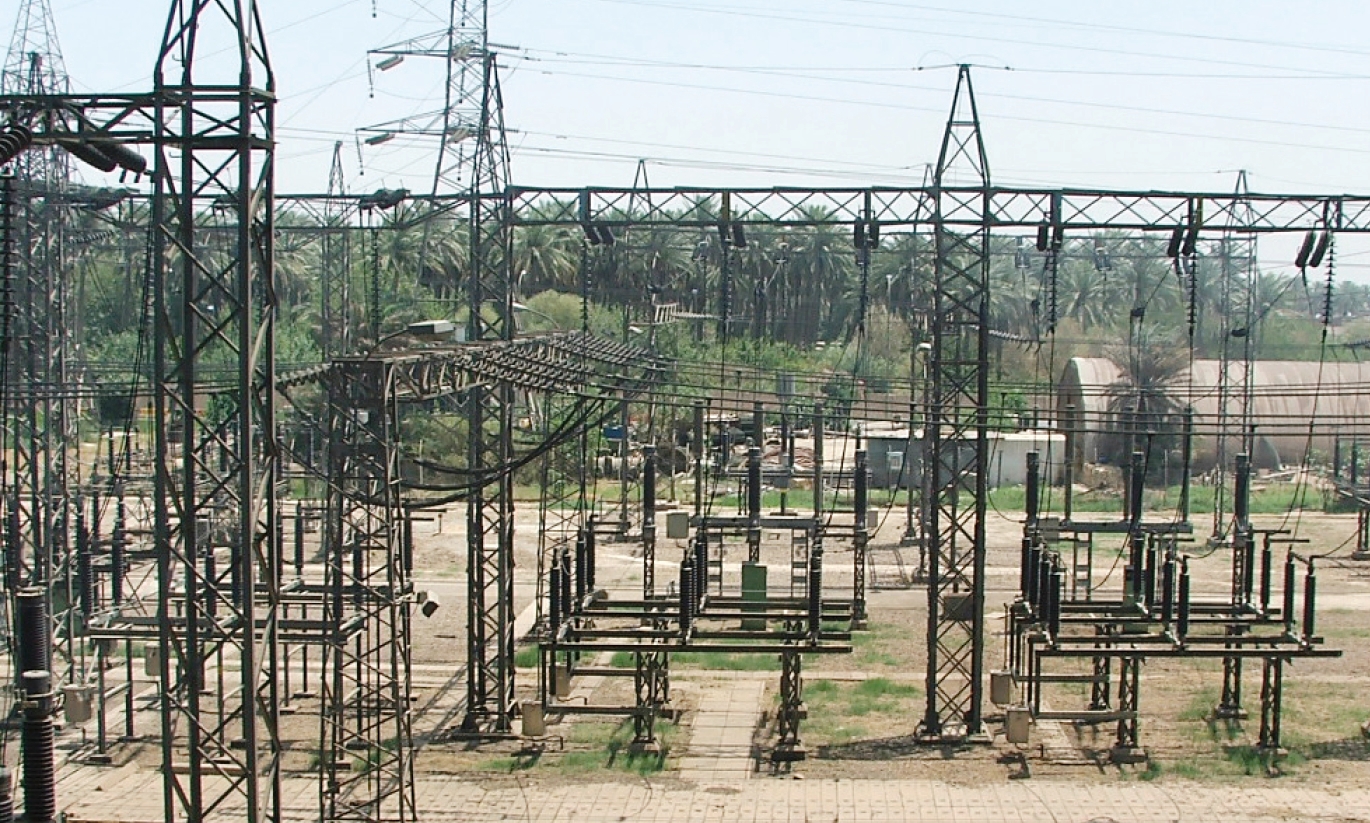
Archive photograph of an electricity transformation substation in Iraq, 2007. Source: Special Inspector General for Iraq Reconstruction (SIGIR) report photographs; U.S. federal government work, public domain. This is not the Hartha power station or the site of the November 2026 fire.
By World Media Feed Editorial Team
BASRA, Iraq — Iraqi authorities are investigating whether previously identified safety violations contributed to the deadly gas-pipeline explosion at the Al-Hartha power station, after Iraq’s Civil Defence Directorate disclosed that it had warned the facility about deficiencies months before the November 21 disaster.
The disclosure, reported by Iraq’s state-owned Al-Sabah newspaper on Sunday, adds a significant new dimension to the investigation. Civil Defence officials said they had documented safety shortcomings at the station and formally notified its management in March 2026. The newspaper reported that the required corrective measures had not been completed before the explosion.
Warnings reportedly issued in March
According to Al-Sabah’s November 22 report, the Civil Defence Directorate had sent an official notice dated March 24, 2026, identifying several measures that needed attention at the Hartha facility.
The reported recommendations included removing non-compliant structures built with sandwich-panel materials, updating fire detection and early-warning systems, and strengthening on-site firefighting capacity with additional specialized equipment. Civil Defence officials told the newspaper that those requirements had not been implemented by the time the gas pipeline ruptured.
These are reported findings and statements from Iraqi officials, not a final determination that the alleged deficiencies caused the explosion. The cause of the pipeline failure remains subject to the official investigation.
Casualty figures changed as hospitals treated victims
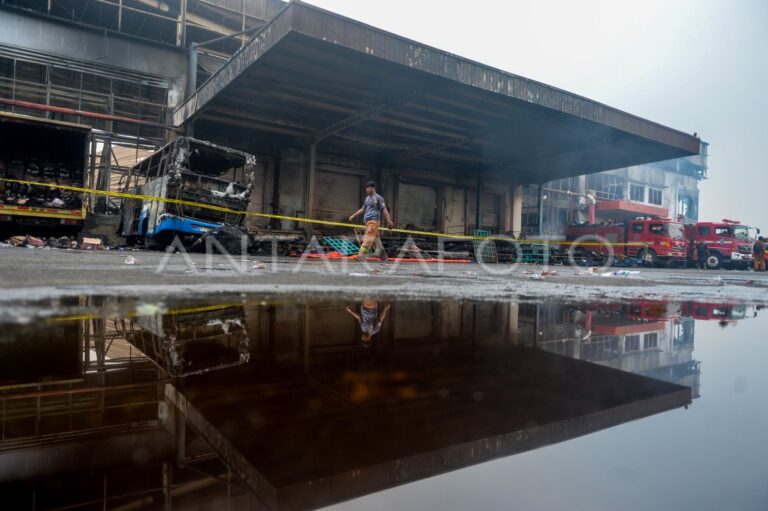
The explosion and fire occurred early on Saturday, November 21, at the power station north of Basra. The blaze spread to nearby homes and vehicles, with many victims suffering burns or smoke inhalation.
Initial statements from the Security Media Cell reported four deaths and 35 injuries. A later update from the Health Ministry, carried by Rudaw and cited in Al-Sabah’s report, gave a higher injury figure: approximately 46 people had been injured, with 17 discharged from hospital and three remaining in intensive care at the time of the update. The changing totals reflect updates from different authorities as medical assessments continued.
Al-Sabah reported that 15 specialized firefighting teams responded to the emergency. Civil Defence officials said crews rescued residents, evacuated people from nearby homes and brought the fire under control.
Government and parliament open separate reviews
Prime Minister Ali al-Zaidi ordered an urgent investigation to establish the circumstances of the explosion and determine responsibility. He also directed health authorities and Basra officials to provide treatment to the injured and said compensation would be provided to affected families, according to Rudaw’s account of the government response.
Iraq’s Parliamentary Electricity and Energy Committee announced that a subcommittee would visit the site on Sunday, November 22, to examine the incident, identify possible deficiencies and assess the safety measures in place. The committee said it would coordinate with relevant authorities and follow up with the families of those killed and injured.
The Electricity Ministry also convened an emergency meeting to assess damage and the impact on the station’s operations. As of the latest reports reviewed for this article, officials had not publicly established the full extent of damage to generating equipment or confirmed how long the facility would remain out of service.
A critical facility beside residential areas
Al-Hartha is an important electricity-generation facility in Basra province. Reuters reported that the plant has an installed capacity of 800 megawatts and was operating at around 400 megawatts before the fire. Other local accounts cite a higher overall capacity, reflecting differing descriptions of the facility and its units.
The proximity of homes to the gas pipeline and industrial installations has become a central concern. Al-Sabah reported that Civil Defence officials described nearby residential structures made from highly combustible sandwich panels, which they said contributed to the spread of fire and smoke. The newspaper also reported that more than 17 houses were damaged.
The incident raises questions about how safety warnings at critical infrastructure are recorded, escalated and enforced, particularly when industrial facilities operate close to residential communities. Those questions will need to be answered through documents, inspections and the findings of the official inquiry.
What investigators must establish
The investigation now faces several distinct tasks: determining why the gas pipeline failed, establishing whether the March safety recommendations were formally received and acted upon, assessing whether the facility met required fire-protection standards, and identifying any negligence supported by evidence.
It must also clarify the final number of casualties, the extent of damage to surrounding homes and the effect on electricity generation. Until those findings are published, it would be premature to attribute the explosion to a specific technical fault or individual decision.
The disclosure of earlier safety warnings makes the inquiry especially important. If authorities confirm that serious deficiencies were identified but left uncorrected, the case could become a wider test of accountability for the protection of workers and residents living near Iraq’s essential infrastructure.
Sources and reporting
- Al-Sabah — Safety file reopened after Al-Hartha explosion; Civil Defence says earlier warnings were not implemented (November 22, 2026, Arabic)
- Reuters — Fire at power station in Iraq’s Basra kills at least four, injures 35 (November 21, 2026)
- Rudaw — Iraqi PM orders probe into deadly gas pipeline blast in Basra (November 21, 2026)
- Iraqi Council of Representatives — Electricity and Energy Committee statement on the Al-Hartha fire (November 21, 2026)
- 964media — Gas pipeline blast at Basra’s Hartha power station kills four, injures 35 (November 21, 2026)
Editorial note: The March safety-warning details are attributed to Al-Sabah’s report of statements by Civil Defence officials. WMF has not independently reviewed the underlying inspection notice. Casualty numbers are attributed to the relevant Iraqi authorities and reflect updates issued at different times. No causal conclusion is drawn before the official investigation is completed. The accompanying photograph is a historical reference image, not a photograph of the Hartha plant.
About the Author