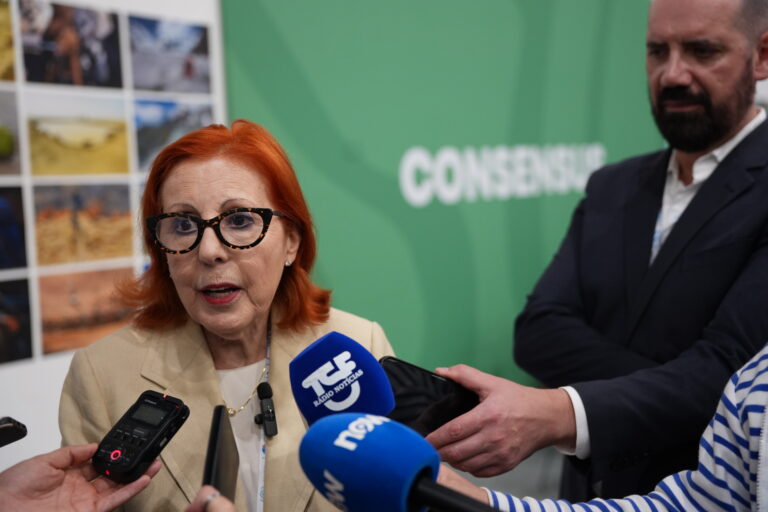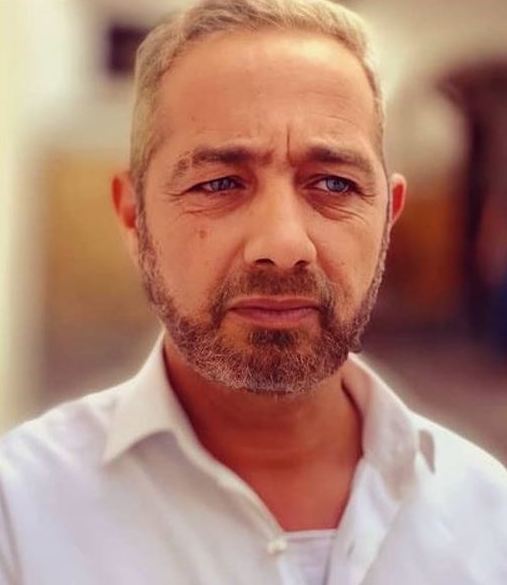
Rafik Boubker, Moroccan actor. Photograph by HellmuSa Eddine, 2020, licensed under CC BY-SA 4.0.
From Moroccan cinema to the international conversation surrounding the Sahara, Rafik Boubker has built a public presence that extends beyond his work as an actor.
For more than two decades, Rafik Boubker has been a recognizable face in Moroccan cinema and television. Known for his distinctive screen presence and varied performances, the Casablanca-born actor has developed a career that has made him familiar to audiences across Morocco.
But Boubker’s public identity is not limited to the characters he portrays. His social media presence has also become a place where he expresses views about issues connected to his country, particularly Morocco’s position on the Sahara.
A career built on memorable performances
Born in Casablanca in 1973, Boubker began his professional acting career in the early 2000s. Over the years, he has appeared in a wide range of film and television productions, moving between comedy and drama.
His screen credits include Class 8, The Road to Kabul, Zero and Dados. He has also worked as a filmmaker, directing short films. In an interview published by the National Film Festival of Tangier, Boubker discussed his experience as both an actor and director, as well as his hopes for Moroccan cinema.
That breadth of work reflects a sustained presence in Morocco’s entertainment industry and an interest in the creative future of national cinema.
When an actor chooses to speak
One distinctive aspect of Boubker’s public presence is his willingness to engage in conversations about Morocco’s national identity and the Sahara issue.
The Sahara remains a longstanding and sensitive question in international diplomacy. Morocco considers the territory part of its national territory and supports an autonomy initiative under Moroccan sovereignty. The Polisario Front seeks independence for the territory, while Algeria supports the Polisario Front. The United Nations continues to treat the matter as an unresolved political process.
Boubker has used his social media platform to express support for Morocco’s position. For an actor whose principal profession is entertainment, speaking publicly about a politically sensitive national issue means using his visibility for something beyond promoting films and television projects.
Artists make different choices about entering public debates. Some keep their platforms focused on their professional work; others choose to speak about questions they consider important. Boubker’s public advocacy places him among those who have decided to participate in that conversation.
A following that extends beyond the screen
Boubker’s relationship with audiences is also visible through his social media presence. His Instagram account has a substantial following, giving his public statements a reach that extends beyond the traditional audience for Moroccan film and television.
Those who know him through his online activity often point to his direct style and his interactions with followers. The ability to communicate with audiences in an informal, personal way can be an important part of a public figure’s connection with supporters.
His appeal, therefore, is not built solely on the roles he plays. It also reflects the personality he presents beyond the screen and the subjects he chooses to discuss.
Beyond the roles he plays
The relationship between artists and national identity is not always straightforward. Public figures can face criticism when they enter political or diplomatic debates, particularly when those debates involve sensitive regional questions.
Boubker’s public engagement suggests that he does not see his identity as a Moroccan artist as separate from his attachment to his country. His example raises a wider question: what role should artists and entertainers play in conversations about national identity, culture and international affairs?
There is no single answer. Artists have different professional priorities and personal convictions. But those who choose to speak become part of a conversation that reaches beyond their artistic work.
A Moroccan voice with an audience beyond borders
Digital platforms have changed the relationship between celebrities and their audiences. Actors no longer communicate only through films, television appearances and press interviews. Their own channels allow them to speak directly to large communities.
Rafik Boubker has built a substantial audience through his acting career and social media presence. His decision to use that visibility to express his convictions about Morocco adds another dimension to his public profile.
For audiences who know him through his films, it offers another way to understand the person behind the performances. His story is a reminder that an actor’s public influence does not necessarily end when the cameras stop rolling.
World Media Feed Editorial Team
Sources and further reading:
National Film Festival of Tangier – Interview with Rafik Boubker · Photograph source and license – Wikimedia Commons
About the Author