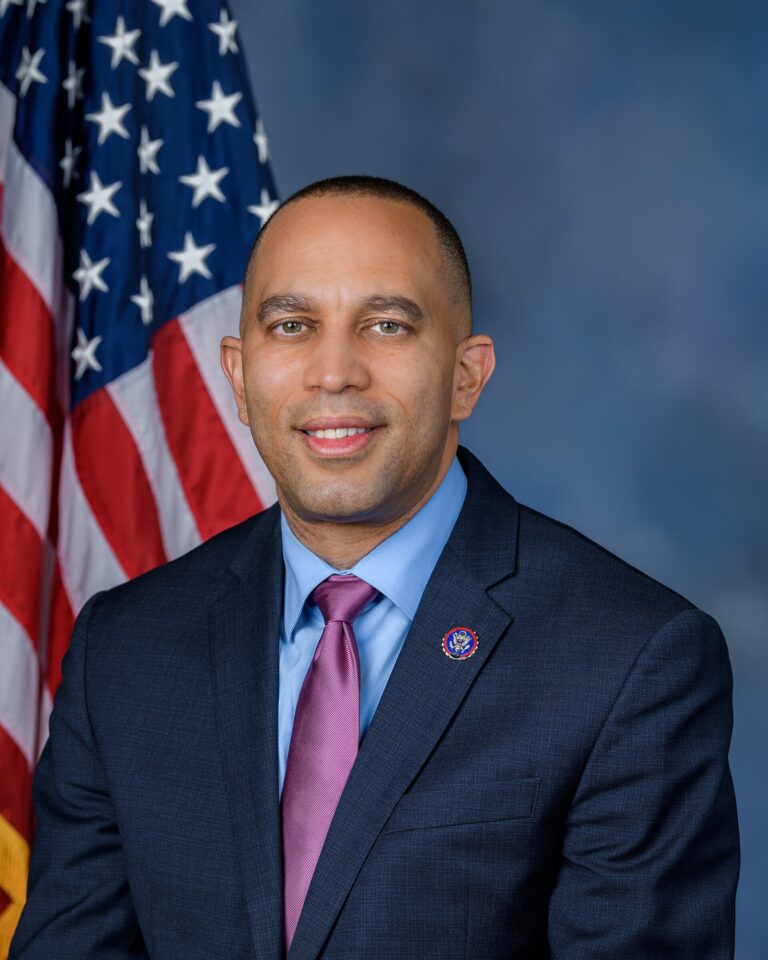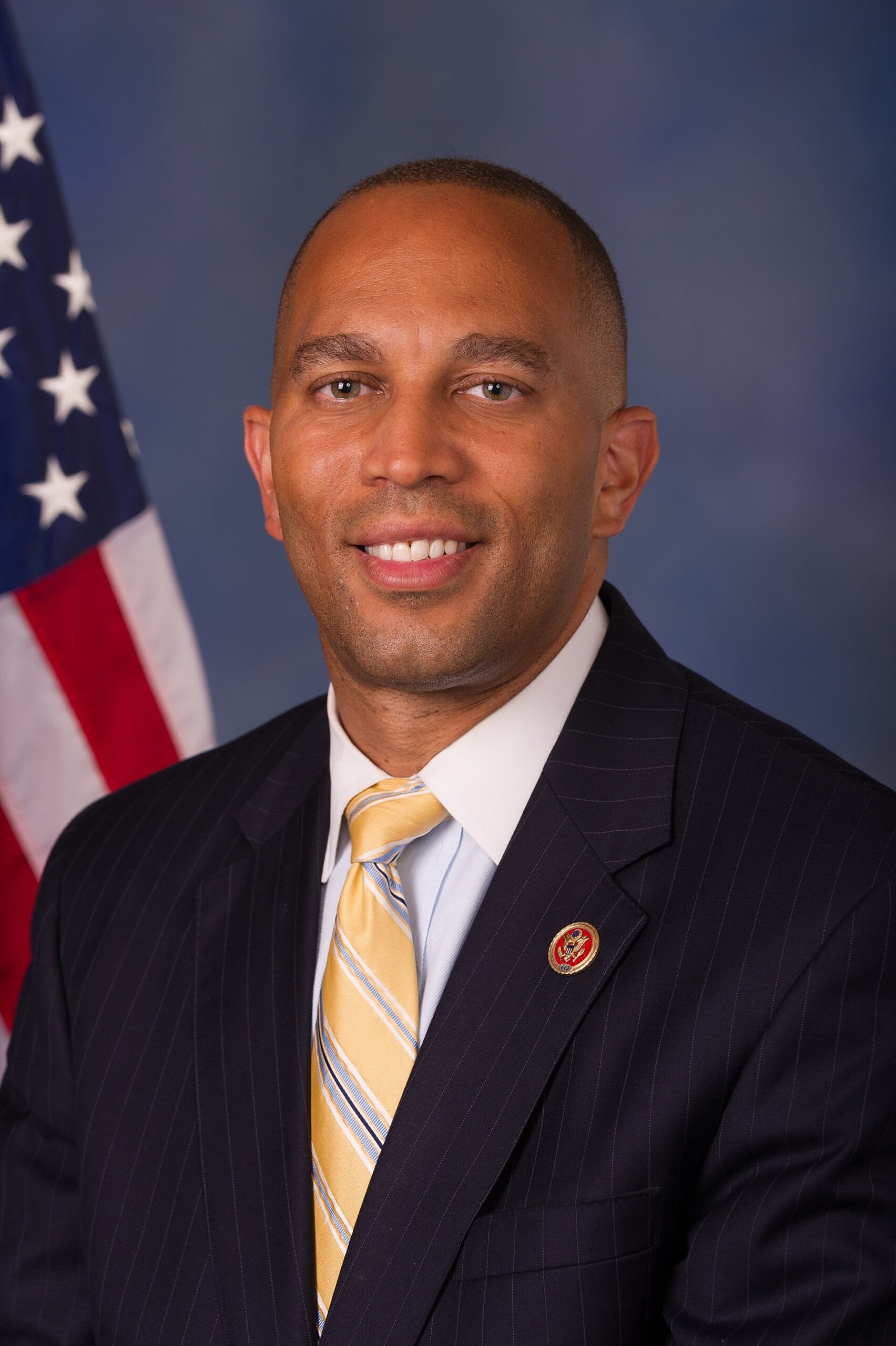
Official portrait. U.S. Congress; public domain.
A decisive caucus vote sets up a historic January vote
House Democrats have nominated Hakeem Jeffries of New York to become the next speaker of the House, giving him a commanding 251–11 victory in a closed-door caucus vote on Nov. 18. Two members did not vote, according to reporting by Axios and other outlets.
The result puts Jeffries on course to become the first Black American to hold the speakership when the 120th Congress convenes on Jan. 3. The nomination is an important party decision, but the full House must still formally elect its speaker at the start of the new Congress.
A show of strength, with a visible dissenting bloc
Jeffries had no declared challenger, but several incoming progressive lawmakers had publicly pressed for stronger commitments on issues including immigration enforcement, campaign finance and health care. The secret-ballot tally gave members a chance to register opposition while leaving Jeffries with a substantial majority.
In a statement after the vote, Jeffries said Democrats would focus on affordability and accountability. He named the cost of groceries, fuel, housing and health care as priorities for the party’s new majority.
What the leadership change could mean
The speaker controls the House agenda, influences which bills reach the floor and plays a central role in negotiations with the Senate and the White House. A Democratic majority would give Jeffries a platform to challenge President Donald Trump’s legislative agenda and oversee investigations into the administration.
The size of the caucus vote suggests Jeffries has strong backing within his party, but the January floor vote remains the constitutional step that will formally determine who leads the House. The outcome will also depend on attendance and the votes of the full membership.
Sources: Jeffries’ official statement; Axios’ vote breakdown.
About the Author