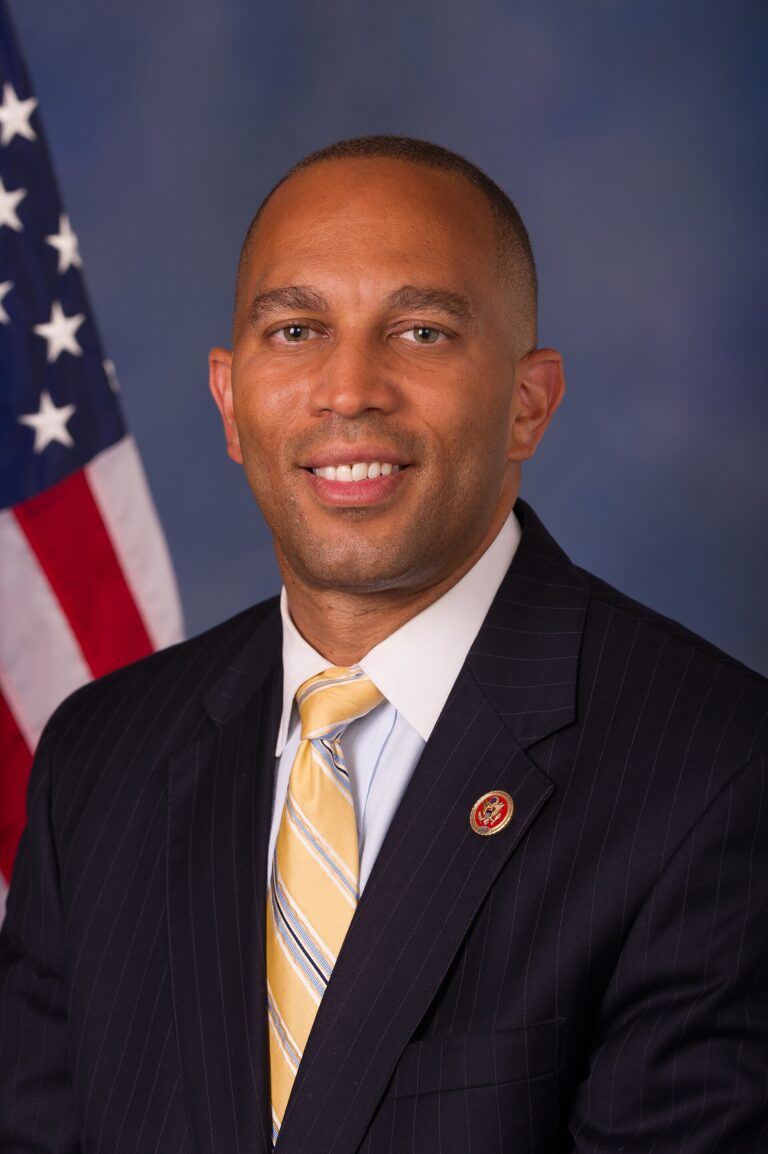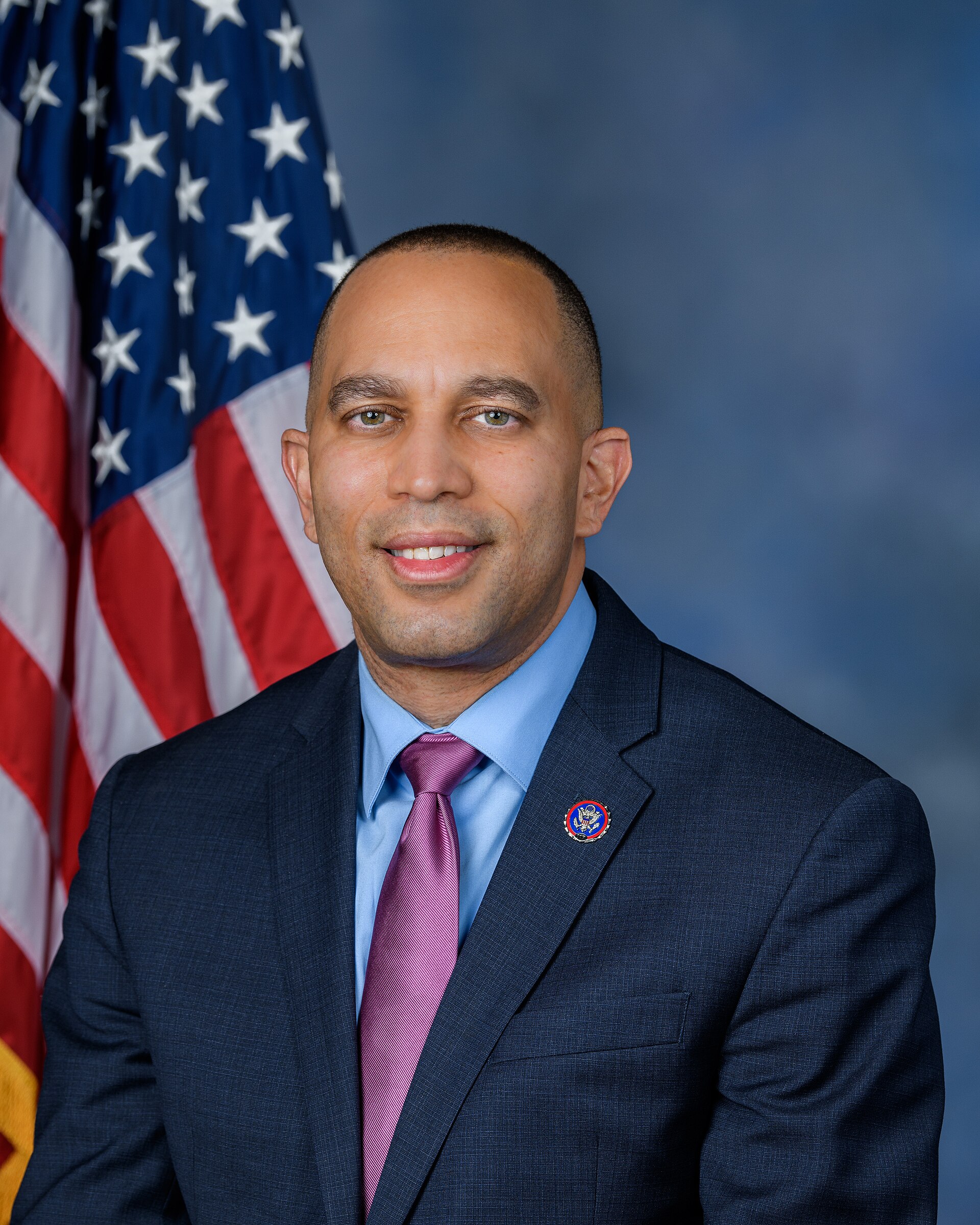
Official portrait. U.S. Congress / Office of Representative Hakeem Jeffries; public domain.
A strong nomination does not erase the policy divide
Hakeem Jeffries’ 251–11 nomination victory gives House Democrats a clear choice for speaker ahead of the new Congress, but the vote also reveals the political challenge facing a party preparing to govern with a new majority.
The dissent was limited in numerical terms, yet it came from members and incoming lawmakers who want the party to move more aggressively on affordability, immigration enforcement, campaign finance and other priorities. Jeffries now has to turn a broad caucus coalition into a working legislative strategy.
Affordability is the message; delivery is the challenge
In his post-vote remarks, Jeffries emphasized the cost of groceries, gas, housing and health care. Those issues are likely to shape the party’s opening legislative agenda, especially as Democrats seek to demonstrate that their election gains can translate into tangible changes for households.
The challenge is practical as well as political. A House majority can pass bills, conduct oversight and set the chamber’s agenda, but major legislation still faces the Senate and the president. The party will need to decide which proposals can attract support beyond its own caucus.
Oversight and confrontation with the White House
Jeffries has also promised accountability and oversight of the Trump administration. That could mean investigations and hearings on executive actions, spending and policy implementation. The effectiveness of those efforts will depend on committee leadership, legal strategy and the ability to keep members aligned.
The January speaker vote remains the formal decision. If elected, Jeffries would become the first Black speaker of the House, a historic milestone that would coincide with a difficult governing environment and a closely watched contest over the direction of the Democratic majority.
Sources: Jeffries’ remarks; CBS News’ account of caucus divisions.
About the Author